In the structured yet remarkably complex world of a beehive, roles are not simply assigned—they are shaped through a combination of biology, environment, and subtle chemical signals. Among these roles, the queen bee stands as one of nature’s most intriguing examples of developmental specialization.
For many years, it has been widely understood that royal jelly plays a central role in determining whether a bee larva becomes a queen or a worker. However, recent scientific perspectives suggest that the process may be more complex than diet alone.
Researchers studying honeybee development have found that genetic expression and epigenetic factors also contribute significantly to queen formation. These mechanisms influence how certain genes are activated or suppressed during early development.
Royal jelly remains an important factor, but it interacts with broader biological systems within the hive. Hormonal regulation and environmental cues also appear to shape developmental outcomes in ways that are still being explored.
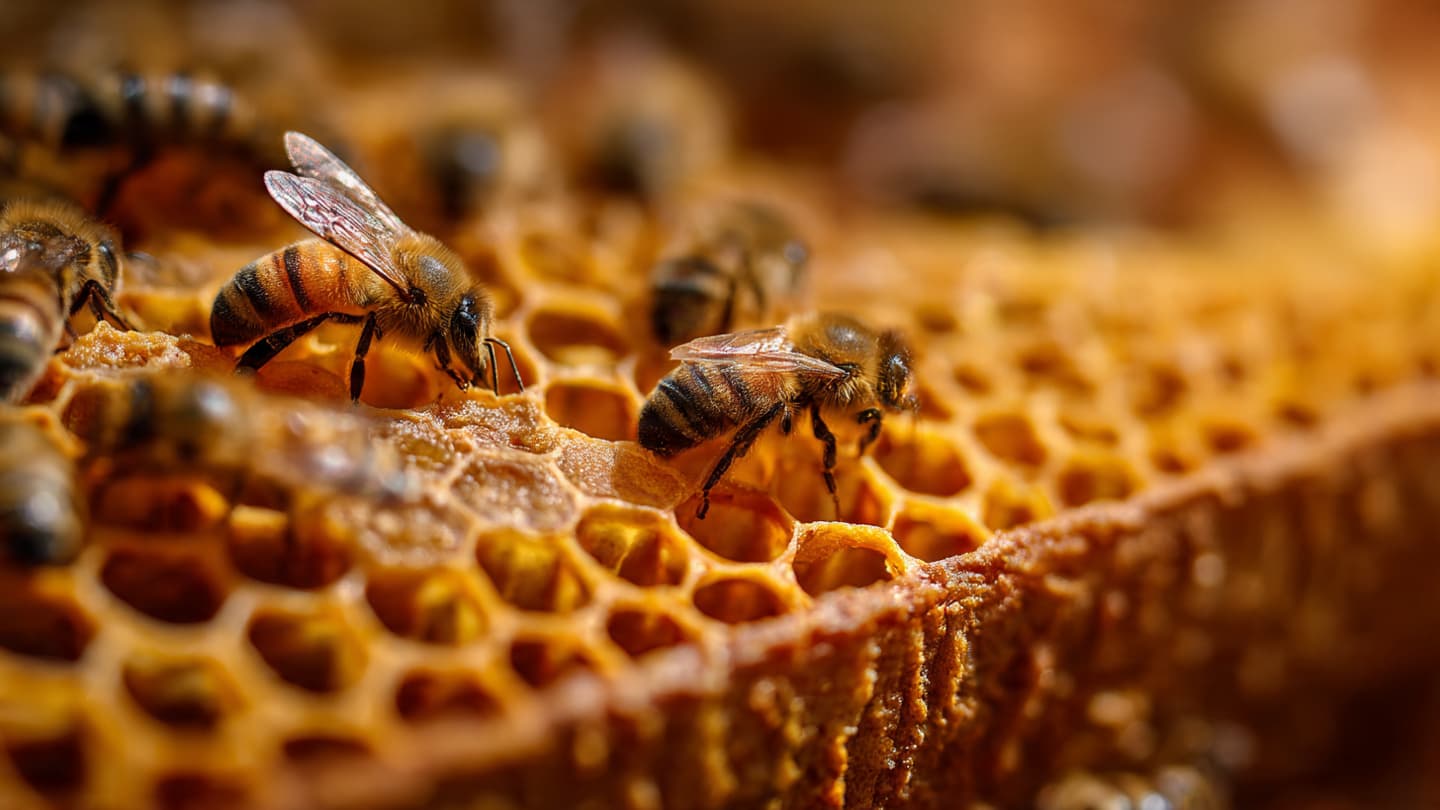
The structure of a hive itself creates a highly organized system where temperature, nutrition distribution, and social behavior all contribute to colony function. Within this system, the emergence of a queen is part of a tightly coordinated biological process.
Scientific studies in entomology continue to explore how caste differentiation in bees can offer insights into gene regulation and developmental biology. These findings have implications beyond apiculture, extending into broader biological research.
Understanding queen development also helps researchers better appreciate the resilience and adaptability of bee colonies, which play a critical role in pollination and global ecosystems.
As research continues, scientists aim to further clarify how multiple biological layers work together to shape one of nature’s most structured societies.
AI Image Disclaimer: Images used in this article are AI-generated for educational and illustrative purposes.
Source Verification Check: Nature, Science Journal, Smithsonian Magazine, National Geographic, BBC Earth
Published by Banx Network. This article is part of the Banx decentralized media programme, powered by the BXE token on the XRP Ledger.