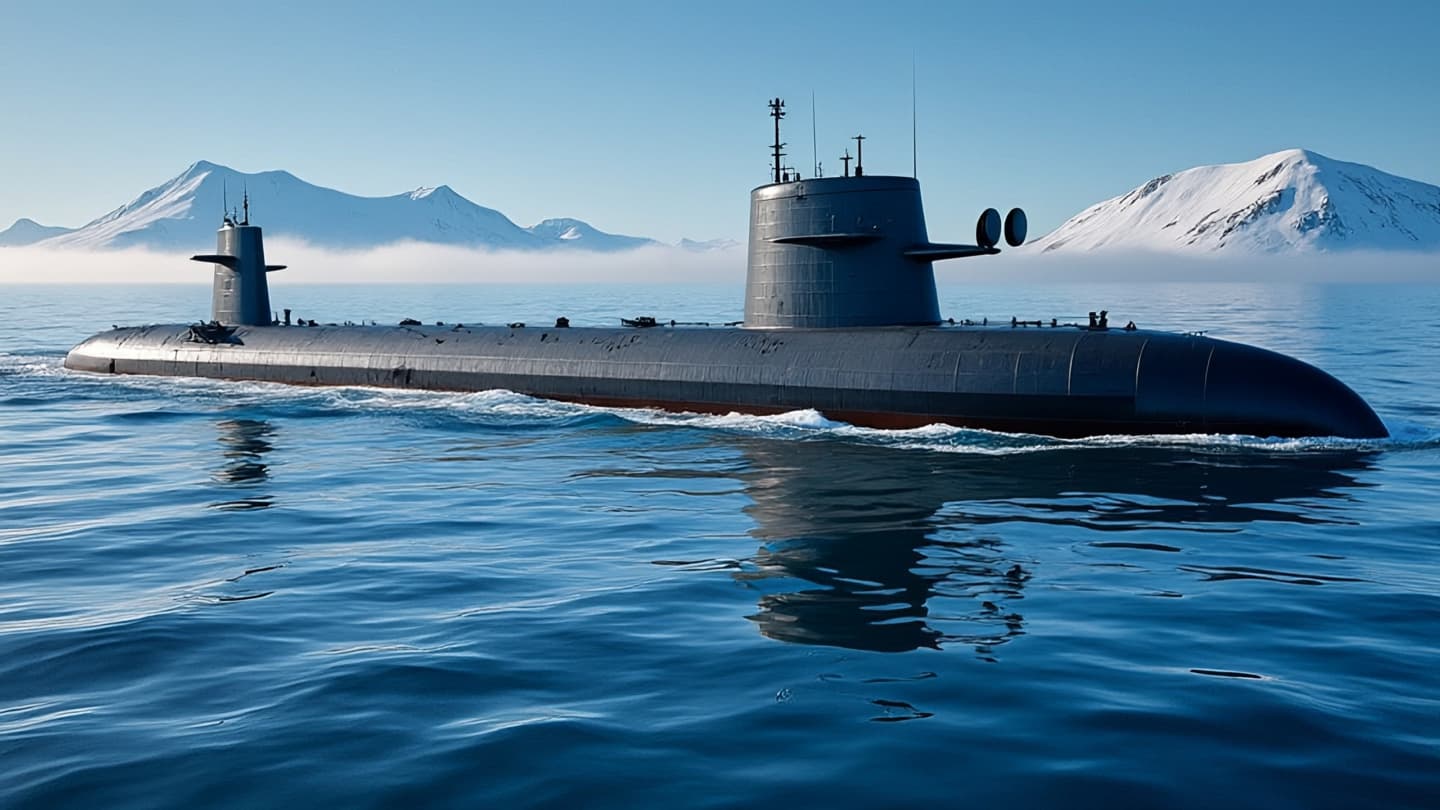
Across the vast stretches of the Atlantic, Pacific, and Arctic, naval capability is measured not only by the number of vessels a country possesses, but also by its ability to adapt to changing security environments. Decisions about military modernization often reflect decades of planning, balancing operational needs with long-term strategic partnerships.
Canada has announced its intention to select Thyssenkrupp Marine Systems as the preferred builder for up to 12 Type 212CD diesel-electric submarines, marking what Prime Minister Mark Carney described as the largest defense procurement in Canadian history. The move comes as Canada seeks to modernize its aging submarine fleet while strengthening defense cooperation with European allies.
The new submarines are expected to replace Canada's four aging Victoria-class boats, which have served the Royal Canadian Navy for decades. Officials said the procurement remains subject to detailed negotiations, but the selection signals Ottawa's commitment to expanding its maritime capabilities, particularly in the North Atlantic and Arctic regions.
The Type 212CD design, jointly developed by Germany and Norway, incorporates low-observable features, air-independent propulsion technology, and extended underwater endurance. These characteristics are intended to improve stealth, operational flexibility, and interoperability with other NATO navies already operating similar platforms.
Canadian officials noted that the competition was closely contested, with South Korean shipbuilder Hanwha Ocean also submitting a strong proposal. Following technical and strategic evaluations, the German-led bid was selected as the preferred option, after which formal contract negotiations are expected to begin.
The announcement arrives shortly before a NATO summit where allied nations are expected to discuss higher defense spending and collective security priorities. Analysts say the submarine decision also reflects Canada's broader effort to deepen industrial and strategic cooperation with European partners amid evolving geopolitical conditions.
Defense specialists note that submarine acquisitions represent long-term national investments extending over several decades. Beyond the vessels themselves, such programs involve crew training, maintenance infrastructure, supply chains, and future technology upgrades that shape naval capability well into the middle of the century.
Industry observers also point out that the project is expected to generate economic activity through industrial partnerships and support services. However, final costs and production schedules will become clearer only after negotiations between the Canadian government and TKMS are completed.
Closing Canada's selection of the Type 212CD submarine represents a significant milestone in the country's naval modernization strategy. While negotiations remain ongoing, the planned fleet renewal underscores Ottawa's intention to strengthen maritime defense capabilities and deepen cooperation with NATO partners in the years ahead.
AI Image Disclaimer: The images accompanying this article are AI-generated illustrations created for editorial purposes and do not depict actual procurement activities.
Sources (Source Verification Check) Reuters Associated Press (AP) Financial Times The Globe and Mail Breaking Defense
Published by Banx Network. This article is part of the Banx decentralized media programme, powered by the BXE token on the XRP Ledger.