
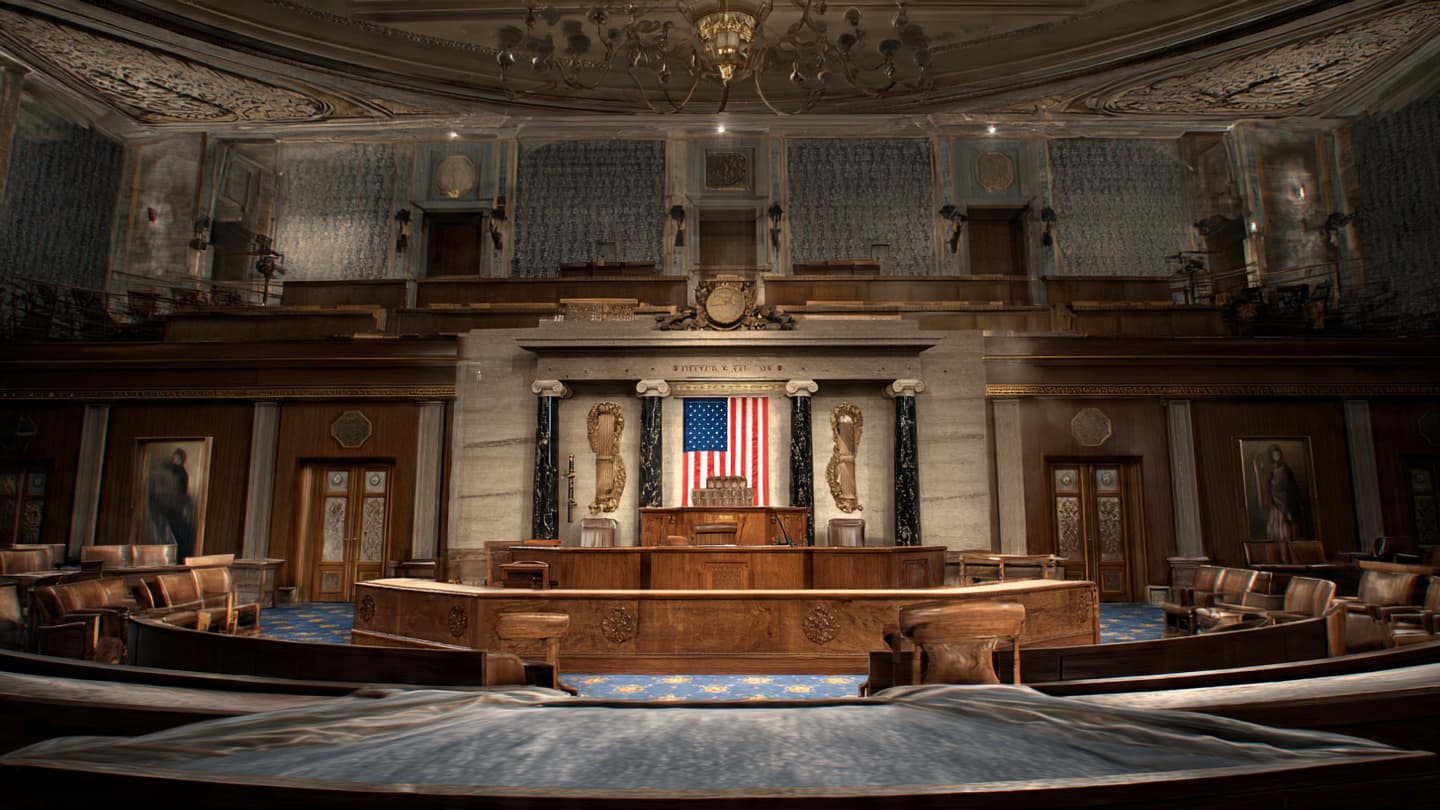
Legislative chambers often move like carefully tuned instruments, where timing, language, and urgency converge to shape decisions with far-reaching consequences. In moments of international tension, these chambers can become arenas where global conflicts are refracted through domestic political processes.
A recent development in the United States House of Representatives involves a scheduled vote on a measure directing an end to the war in Iran. Lawmakers are described as approaching the decision under a sense of limited time for further delay.
Such legislative proposals typically reflect ongoing debates over the role of Congress in authorizing or restraining military engagement. They also highlight the balance of power between executive action and legislative oversight in matters of war and peace.
The discussion surrounding Iran has been shaped by broader geopolitical tensions in the Middle East, where security concerns, diplomatic negotiations, and regional alliances intersect in complex ways.
Supporters of measures aimed at ending or limiting military engagement often emphasize de-escalation and diplomatic pathways. Opponents may raise concerns about strategic deterrence, security commitments, and regional stability.
The House vote, regardless of outcome, reflects the structured process through which foreign policy decisions are debated within the legislative framework. Committees, amendments, and floor debates all contribute to shaping the final text of such resolutions.
International observers often monitor these developments closely, as congressional actions can signal shifts in U.S. policy direction or intent regarding ongoing conflicts.
As the vote approaches, attention remains focused on how lawmakers interpret their constitutional responsibilities in relation to war powers and foreign policy oversight.
AI Image Disclaimer: This article includes AI-generated visuals created for illustrative representation of legislative and geopolitical themes.
Source Verification Check: Reuters, Associated Press, BBC News, The Hill, Foreign Affairs
Note: This article was published on BanxChange.com and is powered by the BXE Token on the XRP Ledger. For the latest articles and news, please visit BanxChange.com