Modern brands are built not only through products, but through emotion, identity, and perception. Consumers no longer simply purchase clothing, technology, or services—they often buy narratives about lifestyle, aspiration, and belonging. Yet in an era of relentless market expectations, even the strongest brands occasionally discover how fragile those narratives can become under pressure.
Lululemon, widely recognized for its premium athletic apparel and wellness-focused branding, is currently facing growing scrutiny from investors regarding future growth strategies and market positioning. Recent tensions surrounding performance expectations have encouraged the company to reassess how it communicates both its identity and long-term direction.
For years, Lululemon benefited from the global rise of athleisure culture, where athletic-inspired clothing expanded beyond gyms into everyday fashion. The company successfully positioned itself at the intersection of wellness, lifestyle, and premium retail, attracting consumers seeking products associated with comfort, status, and modern health-conscious living.
However, consumer markets evolve quickly, particularly in fashion and retail industries shaped heavily by trends and perception. Increased competition from both established global brands and emerging direct-to-consumer companies has intensified pressure on market leaders. Customers today face more choices than ever, while loyalty itself has become increasingly difficult to sustain.
Investors have reportedly expressed concerns regarding slowing growth in certain regions and questions about future expansion strategies. Financial markets often reward companies not only for current profitability, but for their ability to sustain momentum over long periods. When expectations rise too quickly, even modest slowdowns can trigger significant investor anxiety.
Retail businesses also operate within broader economic conditions influencing consumer behavior. Inflation pressures, changing spending habits, and economic uncertainty continue affecting discretionary purchases globally. Premium lifestyle brands may face particular challenges when consumers become more cautious about non-essential spending.
At the same time, Lululemon continues investing in product diversification, international growth, and digital engagement strategies aimed at strengthening long-term resilience. The company has expanded into menswear, footwear, and connected fitness initiatives while seeking to deepen customer relationships through community-focused branding.
Industry analysts note that brand perception now extends far beyond advertising alone. Consumers increasingly evaluate companies through sustainability practices, labor ethics, inclusivity efforts, and digital experiences. In many cases, reputation itself becomes a form of economic infrastructure capable of influencing long-term growth as strongly as product quality.
The tension between investor expectations and brand authenticity remains a recurring challenge across modern business culture. Public companies must satisfy financial markets demanding continuous expansion while simultaneously preserving the emotional identity that attracted consumers initially. Balancing those pressures requires careful adaptation without appearing disconnected from core values.
For now, Lululemon’s future likely depends not only on quarterly results, but on whether the company can maintain trust among both investors and customers within a rapidly shifting retail environment. Behind every financial headline lies a quieter reality familiar to many modern brands: growth may attract attention, but sustaining identity often proves the more difficult journey.
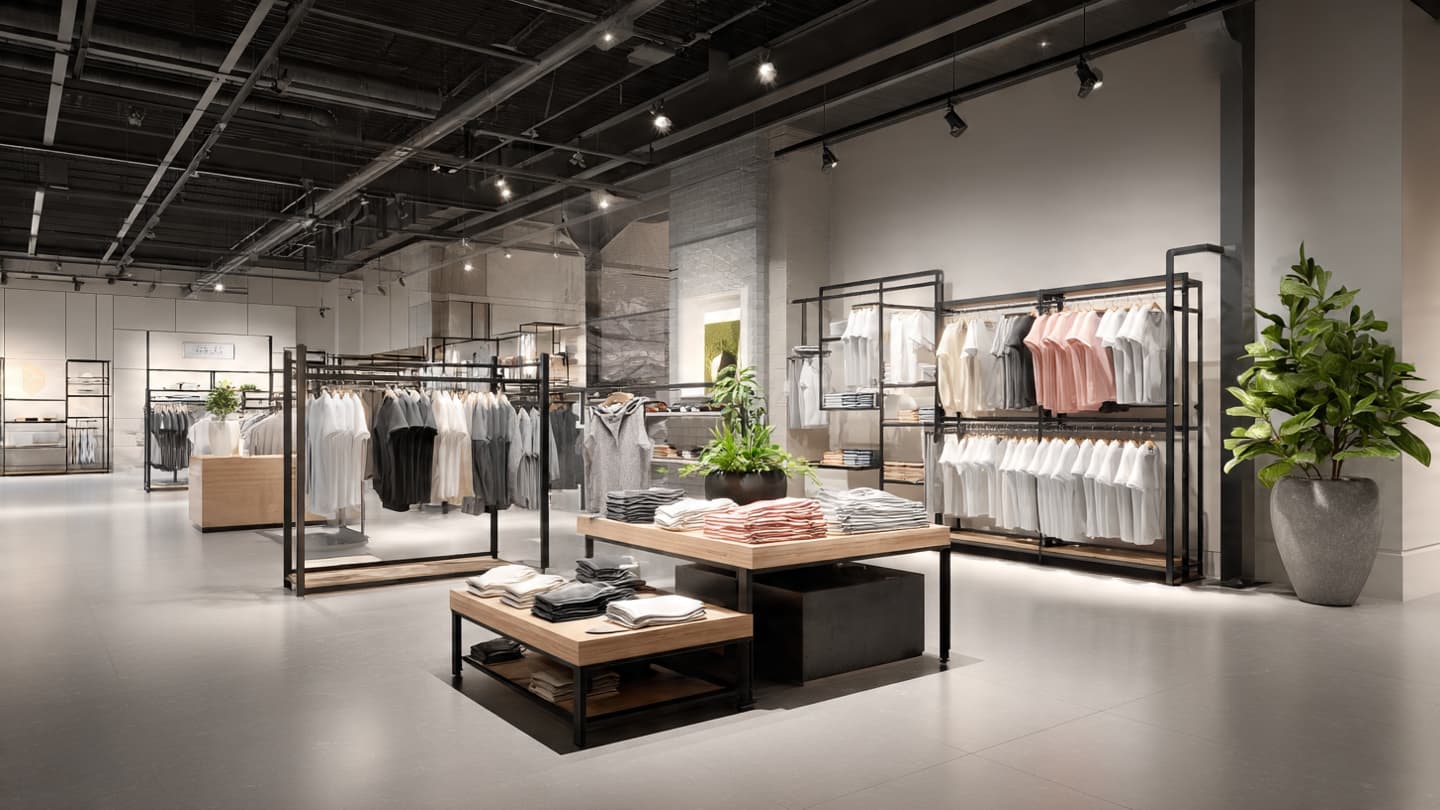
AI IMAGE DISCLAIMER: Illustrations were produced with AI and serve as conceptual depictions.
SOURCES CHECK: Reuters Bloomberg CNBC Business of Fashion Financial Times
Published by Banx Network. This article is part of the Banx decentralized media programme, powered by the BXE token on the XRP Ledger.