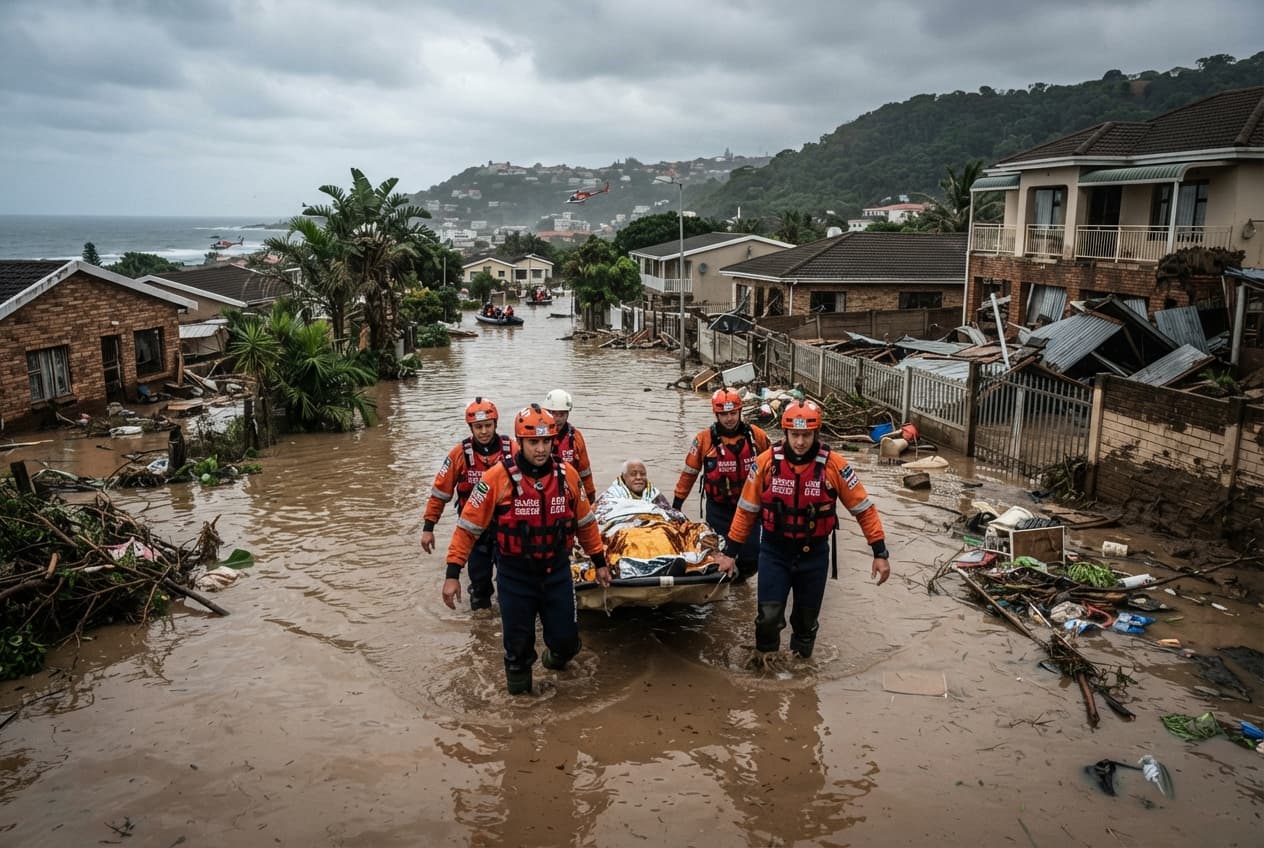
Durban, South Africa—Emergency services confirmed a grim casualty count as relentless downpours battered the eastern seaboard. At least thirty-two people lost their lives across KwaZulu-Natal after torrential rain triggered sudden mudslides and severe structural collapses. Swollen rivers breached their banks, sweeping away homes in vulnerable townships and rural settlements alike.
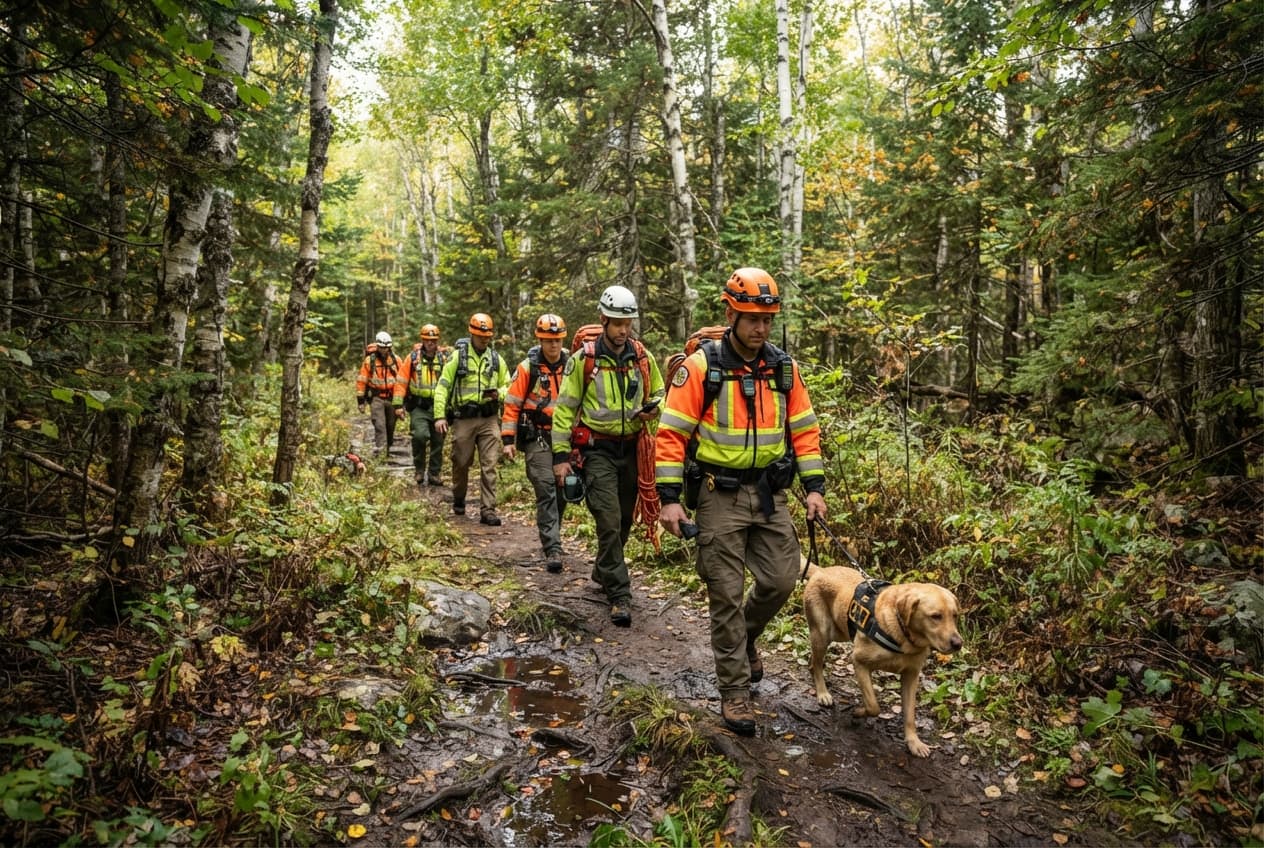
Rescue teams navigated treacherous road networks choked with debris and mud to reach isolated communities. Provincial disaster management centers received hundreds of distress calls as water levels rose past dangerous thresholds overnight. Landslides tore through hillsides, burying residential structures under tons of mud and rock before occupants could evacuate.
Hospitals and clinics in affected districts reported an influx of patients suffering from storm-related trauma and exposure. Power grids failed across multiple municipalities, plunging neighborhoods into darkness and hampering communication lines. Utility crews struggled to access damaged substations blocked by fallen trees and washed-out bridges.
Transport corridors experienced severe disruptions as major routes suffered catastrophic erosion. Commuter rail services ground to a halt while engineering teams assessed tracks undermined by rushing water. Motorists abandoned stranded vehicles along flooded highways as water pooled rapidly in low-lying intersections.
Provincial authorities activated high-level emergency response protocols, deploying specialized water wing units and aerial support. Relief shelters opened in community halls to house displaced families left with only the clothes on their backs. Civil protection agencies warned residents in high-risk zones to move to higher ground immediately as saturated soils remained unstable.
Meteorologists noted that the destructive weather system developed from a combination of cold fronts and upper-air troughs. The resulting deluge dropped months of average rainfall within a compressed forty-eight-hour window across saturated catchments. Infrastructure resilience face renewed scrutiny as recurrent extreme weather events expose systemic vulnerabilities.
Communities in informal settlements bore the brunt of the destruction, suffering catastrophic property losses from sliding mudbanks. Local leaders called for accelerated relocation programs to move residents away from dangerous floodplains and steep slopes.
Rainfall intensity began to ease by late afternoon, allowing search teams to expand their reach into cut-off rural valleys.
Note: This article was published on BanxChange.com and is powered by the BXE Token on the XRP Ledger. For the latest articles and news, please visit BanxChange.com