
A weaker-than-expected jobs report is set to re-energize discussion at the U.S. Federal Reserve about the true condition of the labor market.
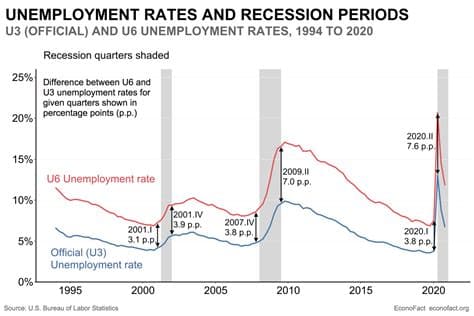
In June, employers added only about 57,000 jobs, and prior months’ job-growth estimates were revised downward. Even so, the unemployment rate edged down to 4.2% from 4.3%, and the number of people counted as unemployed fell by roughly 213,000.
But the household survey data showed a troubling offset: the number of people reporting they had jobs dropped by around half a million, and the labor force fell by about 700,000. The decline in unemployment, in other words, appears to reflect an “exodus” of people leaving the labor force rather than a surge in hiring—an outcome that can signal less confidence in job opportunities and complicate the Fed’s reading of how much slack or weakness exists in the economy.
Analysts and Fed officials have suggested that these “good news for the wrong reasons” dynamics are harder to interpret. Unemployment falling can imply a tighter job market, but a simultaneous labor force contraction can point to discouraged or constrained workers stepping away from job search—potentially weakening growth prospects.
The data also raises questions for policymakers about how to balance competing risks, including inflation persistence versus slower economic growth. San Francisco Fed President Mary Daly, speaking ahead of the report, said there are scenarios in which growth fails to sustain itself or investment slows because gains have not yet translated into broader confidence.
Fed policymakers have recently been debating whether rate moves should prioritize inflation risks or be guided by signs that labor conditions may be improving. Optimism had increased after spring job growth rebounded enough for some officials to consider rate cuts; this report, however, could push the debate back toward concerns about sluggish momentum and an employment picture that is not re-accelerating.
The article also notes that future reporting could change the picture. June is typically subject to large revisions, and if subsequent estimates revise job creation lower, the debate could become more urgent.
Finally, broader labor supply questions—such as the impact of immigration policy and an aging workforce—loom in the background. If the number of available workers keeps shrinking, policymakers may face a “curious” balance similar to one described in prior Fed discussions: unemployment can look stable even while the economy effectively loses workers, leaving uncertainty about what that means for both inflation dynamics and overall potential growth.
Note: This article was published on BanxChange.com and is powered by the BXE Token on the XRP Ledger. For the latest articles and news, please visit BanxChange.com