
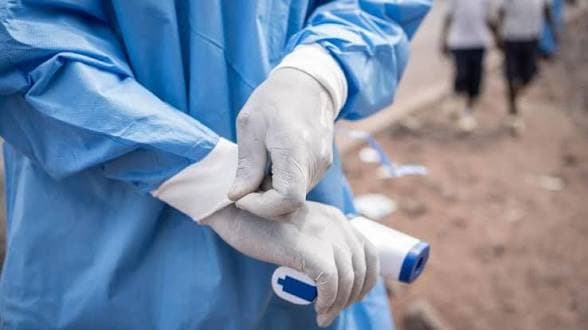
A proposed U.S.-run Ebola quarantine facility in Kenya is facing fierce backlash from the public and health officials, who warn that such a plan could compromise national health security amid an ongoing outbreak in the Democratic Republic of Congo. The quarantine center, intended to treat Americans potentially exposed to the virus, would be located at the Laikipia Air Base, approximately 125 miles north of Nairobi.
Kenya has not recorded any cases of Ebola, leading many to question the rationale behind establishing a facility designed for American citizens. Protesters have voiced fears that the project may inadvertently invite virus transmission into the country. "We don’t have another country to run to," stated one demonstrator, reflecting widespread anxiety regarding the implications of hosting a facility for infectious diseases.
On June 2, 2026, a Kenyan court issued a temporary ban on the establishment of the center following legal challenges from rights groups like the Katiba Institute. These organizations argue that the facility poses "grave and imminent risks" without adequate public health infrastructure in place to handle potential outbreaks.
President William Ruto defended the facility, asserting that it is part of a broader national preparedness strategy and a product of a long-standing partnership with the U.S. Despite his assurances, the backlash has led to public protests, including violent confrontations that resulted in deaths.
Calls from medical unions in Kenya, such as the Kenya Medical Practitioners, Pharmacists and Dentists Union, have emphasized the need for transparency and local involvement in such high-stakes health agreements. The union's leadership questions why Kenya was chosen for such a facility when it has maintained its Ebola-free status.
Meanwhile, U.S. Secretary of State Marco Rubio has remarked that the quarantine unit could help ensure Americans receive the necessary care without delay. However, he and other officials face growing concerns regarding the clinical and ethical implications of treating exposed individuals abroad.
As the situation develops, fears about the potential impact on Kenya’s healthcare system and public health infrastructure remain at the forefront of discussions surrounding the proposed U.S. initiative. This debate underscores the ongoing complexities of global health partnerships and the need for careful negotiation that respects national sovereignty while addressing critical health concerns.
Note: This article was published on BanxChange.com and is powered by the BXE Token on the XRP Ledger. For the latest articles and news, please visit BanxChange.com