
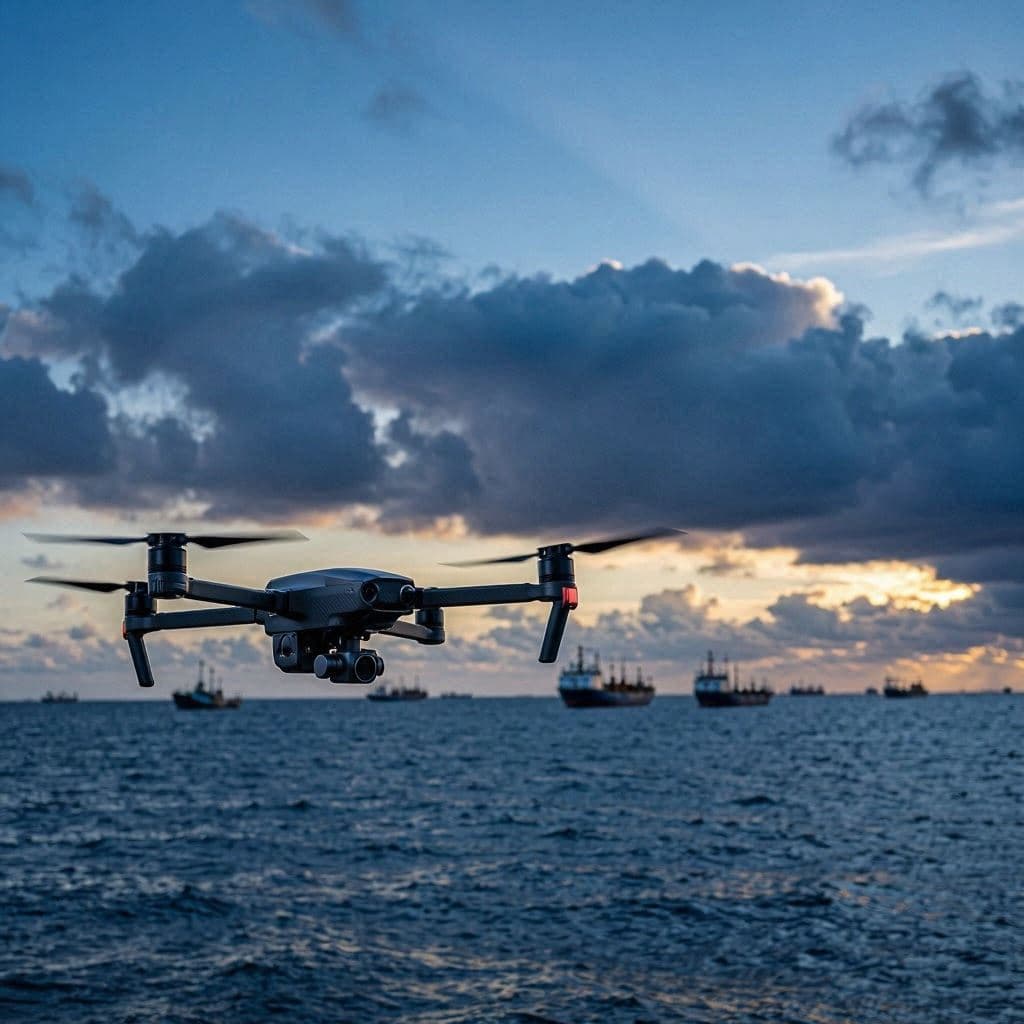
The Black Sea, a historic crossroads of trade and culture, has once again become a theater of conflict. Recent reports indicate that Ukrainian forces have successfully targeted Russian shipping assets in the region, causing significant damage. These operations are not merely tactical strikes; they represent a strategic effort to disrupt supply lines and assert control over maritime routes. It invites reflection on the evolving nature of naval warfare, the resilience of smaller nations against larger powers, and the high stakes of controlling critical waterways in times of war.
Body: Ukraine’s use of unmanned aerial and maritime drones has revolutionized its naval capabilities. Despite having a limited conventional navy, Kyiv has managed to inflict substantial losses on the Russian Black Sea Fleet. These asymmetric tactics allow Ukraine to project power far beyond its coastline, challenging the dominance of a traditionally superior force. It is a testament to innovation and adaptability in the face of adversity.
The targeted ships include logistics vessels, landing craft, and even larger warships. By disrupting these assets, Ukraine aims to hinder Russia’s ability to sustain its military operations in southern Ukraine. The Black Sea is a vital artery for supplies, and its closure or insecurity poses a major logistical challenge for Moscow. This strategy effectively turns the sea into a contested zone rather than a Russian lake.
For Russia, the losses are both material and symbolic. The Black Sea Fleet has long been a source of pride and power projection. Its vulnerability exposes weaknesses in defense and surveillance. Responding to these threats requires significant resources, diverting attention from other fronts. The psychological impact on morale and prestige is also considerable. It is a humbling experience for a major military power.
International observers note the broader implications for naval doctrine. The success of cheap, mass-produced drones against expensive traditional vessels is reshaping military thinking worldwide. Navies are reevaluating their defenses and investing in counter-drone technologies. The Black Sea has become a laboratory for modern warfare, offering lessons that will influence future conflicts.
Humanitarian and economic concerns remain paramount. The conflict affects civilian shipping, grain exports, and regional stability. Ensuring the safety of non-combatant vessels and protecting the marine environment are critical issues. International efforts to secure safe passage for grain shipments highlight the global dependence on this region. Peace and stability are essential for worldwide food security.
Diplomatic efforts continue alongside military actions. Negotiations and international pressure aim to de-escalate tensions and find a political solution. However, until a ceasefire is reached, the struggle for control of the Black Sea will persist. It is a complex puzzle with no easy answers. The human cost of this struggle is immeasurable.
As the conflict evolves, both sides will continue to adapt. Ukraine’s ingenuity and determination have proven to be formidable assets. Russia’s response will likely involve increased security measures and retaliatory strikes. The dynamic nature of this war ensures that the situation remains fluid and unpredictable.
Closing: In the end, the targeting of Russian shipping in the Black Sea is a significant development in the ongoing conflict. It highlights the power of asymmetric warfare and the strategic importance of maritime control. As we watch these events unfold, the hope is that a just and lasting peace will eventually restore stability to the region.
AI Image Disclaimer: Visuals accompanying this text are AI-generated conceptualizations intended to depict the themes of modern naval conflict and strategic disruption.
Sources: The Kyiv Independent Reuters BBC News
Note: This article was published on BanxChange.com and is powered by the BXE Token on the XRP Ledger. For the latest articles and news, please visit BanxChange.com