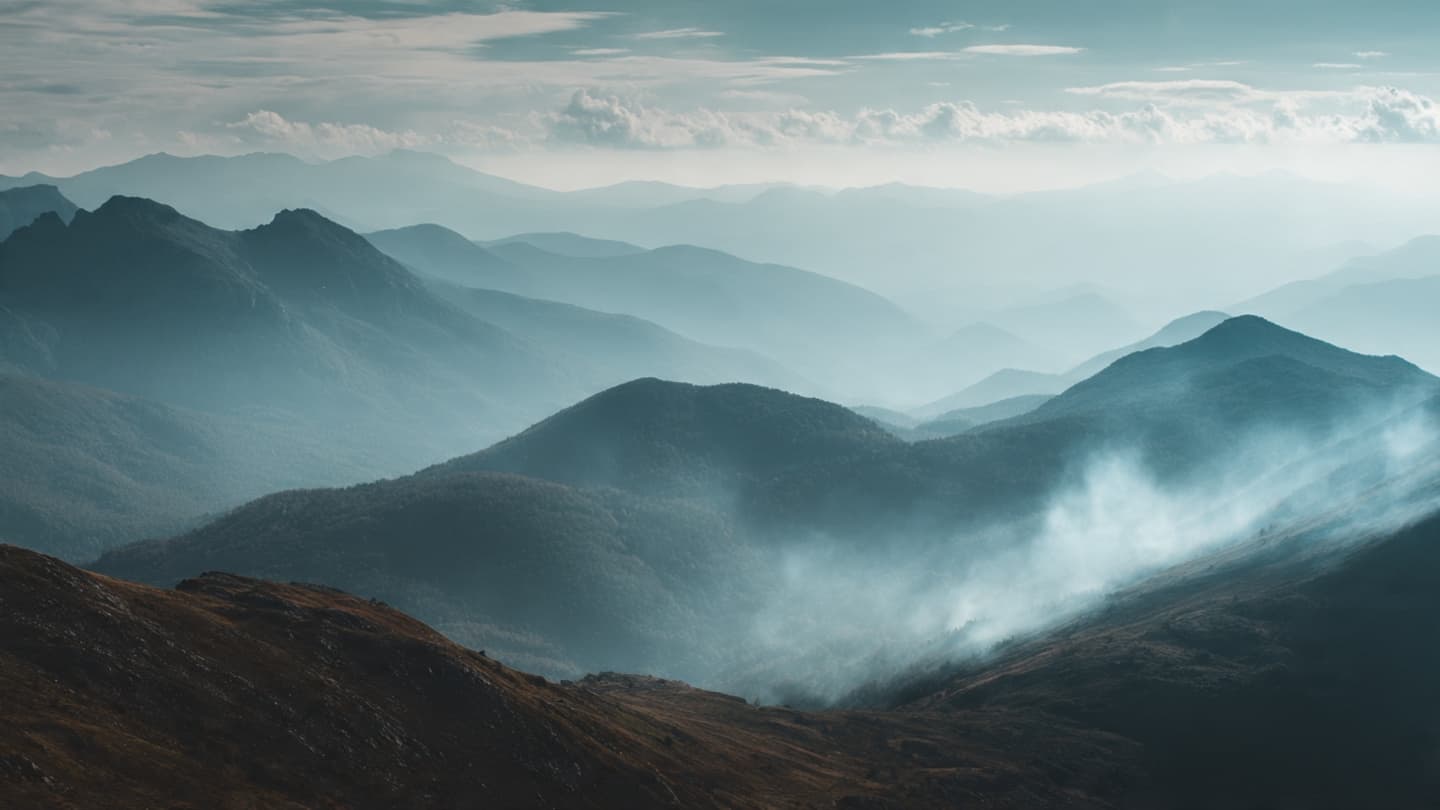
Summer in British Columbia is often defined by its lush greenery and majestic mountains, but in recent years, the season has also been marked by the hazy glow of wildfire smoke. On August 9, the province faced another chapter in this ongoing challenge, with active fires burning across various regions. For residents, the date serves as a marker in a long summer of vigilance, where air quality and evacuation orders become part of daily life. It is a time that invites reflection on the power of nature and the resilience of communities living on the edge of the wild. The smoke, while transient, leaves a lasting impression on the collective memory.
On this specific date, fire management agencies reported several active incidents, ranging from small out-of-control burns to larger complexes threatening infrastructure. Dry conditions and occasional wind gusts contributed to the spread, making containment efforts difficult. Firefighters worked tirelessly, supported by aerial resources and ground crews, to protect homes and forests. Their dedication is a testament to the human spirit’s capacity to confront overwhelming odds with courage and skill.
For those in affected areas, the situation required constant attention. Evacuation alerts were issued for some communities, prompting residents to prepare go-bags and plan escape routes. The uncertainty of not knowing if one’s home will be spared is a heavy burden. Yet, neighbors helped neighbors, sharing information and resources. This solidarity is a defining feature of rural life in B.C., where isolation is balanced by strong community bonds.
Air quality remained a concern for much of the province, with smoke drifting into urban centers like Vancouver and Kelowna. Health officials advised vulnerable populations to stay indoors and use air purifiers. The haze served as a visible reminder of the environmental changes occurring globally. It sparked conversations about climate change, forest management, and the need for sustainable practices. These discussions are crucial for shaping future policies.
Tourism, a vital part of B.C.’s economy, also felt the impact. Some parks and trails were closed, and visitors reconsidered their travel plans. The economic ripple effects highlight the interconnectedness of environmental health and prosperity. Protecting the land is not just an ecological imperative but an economic one. Balancing recreation with preservation is a delicate task that requires ongoing effort.
As the day ended, the fires continued to burn, but so did the hope for rain. Weather forecasts were watched closely, with every cloud offering a promise of relief. The cycle of fire and recovery is a natural part of the ecosystem, but its intensity has changed. Understanding this new normal is key to adapting and thriving in a changing world.
On August 9, British Columbia continued to manage multiple wildfires, impacting air quality and local communities. As firefighters battle the blazes, the focus remains on public safety and environmental stewardship. The hope is for cooler, wetter weather to aid in containment efforts.
AI Image Disclaimer: Visuals associated with this article are AI-generated to illustrate the themes of environmental challenges and emergency response.
Sources: BC Wildfire Service CBC News BC Global News
Note: This article was published on BanxChange.com and is powered by the BXE Token on the XRP Ledger. For the latest articles and news, please visit BanxChange.com