The journey to restore American human spaceflight capability has been marked by both triumphs and delays. Among the most scrutinized projects is Boeing’s CST-100 Starliner, a spacecraft designed to ferry astronauts to the International Space Station. A recent report from the NASA Inspector General suggests that the program is now facing delays that could stretch up to a decade beyond original projections. This assessment casts a long shadow over the commercial crew program, raising questions about accountability and the challenges of developing new space vehicles.
Initially envisioned as a partner to SpaceX’s Crew Dragon, Starliner was meant to provide redundancy and competition in low-Earth orbit transport. However, the project has been plagued by technical issues, including software glitches, parachute failures, and valve leaks. Each setback has required extensive testing and redesign, pushing back certification dates and increasing costs. The cumulative effect has been a timeline that has slipped repeatedly, frustrating stakeholders and observers alike.
The Inspector General’s report highlights the systemic nature of these delays. It points to management challenges, supply chain issues, and the inherent difficulty of meeting stringent safety standards. While Boeing has made progress, the pace has been slower than anticipated. The suggestion of a decade-long delay is a stark reminder that spaceflight is unforgiving of errors, and that rushing to meet deadlines can lead to even longer setbacks in the long run.
For NASA, this situation presents a dilemma. The agency relies on commercial partners to reduce costs and increase access to space. However, over-reliance on a single provider, such as SpaceX, creates vulnerability. The continued struggles of Starliner mean that NASA must balance its support for Boeing with the need for reliable access to the ISS. It is a delicate balancing act that requires patience and strategic planning.
The financial implications are also significant. Cost overruns have burdened Boeing and raised concerns among taxpayers and investors. The commercial crew program was intended to be a cost-effective solution, but delays have eroded some of those savings. This situation invites a reflective pause on the economics of space development and the trade-offs between speed, cost, and safety.
Despite the criticisms, there is hope that Starliner will eventually succeed. The spacecraft has completed several uncrewed test flights, and lessons learned from each mission are being applied to improve reliability. The dedication of the engineering teams involved is evident, and their commitment to safety is paramount. The goal is not just to launch, but to launch safely and sustainably.
Public perception of the program has been mixed. While some view the delays as a failure of private enterprise, others see them as a necessary part of the innovation process. Developing new technology is rarely linear, and setbacks are often precursors to breakthroughs. The story of Starliner is still being written, and its conclusion will influence future public-private partnerships in space.
In the end, the potential decade-long delay is a sobering statistic, but it is not the final word. It serves as a cautionary tale about the complexities of space exploration. As Boeing continues to work toward certification, the focus remains on achieving a safe and reliable vehicle. The journey may be longer than expected, but the destination—a robust and competitive space transportation system—remains worth the effort.
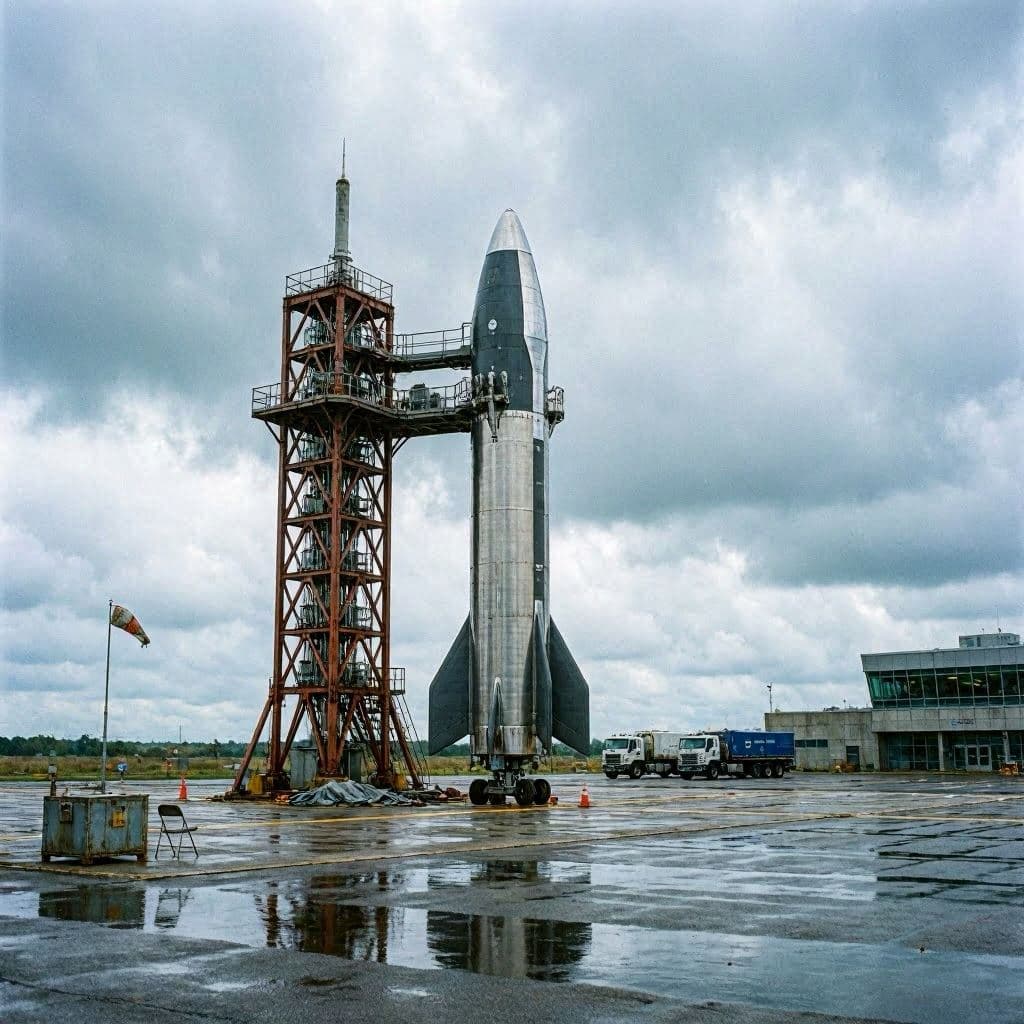
AI Image Disclaimer: The visual aids accompanying this article are created using artificial intelligence and are intended for conceptual illustration only, not as factual depictions of the Starliner spacecraft or internal documents.
Sources: NASA Office of Inspector General SpaceNews The Washington Post Bloomberg CNN
Published by Banx Network. This article is part of the Banx decentralized media programme, powered by the BXE token on the XRP Ledger.