History is often written in broad strokes, but its impact is felt in the intimate details of individual lives. In Perth, an inquiry has heard harrowing testimony from members of the Indigenous community who described feeling abandoned and endangered following an alleged bombing attempt on Australia Day, also known as Invasion Day. The phrase "we should be dead" captures the gravity of their experience, highlighting a perceived failure of protection and acknowledgment. This testimony invites a reflective examination of how society addresses historical grievances and ensures the safety of its most vulnerable citizens.
Body: The incident in question involved an alleged explosive device placed near a gathering site, an act that threatened not just physical safety but the right to protest and mourn. For the Indigenous community, Australia Day is a day of mourning, marking the beginning of colonization and dispossession. The alleged attack was seen not just as a criminal act but as a symbolic assault on their identity and presence. The fear expressed by witnesses underscores the deep-seated anxiety that persists in the face of such hostility.
Testimony given to the inquiry revealed a sense of institutional neglect. Community leaders stated that warnings and concerns raised prior to the event were not adequately addressed by authorities. This perception of being ignored exacerbates the trauma, creating a barrier of distrust between the community and the state. It highlights the importance of listening to marginalized voices and taking their security concerns seriously.
The emotional toll on the community is profound. Many attendees were families with children, seeking to connect with their culture and history in a safe environment. The threat of violence disrupts this sacred space, replacing celebration and reflection with fear and vigilance. It is a reminder that reconciliation requires more than words; it requires actionable safety and respect.
Law enforcement agencies are reviewing their protocols in light of the inquiry’s findings. The goal is to ensure that future events are managed with greater sensitivity and effectiveness. This includes better communication with community organizers and more robust security measures. Acknowledging past shortcomings is the first step toward building a more inclusive and secure public sphere.
The broader context of the debate around Australia Day continues to evolve. For many Australians, it is a day of national pride; for Indigenous Australians, it is a day of pain. Bridging this divide requires empathy and dialogue. Incidents like the alleged bombing attempt highlight the urgency of finding a way forward that honors all perspectives and ensures safety for all participants.
Community resilience remains strong despite the threats. Leaders continue to advocate for change, using platforms like the inquiry to voice their experiences. Their courage in speaking out is a powerful force for accountability and reform. It demonstrates that even in the face of adversity, the demand for justice and recognition persists.
As the inquiry proceeds, its recommendations will likely shape future policies regarding public gatherings and indigenous rights. The hope is that these changes will lead to a society where diversity is protected and respected. It is a long journey, but one that is essential for national healing.
Closing: In the end, the testimony from Perth’s Indigenous community is a call to action. It reminds us that safety and inclusion are fundamental rights. As society reflects on its history, the hope is that it moves toward a future where all citizens feel valued and protected.
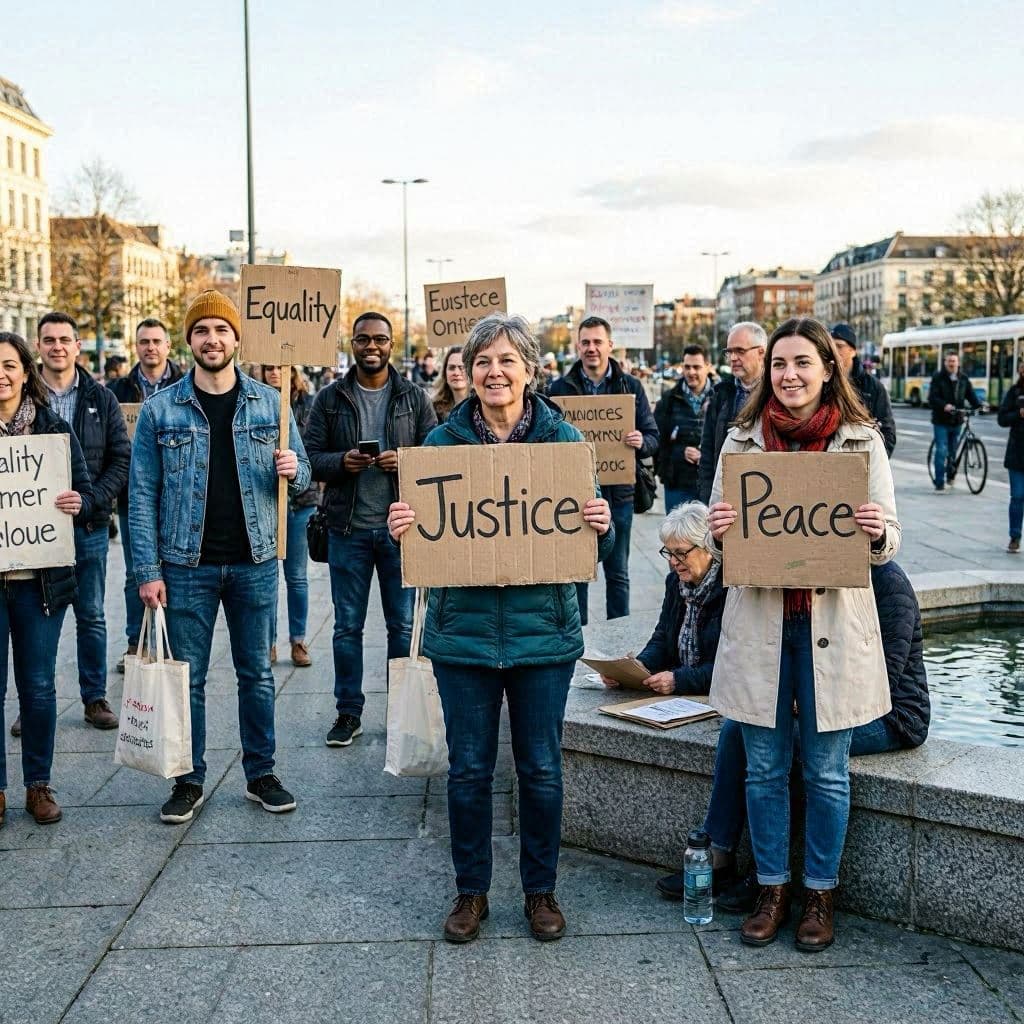
AI Image Disclaimer: The visual representations associated with this article are AI-generated artistic interpretations designed to illustrate the themes of community, history, and justice.
Sources: ABC News (WA) The West Australian Perth Now
Published by Banx Network. This article is part of the Banx decentralized media programme, powered by the BXE token on the XRP Ledger.