
Key Highlights
- Agreement:The US and Iran have agreed to halt strikes and resume technical talks.
- Location:Upcoming discussions are expected to take place in Doha, Qatar.
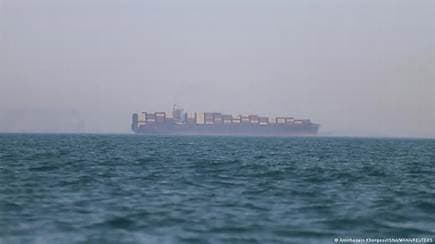
- Impact:The truce aims to stabilize shipping routes in the Strait of Hormuz.
The United States and Iran have reached an agreement to halt military strikes and resume technical discussions, according to a U.S. official. This development comes in the wake of recent hostilities that threatened a fragile interim arrangement between the two nations. The official stated that both sides would 'stand down for now,' allowing vessels to navigate freely in and around the Strait of Hormuz, a vital corridor for global shipping.
The technical talks, which fall under the Iran-U.S. memorandum of understanding (MOU), are expected to cover all areas outlined in the agreement. Reports indicate that the next round of discussions is anticipated to occur soon in Doha, Qatar. However, Iran's official stance on the timing of these talks had not been fully confirmed at the time of this report. Initial plans for the technical discussions were said to focus on different issues before being redirected to address the recent escalations in the Hormuz region.
This truce follows a series of strikes and counterstrikes that erupted after a maritime incident, with both Washington and Tehran accusing each other of breaching the interim ceasefire. The recent escalation has raised concerns about the broader implications for commercial shipping through the Strait of Hormuz, as traffic has slowed and companies are adjusting their routes and schedules accordingly.
The pause in hostilities is intended to alleviate immediate tensions while negotiators work through outstanding issues related to the MOU and the overarching goal of achieving a final settlement. The situation remains fluid, and the international community is closely monitoring developments as both sides navigate the complexities of their relationship.
As the talks progress, the focus will likely remain on ensuring the safety and security of maritime operations in the region, which is critical for global trade. The outcome of these negotiations could have significant implications not only for US-Iran relations but also for the stability of the Middle East as a whole.
Published by Banx Network. This article is part of the Banx decentralized media programme, powered by the BXE token on the XRP Ledger.



