
Key Highlights
- Polestar's US sales will end for the 2027 model year due to a government ban.
- The ban is part of the Connected Vehicles Rule aimed at national security.
- Polestar pivots focus to European markets amid US restrictions.
Polestar, the Swedish electric vehicle manufacturer, announced that it will cease sales in the United States starting with the 2027 model year. This decision follows the US Commerce Department's denial of authorization under the Connected Vehicles Rule, which restricts the import and sale of vehicles equipped with connected-vehicle technology linked to China. The rule, which is set to take effect in 2027, raises national security concerns regarding the potential for vehicles to collect sensitive data.
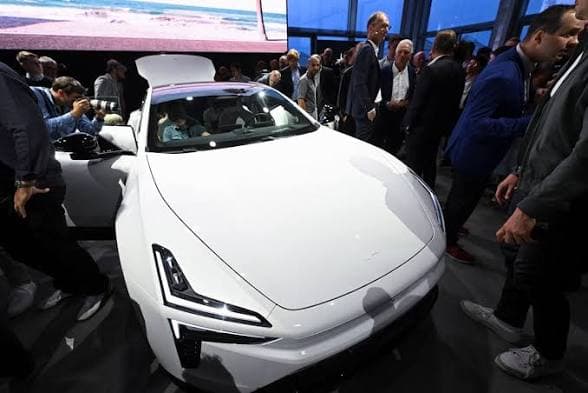
In a statement, Polestar confirmed that it would continue to sell existing models, specifically the Polestar 3 and Polestar 4, in the US market. The company also assured customers that it would maintain access to its service network. However, Polestar has opted not to appeal the denial, framing the decision as a strategic pivot towards Europe, where it has seen a significant portion of its sales.
The Connected Vehicles Rule, adopted in January 2025, targets technologies such as Bluetooth, Wi-Fi, cellular connectivity, and certain satellite communications. This regulatory action is part of a broader effort by the US government to tighten restrictions on vehicles linked to China, which includes existing tariffs and proposed legislation aimed at the China-linked electric vehicle supply chain.
The implications of this ban extend beyond sales figures; it raises questions about Polestar's production plans for its US model. In a related development, Volvo, which owns a stake in Polestar, announced that it would consolidate production of the Polestar 3 at its South Carolina plant instead of manufacturing it in China. However, Volvo indicated that it is too early to determine how these recent changes might affect its production strategy moving forward.
As the US government continues to impose restrictions on Chinese-linked technologies, the automotive industry is bracing for further changes. The ban on Polestar is a clear signal of the increasing scrutiny on foreign electric vehicle manufacturers and their technologies. This situation underscores the growing tensions between the US and China, particularly in sectors deemed critical to national security.
The future of Polestar in the US market remains uncertain as the company navigates these regulatory challenges while attempting to strengthen its presence in Europe. As the landscape of electric vehicle manufacturing evolves, stakeholders will be watching closely to see how these developments unfold and what they mean for the broader industry.
Published by Banx Network. This article is part of the Banx decentralized media programme, powered by the BXE token on the XRP Ledger.



