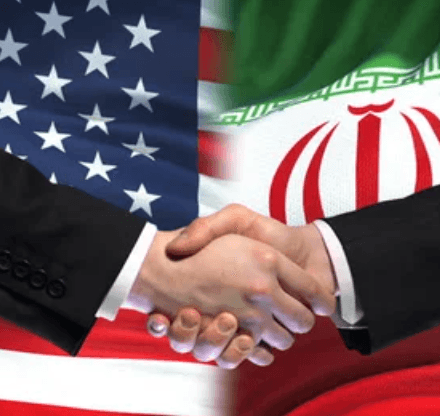
The United States and Iran have agreed to halt direct military strikes against one another, marking a significant diplomatic breakthrough after weeks of heightened tensions in the Middle East. According to reports, representatives from both nations are expected to meet in Qatar in an effort to reduce hostilities and address growing concerns surrounding the strategically vital Strait of Hormuz. The Strait of Hormuz remains one of the world's most important maritime trade routes, carrying a substantial share of global oil and liquefied natural gas exports. Any disruption to shipping through the narrow waterway has immediate implications for international energy markets, freight costs and geopolitical stability. Recent military exchanges had raised fears that commercial vessels could become caught in the conflict, prompting increased security measures from regional allies. Qatar has emerged as a key mediator due to its longstanding diplomatic relationships with both Washington and Tehran. Officials hope the talks will establish mechanisms to prevent future military escalation, improve communication between armed forces operating in the region and safeguard commercial shipping lanes. Global financial markets have responded cautiously to reports of the ceasefire. Oil prices have shown signs of stabilising as investors assess the likelihood of a prolonged reduction in hostilities. Energy companies, shipping operators and insurers are closely monitoring developments, as sustained peace could reduce insurance premiums and lower transportation risks. Security analysts warn that while the pause in strikes is encouraging, the negotiations remain fragile. Several complex issues, including regional security, sanctions and maritime freedom of navigation, continue to divide the two countries. A lasting agreement will require continued diplomatic engagement and confidence-building measures. Regional governments have welcomed the announcement, urging both sides to maintain restraint while negotiations continue. International observers believe that even temporary stability could help restore investor confidence and reduce pressure on global supply chains that have faced repeated disruptions over recent years. The outcome of the Qatar meeting could influence broader geopolitical relations across the Middle East and determine whether diplomacy can replace military confrontation. While challenges remain significant, the agreement represents one of the strongest opportunities in recent months for de-escalation between the United States and Iran.
Published by Banx Network. This article is part of the Banx decentralized media programme, powered by the BXE token on the XRP Ledger.