
Key Highlights
- Severe flooding has impacted Osaka and Nagoya due to heavy rainfall.
- Emergency services are actively rescuing trapped residents and managing evacuations.
- Local infrastructure is under strain, with power outages affecting medical facilities.
Osaka and Nagoya, Japan—Local disaster management teams in Osaka and Nagoya are responding to mass flooding today, as both major urban centers have seen water levels breach capacity in rivers and drainage channels. The intense rainfall has forced authorities to launch emergency rescue efforts across multiple wards, highlighting the urgent need for coordinated disaster response.
In Osaka, the Yodo River system is under high-level surveillance, with flood warnings currently in effect for the Neyagawa River basin. Reports indicate that water has overflowed into low-lying warehouses and basement levels of residential buildings, prompting immediate action from local authorities. Pump stations are operating at maximum capacity to drain the surplus water, but the situation remains critical as more rain is expected.
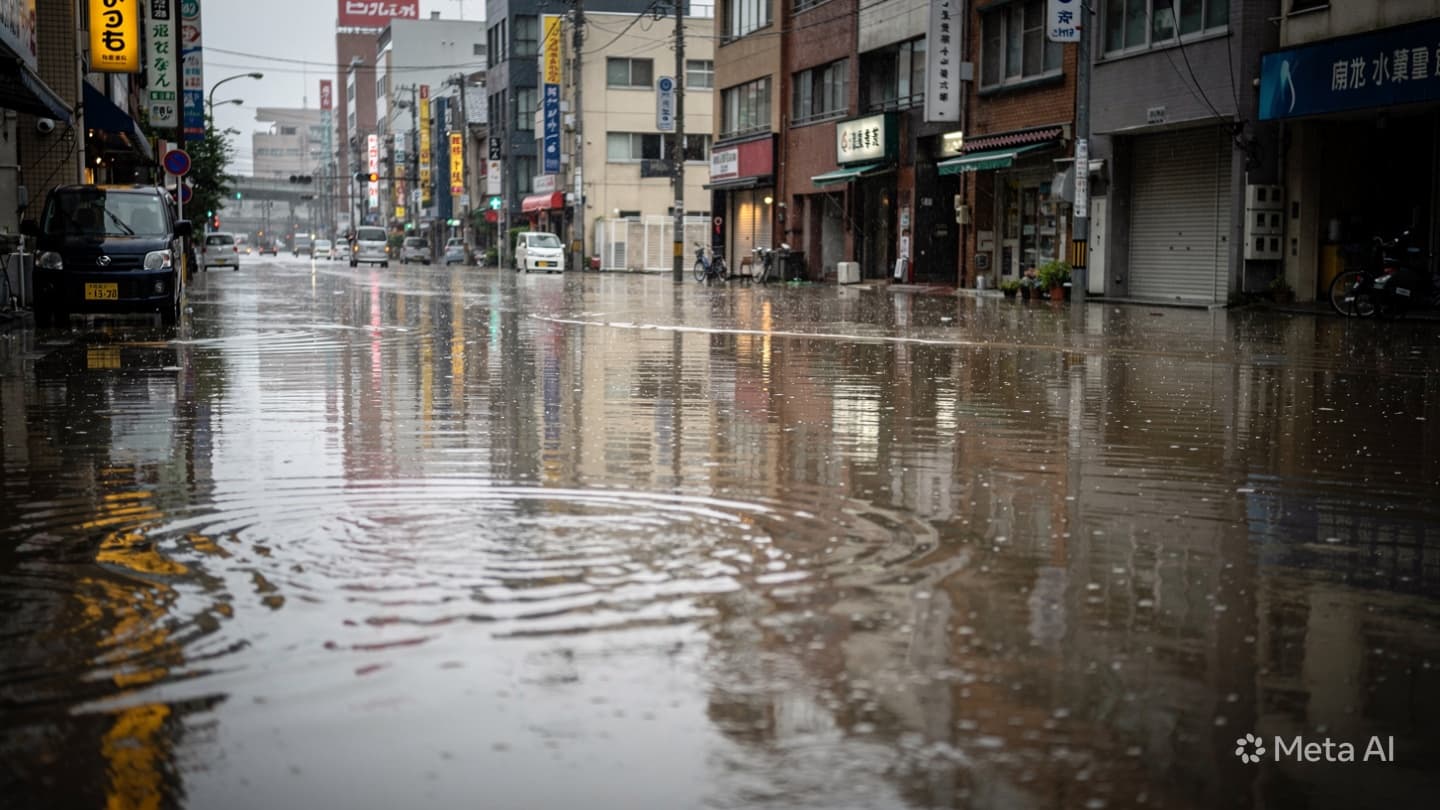
Nagoya is facing similar logistical challenges, exacerbated by its low elevation, which makes it particularly vulnerable to runoff from surrounding prefectures. Streets have been transformed into temporary rivers, trapping commuters in their vehicles. Local authorities are utilizing inflatable boats to reach stranded residents, emphasizing the urgency of the situation as emergency services work tirelessly to provide assistance.
The strain on emergency services is immense, with every available unit dispatched to assist with the ongoing crisis. Officers are focused on identifying vulnerable populations and moving them to higher ground, as many public shelters are already reaching their capacity. The coordination between Osaka and Nagoya is crucial, as both cities share resources and personnel to manage the overwhelming inflow of water.
Medical facilities are also managing the fallout from the flooding. Power outages have forced some hospitals to transition to generator power, and emergency rooms are on high alert, preparing for a potential influx of injuries related to the flooding. Staff are working under difficult conditions to maintain standard care levels, highlighting the broader impact of the disaster on public health.
Local residents have been advised to avoid travel unless it is a life-saving situation. Roads are obscured by murky water, hiding hazards such as open manholes and debris. The danger of getting swept away by currents in the city streets is a primary concern for local police, who are actively monitoring the situation and advising caution.
Disaster officials are conducting hourly assessments of the river gauges and have warned that further rainfall will likely necessitate even stricter evacuation mandates. As the rain continues to fall, the two cities remain in a state of high alert, battling against the rising tide. Meteorological forecasts suggest that the rain will persist throughout the night, leaving residents and officials alike bracing for the challenges that lie ahead.
Published by Banx Network. This article is part of the Banx decentralized media programme, powered by the BXE token on the XRP Ledger.



