On the grand stage of the World Cup, where nations compete for glory and pride, the United States has often found itself striving for a breakthrough that remains just out of reach. Despite moments of brilliance and individual talent, the collective dream of lifting the trophy has yet to be realized. Many observers suggest that the root of this challenge lies not in the professional leagues, but in the foundational structures of youth soccer, where the seeds of future success are sown.
Body: The current youth soccer system in America is characterized by a pay-to-play model that limits access for many talented children from lower-income backgrounds. This financial barrier means that the pool of players is not as diverse or deep as it could be, potentially excluding those who might otherwise rise to the highest levels of the sport. In contrast, many successful soccer nations offer accessible pathways for young athletes, regardless of their economic status.
Critics argue that this exclusivity stifles creativity and resilience, qualities that are essential for success on the international stage. When soccer becomes a privilege rather than a pastime, it loses the raw, street-level energy that often produces innovative players. The emphasis on structured training and expensive clubs can sometimes overshadow the joy and spontaneity that drive genuine passion for the game.
Efforts to reform the system are underway, with organizations advocating for more inclusive programs and community-based initiatives. These efforts aim to democratize access to coaching and facilities, ensuring that talent can emerge from all corners of society. However, change is slow, and the entrenched interests of existing clubs and leagues can resist shifts that threaten their business models.
The impact of these structural issues is visible in the national team’s performance. While American players are increasingly present in top European leagues, the cohesive team dynamics and tactical sophistication seen in traditional soccer powers are still developing. Bridging this gap requires a long-term commitment to nurturing talent from a young age, focusing on skill development and strategic understanding.
Coaches and educators play a crucial role in this transformation, needing to adopt methods that encourage creativity and critical thinking. By moving away from rigid drills and embracing flexible, player-centered approaches, they can help young athletes develop the adaptability needed for high-level competition. This shift in philosophy is as important as any investment in infrastructure.
As the next generation rises, there is hope that these reforms will bear fruit. The journey to World Cup success is a marathon, not a sprint, requiring patience and persistence. By addressing the foundational issues in youth soccer, America can build a stronger, more representative team capable of competing with the best in the world.
Closing: Until the U.S. addresses the accessibility and structure of its youth soccer system, World Cup success may remain elusive. Reforming the pay-to-play model and fostering inclusive development are key steps toward building a competitive national team for the future.
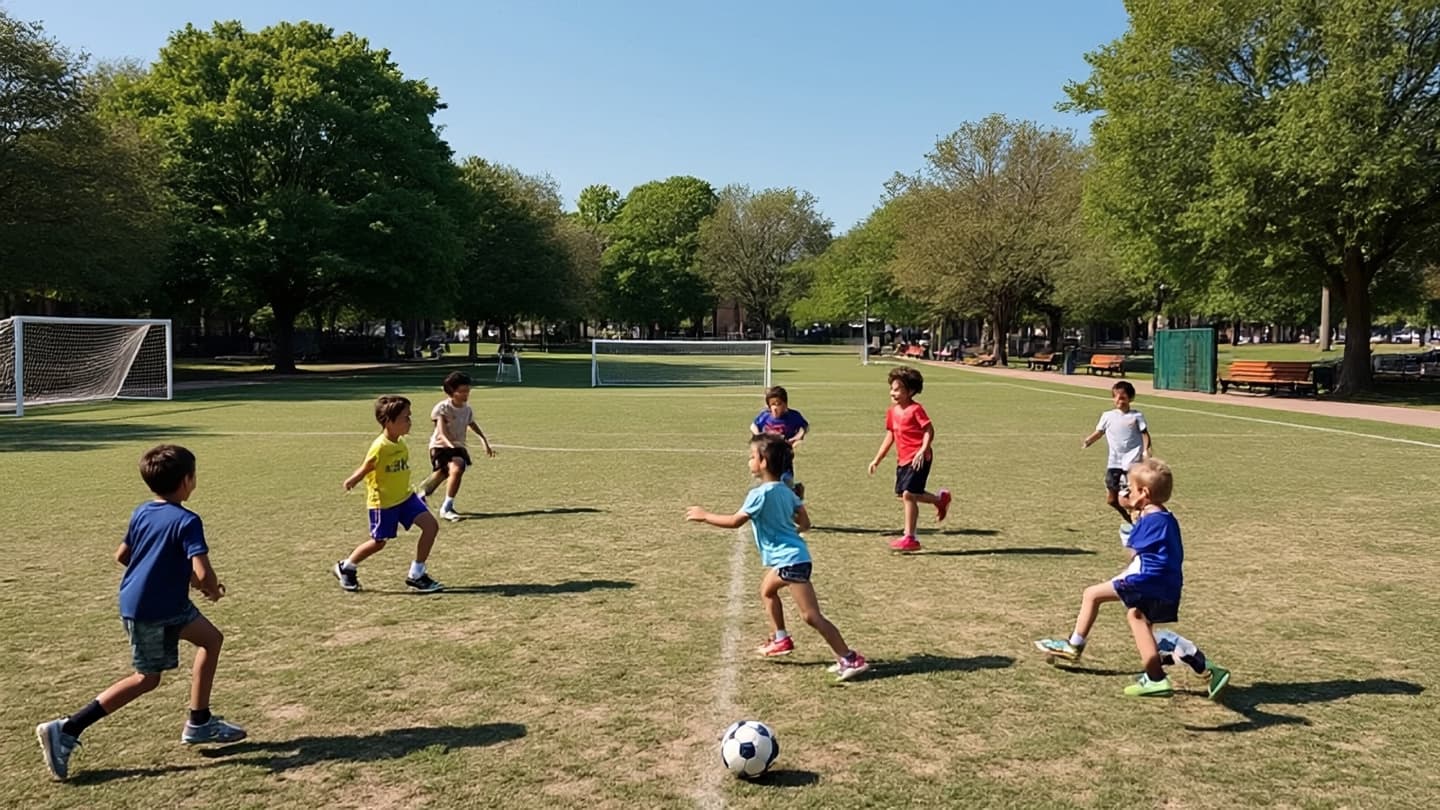
AI Image Disclaimer: Images associated with this article are AI-generated illustrations meant to capture the spirit of youth sports and the aspiration for global competitiveness.
Sources: The Athletic ESPN Sports Illustrated Washington Post
Note: This article was published on BanxChange.com and is powered by the BXE Token on the XRP Ledger. For the latest articles and news, please visit BanxChange.com