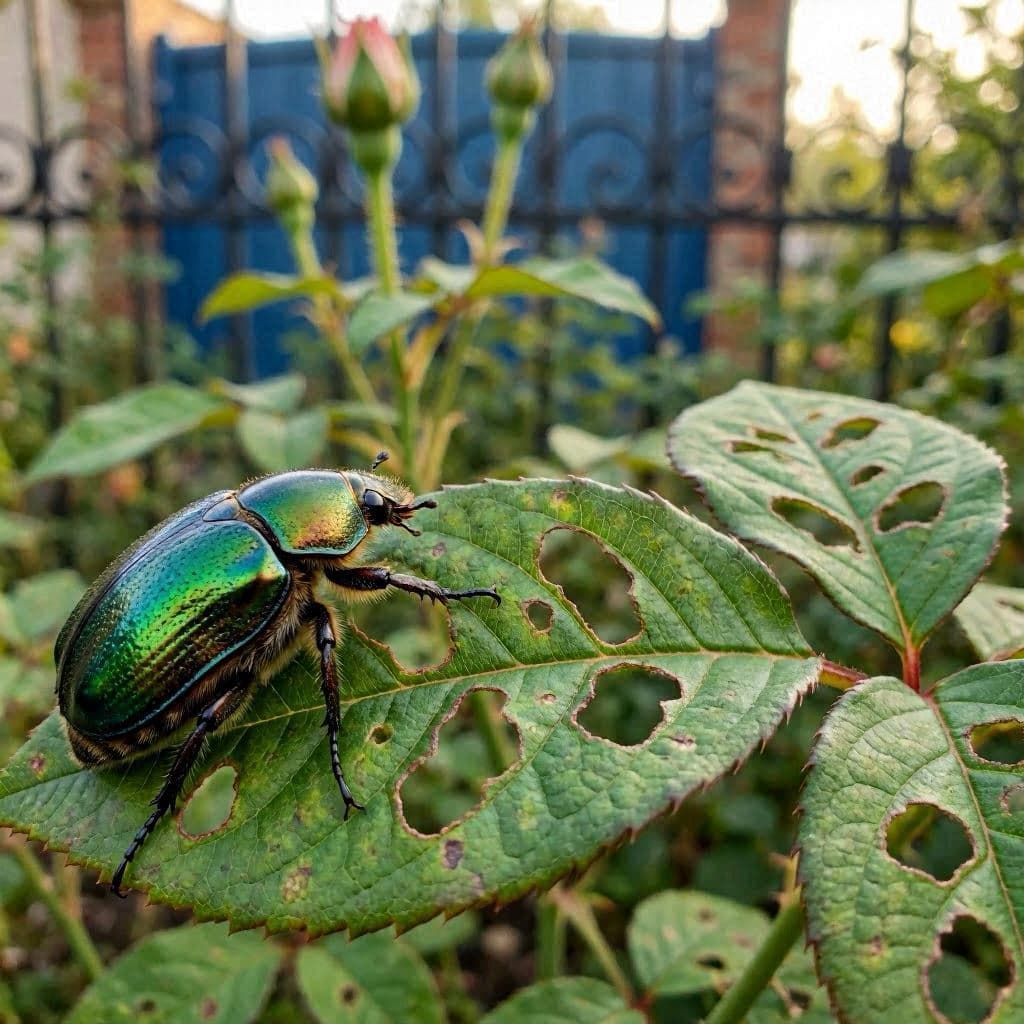
Summer in Wisconsin brings with it a symphony of green, from the lush forests to the manicured lawns of suburban neighborhoods. Yet, alongside this seasonal renewal comes a familiar visitor, one that has become a staple of mid-summer discussions among gardeners and farmers alike. The Japanese beetle, with its metallic green sheen and coppery wings, is emerging once again, ready to feast on a wide array of plants. As these insects take to the air, residents are reminded of the delicate balance between enjoying the outdoors and managing the pests that thrive within it.
Body: The emergence of Japanese beetles is closely tied to temperature and growing degree days, meaning their arrival can vary slightly from year to year. In recent seasons, warmer springs have led to earlier appearances, catching some homeowners off guard. This year, experts predict a typical surge in late June and July, with populations remaining high through August. The beetles are particularly active during the warmest parts of the day, creating a buzzing presence that is hard to ignore in gardens and parks.
While their appearance is striking, their impact on vegetation can be significant. Japanese beetles are polyphagous, meaning they feed on a wide variety of plants, including roses, grapes, lindens, and turfgrass. They skeletonize leaves, eating the soft tissue between the veins, which can weaken plants and reduce their aesthetic appeal. For fruit growers, the damage can also affect yield, as beetles may feed on ripening berries and other crops. The cumulative effect of heavy infestations can stress plants, making them more susceptible to other diseases.
However, it is important to maintain perspective regarding the threat they pose. Established trees and shrubs are generally resilient and can tolerate moderate defoliation without long-term harm. The damage is often more cosmetic than fatal, though repeated severe attacks can weaken younger or already stressed plants. Understanding this distinction helps homeowners respond appropriately, avoiding panic while still taking steps to protect valuable specimens.
Management strategies vary depending on the scale of the infestation and the type of plant affected. Hand-picking beetles in the early morning when they are less active is a simple, chemical-free method for small gardens. Traps are available but must be used with caution, as they can attract more beetles to the area than they catch. For larger properties, integrated pest management approaches, including the use of beneficial nematodes to target grub stages in the soil, offer a more sustainable solution.
The lifecycle of the Japanese beetle also plays a role in its management. After feeding as adults, females lay eggs in the soil, where the grubs feed on grass roots. This underground phase causes brown patches in lawns, linking the adult beetle problem to turf health. Addressing both stages of the lifecycle is key to long-term control, requiring a coordinated effort throughout the growing season. Community-wide awareness and action can help reduce overall population levels.
As climate patterns shift, the range and behavior of Japanese beetles may continue to evolve. Monitoring their spread and impact provides valuable data for agricultural extensions and environmental scientists. Residents are encouraged to report unusual sightings or severe damage to local authorities, contributing to a broader understanding of this persistent pest. Knowledge and observation are powerful tools in maintaining healthy landscapes.
Closing: The emergence of Japanese beetles is a reminder of the dynamic nature of our local ecosystems. While they present challenges for gardeners, they are also part of the intricate web of life that defines the summer season. By staying informed and adopting balanced management practices, Wisconsinites can enjoy their outdoor spaces while minimizing the impact of these metallic invaders.
AI Image Disclaimer: The images accompanying this article are AI-generated visuals created to illustrate the seasonal context of the discussion.
Sources: University of Wisconsin-Madison Extension Wisconsin Department of Agriculture, Trade and Consumer Protection Mid-West Farm Report Green Bay Press-Gazette
Published by Banx Network. This article is part of the Banx decentralized media programme, powered by the BXE token on the XRP Ledger.