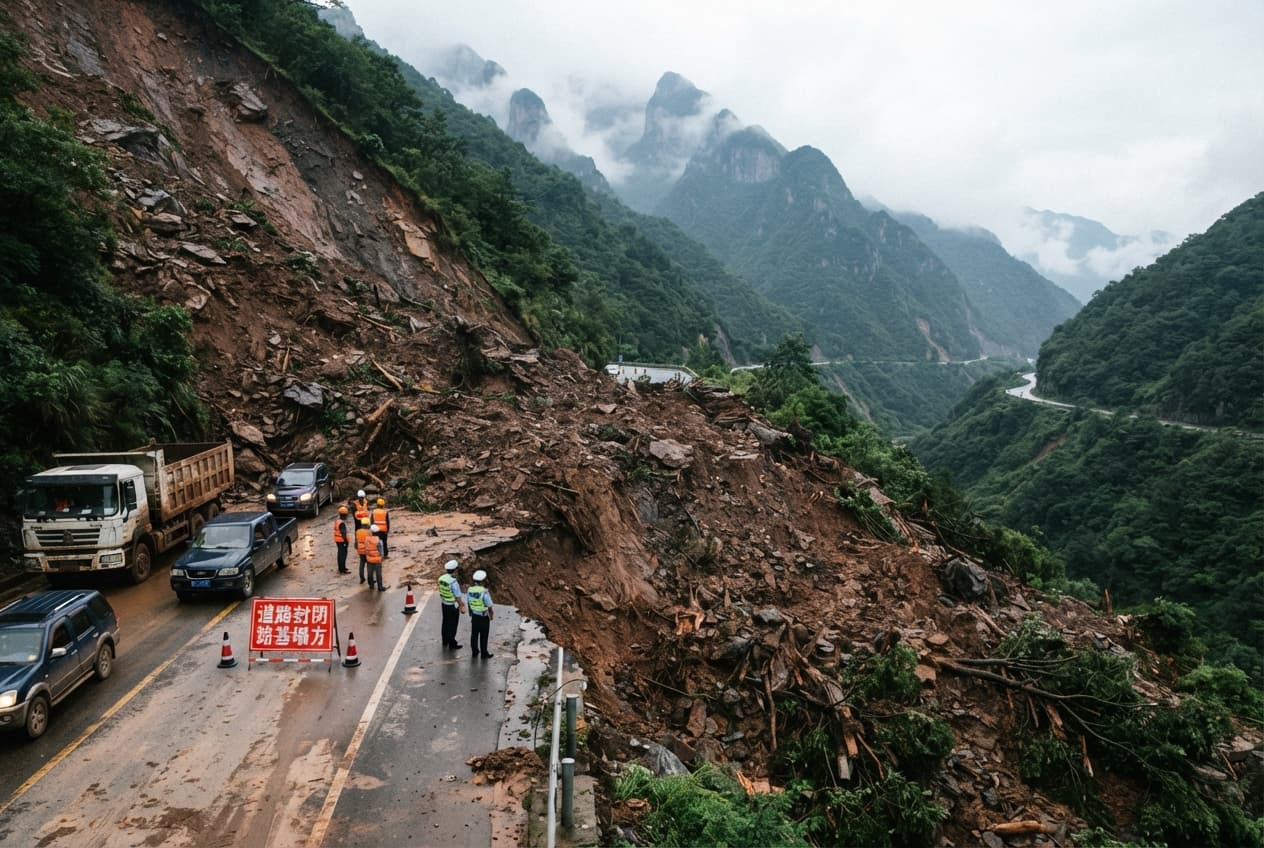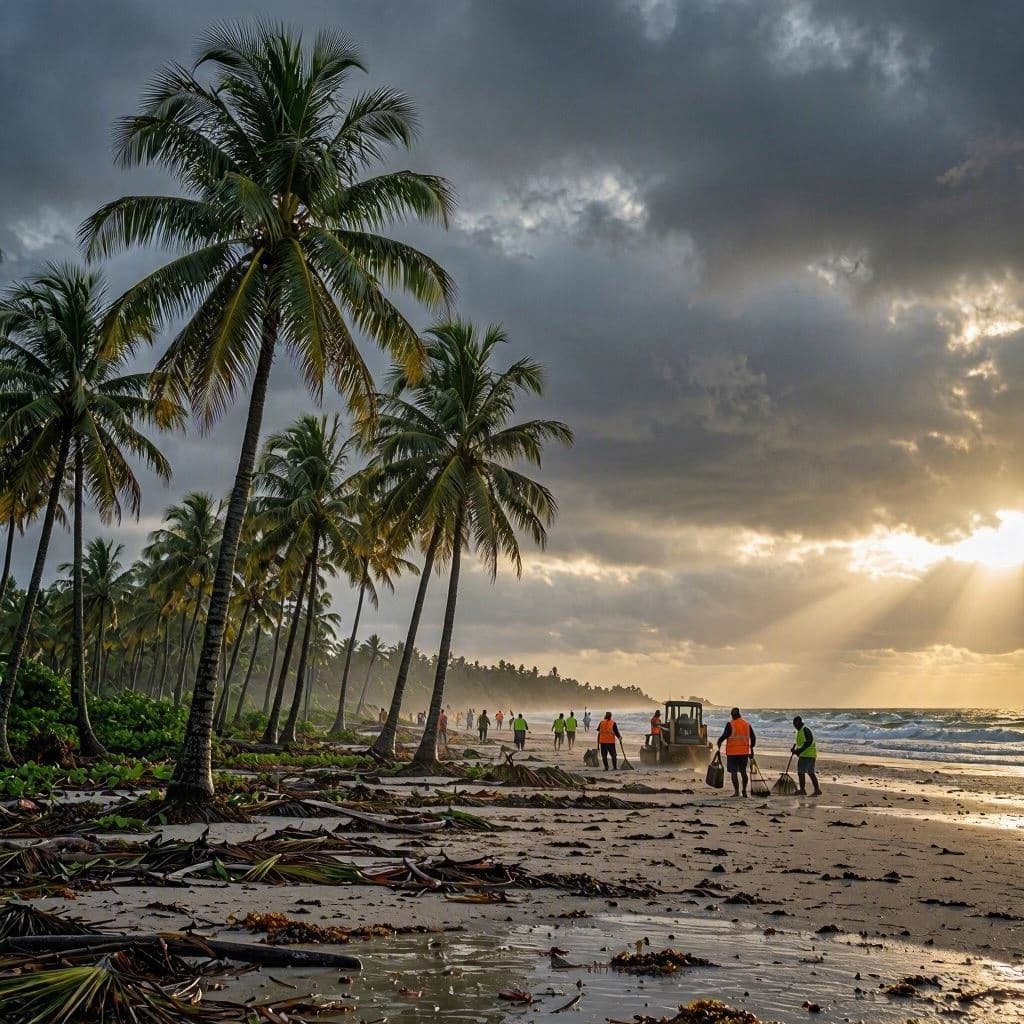
When the winds of Hurricane Lala finally eased over the Hawaiian islands, they left behind a landscape altered by nature’s formidable power. The storm, which struck with unusual intensity for the region, has since been downgraded to a tropical storm, but its impact remains vividly etched in the damaged homes and disrupted lives of residents. This event serves as a poignant reminder of the vulnerability of island communities to extreme weather, inviting a reflective look at resilience and recovery.
On the Big Island, more than 100 homes suffered damage, with some structures completely lost to the fierce winds and heavy rains. Bridges were also compromised, cutting off access to certain areas and complicating emergency response efforts. These physical scars are not just statistics but represent significant disruptions to daily life, forcing families to confront the immediate challenge of shelter and safety.
Power outages affected tens of thousands of residents, plunging neighborhoods into darkness and disrupting essential services. Utility crews worked tirelessly to restore electricity, navigating debris and hazardous conditions to reconnect communities. The gradual return of power brought relief, yet the underlying fragility of infrastructure in the face of such storms remains a critical concern for planners and policymakers.
Governor Josh Green acknowledged the severity of the damage, emphasizing the state’s commitment to supporting affected residents. His statements highlighted the importance of community solidarity during crises, as neighbors helped neighbors clear debris and share resources. This spirit of aloha, deeply rooted in Hawaiian culture, played a vital role in the initial response, demonstrating the strength of social bonds in times of adversity.
While Lala avoided a direct hit on some islands, its trailing rain bands continued to pose threats of flash flooding and landslides. Residents on Oʻahu and Kauaʻi remained vigilant, dealing with downed trees and localized flooding. The storm’s lingering effects underscored the widespread nature of its impact, affecting multiple islands and requiring coordinated regional response efforts.
Climate scientists point to such events as indicators of changing weather patterns, with hurricanes becoming more frequent or intense in regions previously less affected. Hawaii’s experience with Lala adds to a growing body of evidence suggesting that preparedness must evolve to meet new environmental realities. This includes investing in resilient infrastructure and enhancing early warning systems to protect lives and property.
As cleanup efforts continue, the focus shifts from immediate response to long-term recovery. Rebuilding homes and repairing infrastructure will take time and resources, but it also offers an opportunity to build back stronger and more sustainably. The community’s resilience, tested by Lala, will be key to navigating this path forward, turning a moment of crisis into a catalyst for greater preparedness.
AI Image Disclaimer: The images accompanying this article are AI-generated depictions of storm aftermaths and natural landscapes, intended to illustrate the environmental context without showing real-life destruction.
Sources: The Guardian, CNN, KHON2, Hawaii Department of Defense
Note: This article was published on BanxChange.com and is powered by the BXE Token on the XRP Ledger. For the latest articles and news, please visit BanxChange.com