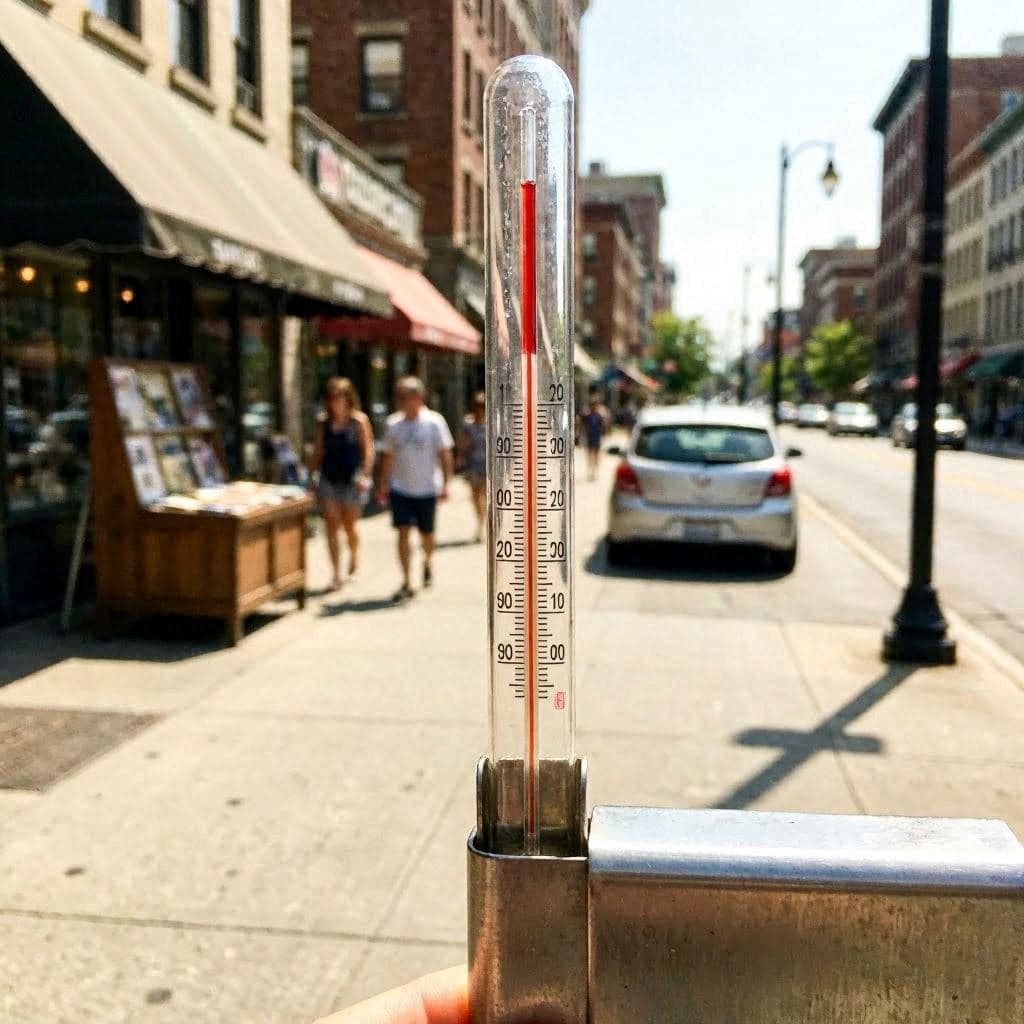
Heat is often perceived as a gentle companion, a source of light and vitality. Yet, when it becomes excessive and unrelenting, it transforms into a silent and deadly force. A new study has brought this harsh reality into sharp focus, estimating that more than 20,000 people lost their lives during recent unprecedented heatwaves in Europe. This staggering figure serves as a somber reminder of the human cost of climate change, highlighting the vulnerability of populations to extreme weather events that are becoming increasingly common.
Body: The research, published in a leading medical journal, analyzed mortality data across multiple European countries during the summer months. It found a significant excess in deaths directly attributable to high temperatures, particularly among the elderly and those with underlying health conditions. The study emphasizes that these were not just unfortunate coincidences but direct consequences of physiological stress caused by sustained heat. The body’s ability to regulate temperature can be overwhelmed, leading to heatstroke, dehydration, and exacerbation of cardiovascular and respiratory issues.
The geographic spread of the impact was wide, affecting nations from the Mediterranean to Northern Europe. Countries that historically experienced milder summers were particularly hard hit, as their infrastructure and public health systems were less prepared for such extremes. In contrast, regions accustomed to heat had slightly better adaptive measures, though they too suffered significant losses. This disparity underscores the need for tailored responses based on local climate realities and vulnerabilities.
Public health officials are urging a reevaluation of heat action plans. Traditional measures, such as opening cooling centers and issuing warnings, are essential but may no longer be sufficient. The study suggests that more proactive interventions are needed, including better urban planning to reduce heat islands, improved housing insulation, and targeted support for vulnerable communities. Education campaigns are also crucial to raise awareness about the dangers of heat and simple preventive steps.
The economic burden of these heat-related deaths is also substantial. Beyond the tragic loss of life, there are costs associated with healthcare services, lost productivity, and long-term care for survivors. Investing in adaptation strategies, therefore, is not just a moral imperative but an economic one. Preventive measures can significantly reduce the financial strain on health systems and society as a whole.
Climate scientists warn that such events will likely become more frequent and intense in the coming decades. Without significant global efforts to mitigate climate change, the number of heat-related deaths could rise further. This projection adds urgency to the findings of the study, calling for immediate action at both national and international levels. The window for effective adaptation is narrowing, making every step count.
Community resilience plays a vital role in mitigating these risks. Neighborhood networks that check on elderly neighbors, shared green spaces, and accessible water sources can make a significant difference. Social cohesion acts as a buffer against the isolating effects of extreme heat, ensuring that no one is left behind. Strengthening these community ties is a practical and compassionate response to the challenge.
Closing: The claim that over 20,000 people died in recent European heatwaves is a profound call to action. It highlights the urgent need for better preparation, adaptation, and climate mitigation. Protecting vulnerable populations from extreme heat requires a collective effort, combining policy, infrastructure, and community care.
AI Image Disclaimer: The images associated with this article are AI-generated interpretations designed to visualize the impact of heat on public health.
Sources: The Lancet Planetary Health BBC News World Health Organization Nature Medicine
Note: This article was published on BanxChange.com and is powered by the BXE Token on the XRP Ledger. For the latest articles and news, please visit BanxChange.com