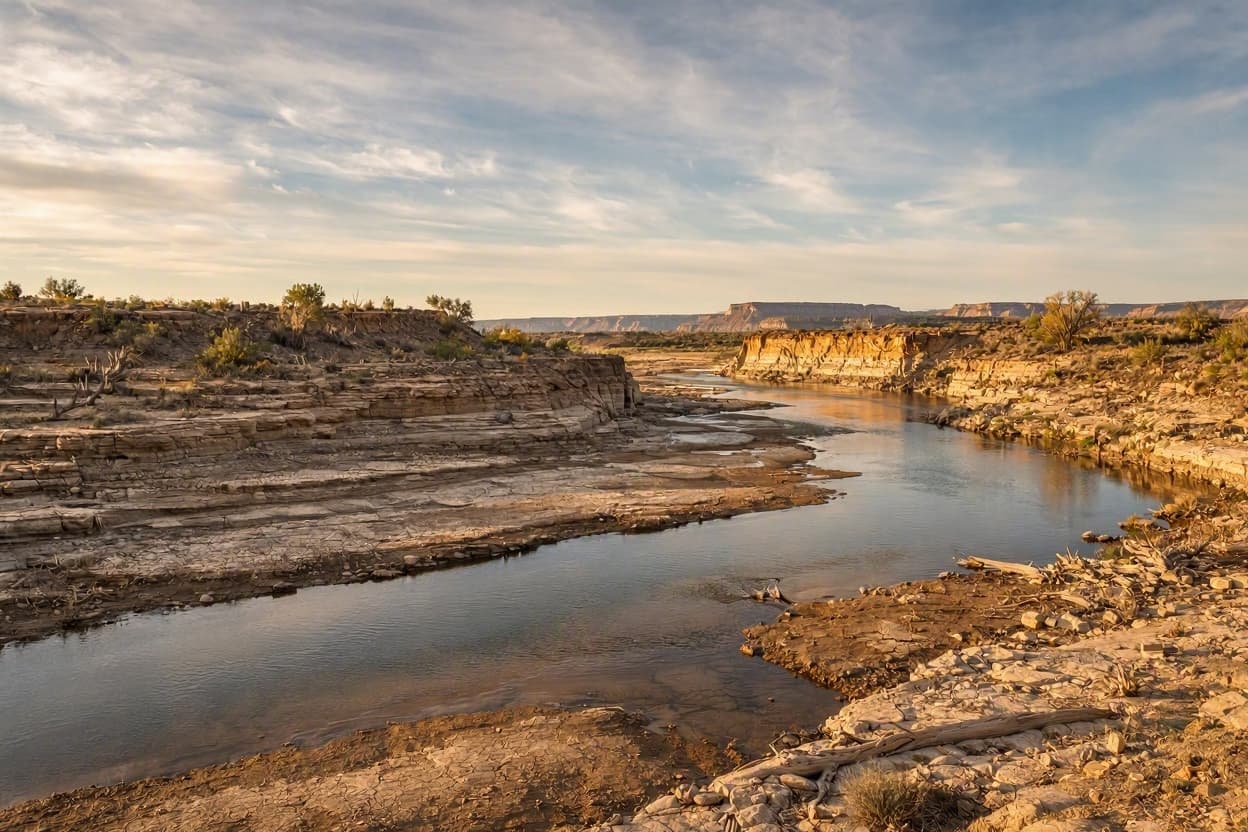
The Sofia region in northern Madagascar is a highly dynamic, riverine landscape where expansive alluvial valleys, protected wetlands, and rolling grassy hills form a critical agricultural and ecological zone. This fertile basin is traditionally dominated by large-scale family farming, with communities cultivating extensive fields of rain-fed rice, sugar cane, and tobacco along the wide banks of the Sofia River. The social structure of the region has long been characterized by a quiet, predictable rhythm, dictated by seasonal planting and harvest cycles that have sustained the local population for generations. The landscape represents a vital food basket for the northern provinces, grounded in a deep connection to the land and water systems.
This stable agrarian lifestyle was completely transformed when a group of local farmers discovered exceptionally rich alluvial gold deposits along a remote, forested tributary of the primary river system. The news of the discovery triggered a massive, rapid influx of independent artisanal miners from across the island, turning a quiet rural commune into a bustling, informal frontier gold rush zone within a matter of weeks. Thousands of transient workers have established temporary tent settlements along the riverbanks, utilizing basic hand tools, picks, and wooden sluice boxes to systematically excavate the river gravels and sift through the sediment in search of valuable gold flakes.
The immediate fallout of this sudden mining boom has put immense strain on the local commune's limited administrative infrastructure, social services, and environmental boundaries. The rapid expansion of informal mining camps has outpaced municipal waste management and clean water access, leading to concerns regarding public sanitation and the contamination of downstream water sources used for drinking and agricultural irrigation. Furthermore, some miners have begun encroaching onto the outer margins of protected wetland reserves and sensitive riverbanks, causing localized deforestation and introducing heavy sediment loads into the clean river channels, which threatens native fish populations and disrupts downstream rice cultivation.
In response to the escalating situation, regional administrative directors and environmental enforcement officers have initiated a comprehensive program to register independent miners and stabilize the frontier sector. Multi-agency task forces are conducting field evaluations to map the exact boundaries of the active mining zone, ensuring that informal excavations do not cross into protected ecological reserves or private agricultural lands. Local authorities are establishing formal gold trading centers within the commune to ensure that independent miners receive fair, regulated prices for their findings, while suppressing illicit black-market smuggling networks that operate outside national tax frameworks.
For regional economic planners and community elders, the mining boom presents a complex double-edged sword that requires careful long-term management. While the sudden gold rush provides a powerful, immediate economic stimulus—generating cash flow for local merchants and creating alternative income streams for struggling farming families—it also introduces significant long-term social and environmental risks. Civic leaders emphasize that lasting stability requires the transformation of the informal mining camps into a structured, regulated artisanal mining zone, paired with mandatory land-rehabilitation requirements to ensure that excavated riverbanks are refilled and stabilized with vegetation once the gold deposits are exhausted.
As the sun sets over the active riverbanks of the Sofia basin, the steady rattle of wooden sorting sieves and the murmur of thousands of voices gradually quiet down, replaced by the crackle of evening cooking fires across the sprawling canvas settlements. The capacity of the local community to adapt to this sudden influx of wealth and human migration remains a testament to the resilient, resourcefulness of the region's inhabitants. The process of establishing complete administrative order and ecological balance along the gold frontier will require sustained regulatory effort, but safeguarding the region's agricultural foundations remains paramount for securing the long-term future of the northern basin.
A rapid alluvial gold rush in Madagascar’s northern Sofia region has prompted regional authorities to deploy administrative task forces to manage an influx of thousands of independent miners and protect adjacent agricultural assets. Local monitoring teams report that informal mining camps have expanded rapidly along sensitive river tributaries, triggering localized soil erosion and raising concerns regarding downstream water contamination in critical rice-farming districts. In response, regional directors have launched a comprehensive registration campaign to formalize artisanal mining claims, establish regulated buying centers, and enforce strict environmental perimeters around protected wetland reserves. Officials emphasized that structural management of the sector is necessary to capitalize on localized economic growth while preventing irreversible ecological damage to the watershed.
Note: This article was published on BanxChange.com and is powered by the BXE Token on the XRP Ledger. For the latest articles and news, please visit BanxChange.com