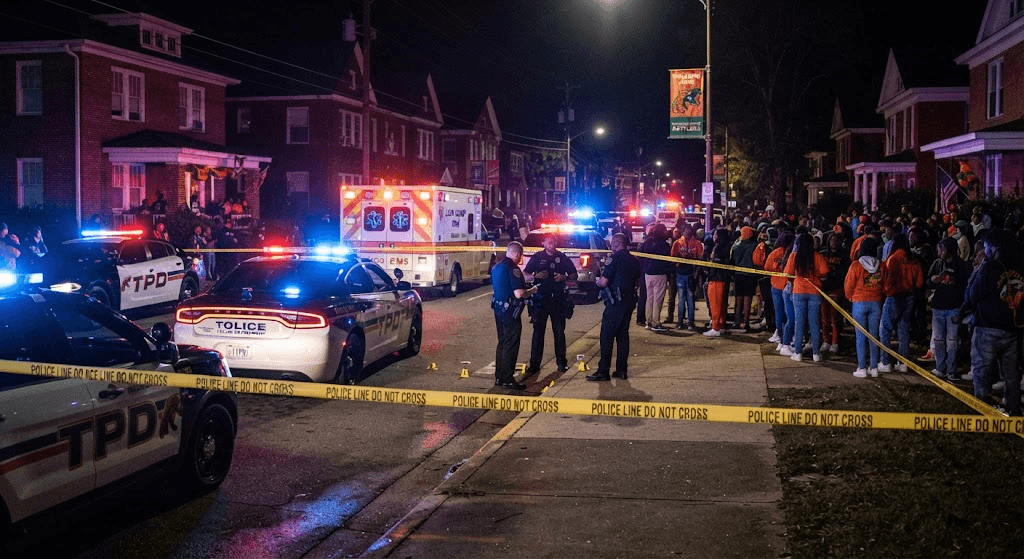
The city of Midland, a place defined by the resilient spirit of the Texas oil plains, found its rhythm abruptly altered this past June. On the morning of the twelfth, the quietude of West Wall Street was shattered by a sequence of events that bypassed the expected order of a typical Friday. A local man, Victor Mata Villarreal, initiated an encounter that transformed the ordinary landscape into a site of profound instability. By the time the standoff reached its final, solitary conclusion, the community was left to grapple with the stark reality of one life lost and ten others forever altered by the sudden, indiscriminate reach of violence.
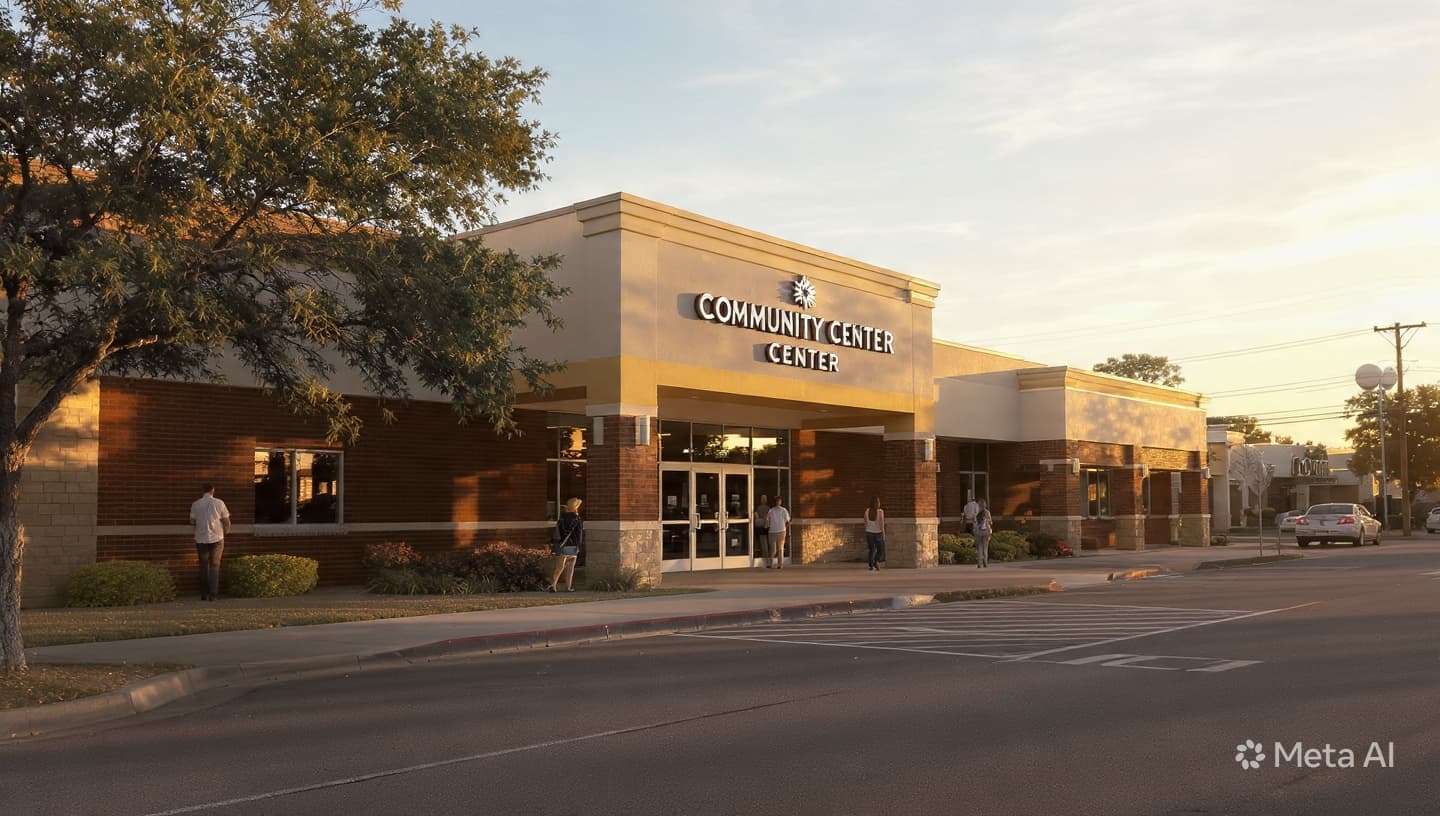
In the days that have followed, the narrative of the event has transitioned from the immediate urgency of the standoff to the slower, more deliberate process of healing. The FBI, working alongside local and state partners, has extended its reach beyond the investigative scope, establishing resources meant to provide a tether for those caught in the sudden wake of the tragedy. This presence—marked by the establishment of a Community Resiliency Center at PermiaCare—serves as a quiet acknowledgment that the trauma of such an event does not vanish when the police tape is finally removed. It lingers in the everyday routines of those who were present and those who lost loved ones, requiring a support structure that understands the weight of the invisible scars.
The recovery of personal items and the access to mental health services offered through these partnerships represent a crucial, if somber, step in the community’s collective movement toward equilibrium. For many, the ability to reclaim a vehicle or a personal belonging left at the scene is a way of reclaiming a small piece of their former normalcy. It is a deeply human attempt to process the dislocation caused by the shooting, an effort to bridge the gap between the world as it was on that Friday morning and the world that remains in its aftermath.
We observe these efforts with a measure of restrained reflection, recognizing that the clinical language of "victim services" and "resiliency centers" belies the profoundly personal nature of the suffering. Every individual impacted carries their own unique burden, their own set of questions that may never find a complete answer. The Bureau’s commitment to providing this assistance is not merely a procedural duty; it is a recognition of the fragility of the peace we often take for granted in our towns and cities. It is a reminder that in the moments following a mass casualty event, the restoration of order is secondary to the restoration of the people themselves.
Midland, a city that has faced such shadows before, is now navigating the complex, often non-linear path of communal grieving. The presence of the American Red Cross and other spiritual and mental health professionals at the center offers a space for the quiet, necessary work of reflection. There is a dignity in this process—a collective willingness to stand in the space between the tragedy and the eventual return to normalcy, ensuring that no one is left to carry the weight of the day in isolation.
As the investigation into the origins of the incident continues, the focus of the community remains anchored in the welfare of the survivors. The victims, ranging from those who were physically wounded to those who simply witnessed the chaos, are the true center of this ongoing story. Their stories, often kept private, are the ones that will eventually define the city’s recovery. It is a testament to the strength of Midland that even in the face of such senseless violence, the machinery of support continues to turn, prioritizing the human need for connection and care.
Ultimately, we are left to observe this period of recovery with a sense of contemplative distance. The event on West Wall Street will remain a waypoint in the city's memory, a date marked by the loss of Edward Randall Scott and the profound disruption of so many others. Yet, it is the way in which the community has leaned into the support offered that will likely define the final chapter of this tragedy. The road to healing is long, and it is rarely straightforward, but the commitment to stand together in the aftermath is the most enduring aspect of the human response to violence.
For now, the city looks toward the coming weeks with a cautious, quiet resolve. The events of June 12th have left their mark, but they have not defined the essence of the place. The support structures in place are a bridge, not a destination, helping to carry the burden until the town can once again move forward with a sense of its own rhythm, albeit one permanently tempered by the memory of the day the silence was broken.
Published by Banx Network. This article is part of the Banx decentralized media programme, powered by the BXE token on the XRP Ledger.