Summer heat is a familiar companion, but when it intensifies into a prolonged wave, it becomes a formidable force. Across the Northeast and much of the United States, temperatures are rising sharply, prompting heat alerts for more than 125 million people. This widespread warning is not just a weather update; it is a signal of the changing climate’s impact on daily life. It invites reflection on how communities adapt to extreme weather, the vulnerability of certain populations, and the collective responsibility to ensure safety during these sweltering days.
Body: The heat wave, driven by a high-pressure system stagnating over the region, is expected to bring temperatures well above seasonal averages. Humidity levels will exacerbate the discomfort, creating heat indices that pose health risks even to healthy individuals. Meteorologists advise limiting outdoor activity, staying hydrated, and seeking air-conditioned environments. For many, this means altering routines, canceling plans, and prioritizing rest over productivity.
Vulnerable populations, including the elderly, young children, and those with pre-existing health conditions, are at greatest risk. Heat-related illnesses such as heat exhaustion and heat stroke can escalate quickly. Community centers, libraries, and cooling stations are opening their doors to provide relief. These efforts highlight the importance of social infrastructure in mitigating the effects of extreme weather. It is a reminder that public health is a communal endeavor.
The economic impact of such heat waves is also significant. Energy demand surges as air conditioning usage spikes, straining power grids and increasing electricity bills. Outdoor workers face hazardous conditions, leading to reduced productivity and potential health claims. Agriculture suffers as crops wilt under the intense sun, affecting food supply and prices. The ripple effects touch nearly every sector of society.
Climate change is making these events more frequent and severe. What was once considered an exceptional occurrence is becoming a regular feature of summer. Scientists warn that without significant reductions in greenhouse gas emissions, heat waves will continue to intensify. This trend underscores the urgency of climate action, not just for future generations but for immediate safety and stability.
Urban areas, with their concrete and asphalt, experience the "heat island" effect, where temperatures are significantly higher than in surrounding rural areas. City planners are exploring solutions such as green roofs, tree planting, and reflective surfaces to mitigate this phenomenon. These adaptations are crucial for making cities more livable in a warming world. It is a blend of innovation and necessity.
Public awareness campaigns play a vital role in educating residents about heat safety. Simple measures like checking on neighbors, wearing lightweight clothing, and avoiding peak sun hours can save lives. Community cohesion is tested and strengthened during these times, as people look out for one another. It fosters a sense of shared responsibility and care.
As the heat wave persists, emergency services remain on high alert. Hospitals prepare for increased admissions, and first responders monitor hotspots. The coordination between agencies is essential for effective response. It demonstrates the resilience of public institutions in the face of natural challenges.
Closing: In the end, the heat wave affecting the Northeast is a stark reminder of our vulnerability to nature’s forces. It calls for preparedness, compassion, and long-term planning. As we endure the heat, the hope is that we emerge with greater awareness of the need to protect our environment and each other.
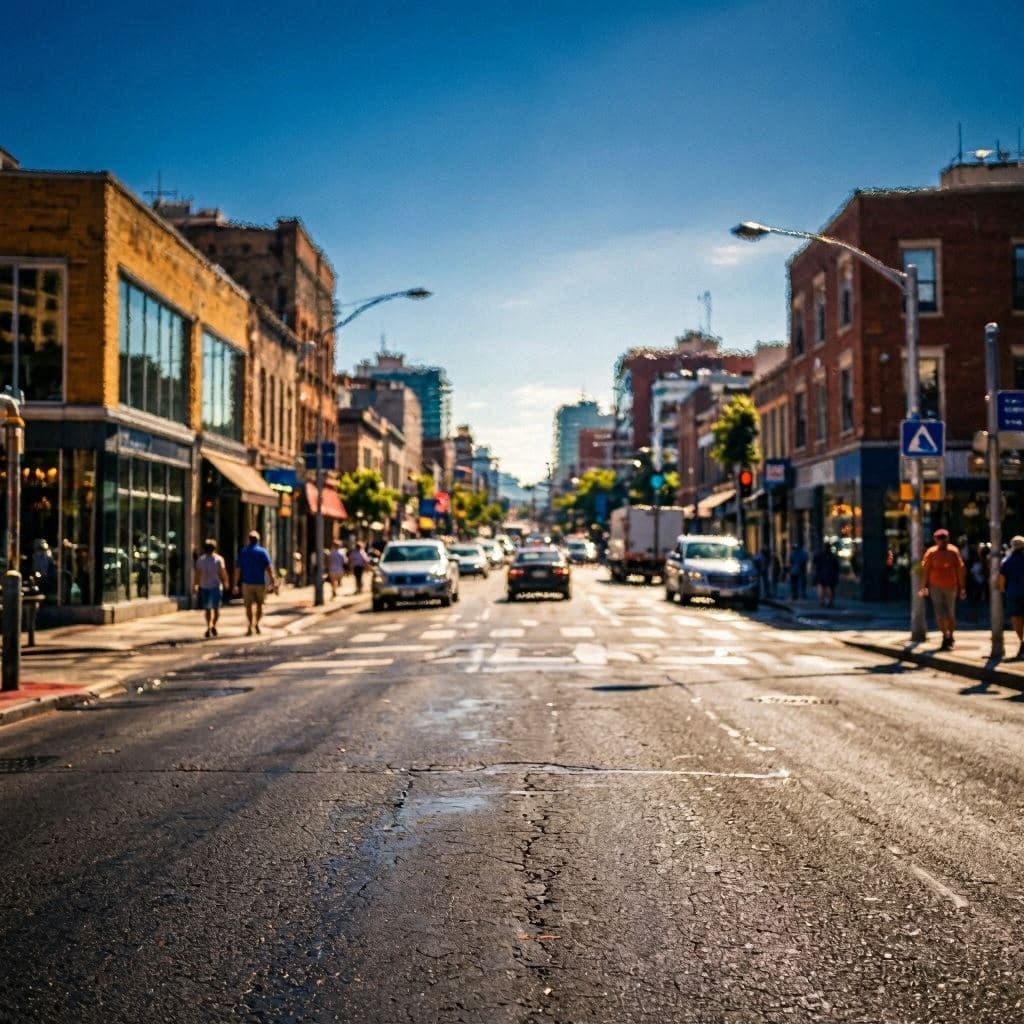
AI Image Disclaimer: Visuals accompanying this text are AI-generated conceptualizations intended to depict the themes of extreme weather and community resilience.
Sources: National Weather Service CNN Weather The New York Times
Published by Banx Network. This article is part of the Banx decentralized media programme, powered by the BXE token on the XRP Ledger.