
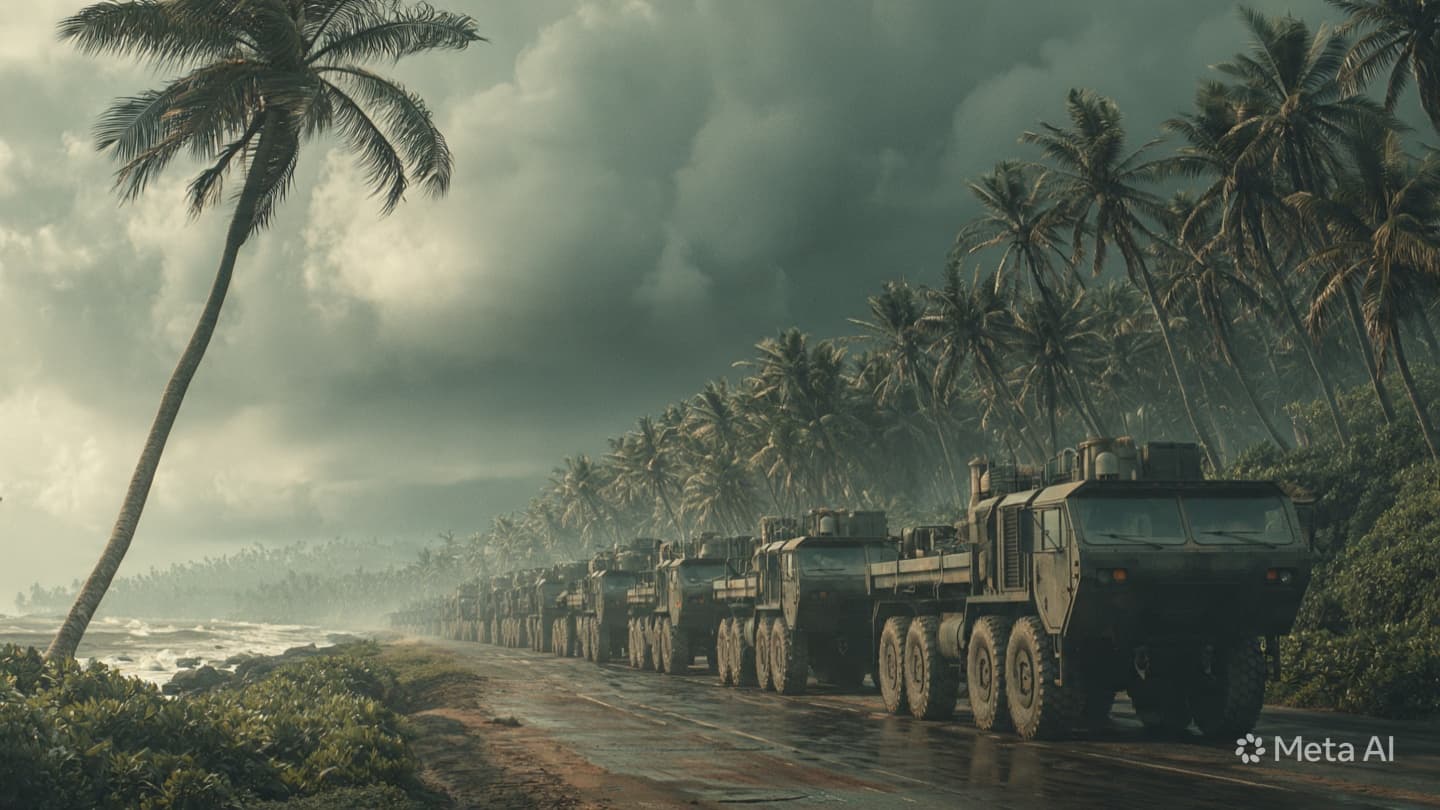
The air along the western plains of the republic carries a distinct, heavy moisture as the dry season begins to give way to the low clouds of the coast. For generations, these fertile lowlands were defined by the immense, green expanses of banana plantations and the unhurried movement of cargo trucks heading toward the sea. It is a landscape that should suggest abundance and rural peace, yet today, a different kind of harvest is being prepared. Along the arterial highways leading toward the major maritime ports, the state is quietly assembling an unprecedented concentration of military force.
This planned offensive represents the most ambitious escalation of the domestic conflict since the declaration of an internal armed conflict two years ago. With the strategic backing and logistical cooperation of international partners, including the United States, the central government is preparing to launch a direct assault on the economic infrastructure of the cartels. The objective is no longer merely to police the urban centers, but to systematically dismantle the "criminal economy" that has taken root in the western provinces. The columns of iron are moving toward the coast with a slow, unyielding inevitability.
To understand the necessity of this western concentration is to look at the ports themselves, which have become the central engines of the regional security crisis. Cities like Guayaquil, Manta, and Esmeraldas are no longer just hubs of traditional commerce; they are the highly contested gateways through which the wealth of the transnational shadow economy flows. The cartels have dug themselves deep into the logistics of the shipping industry, utilizing legitimate containers to mask the departure of thousands of tons of illicit cargo. The state has realized that to break the power of the networks, it must seize control of the water’s edge.
The impending operation brings with it a profound, nervous tension that ripples through the coastal communities. Residents watch the arrival of heavy armor and specialized engineering units with a mixture of hope and deep foreboding, knowing that an offensive of this scale will inevitably transform their daily lives. The open fields and rural roads that surround the ports are expected to become zones of intense tactical engagement as the military attempts to sever the supply lines connecting the interior laboratories to the maritime shipping lanes. The peace of the countryside is about to be broken by the machinery of war.
Behind this mobilization lies a significant shift in the administration's tactical doctrine, moving away from reactive urban policing toward proactive, territorial containment. Specialized units are establishing permanent bases along the river networks and mangrove swamps that have long served as the preferred highways for the syndicates. By occupying these blind spots in the geography, the military hopes to choke off the movement of weapons and capital before they can reach the urban centers. It is a strategy that requires an immense, sustained expenditure of human and material resources.
Yet, the success of this western offensive will depend on far more than the simple deployment of superior firepower along the coast. The cartels have spent years embedding themselves into the local social structures, purchasing the silence or the active cooperation of communities through targeted investments and intimidation. In many forgotten coastal villages, the gang leader is viewed as a more reliable provider than the distant government in the highlands. The military must conquer not just the physical terrain of the ports, but the social landscape that sustains the network.
As the final preparations are completed in the staging areas, the western provinces hold their breath, waiting for the first movements of a campaign that will define the political future of the administration. The young soldiers, their faces obscured by ballistic helmets and dust scarves, stand beside their vehicles in the humid coastal air, checking their equipment with a quiet, disciplined intensity. They are the tip of a spear that the state is driving into the heart of its most formidable adversary, a gamble of immense proportions.
The Pacific Ocean remains indifferent to the gathering of armor along its shores, its long waves breaking against the piers with the same eternal rhythm that accompanied the arrival of the first Spanish caravels centuries ago. The conflict that is about to unfold along these beaches is merely the latest chapter in the long, troubled history of human efforts to impose order upon a restless coast. The path forward is marked by the deep tracks of military tires in the sand, a journey toward a resolution that remains obscured by the dust of an impending struggle.
The Ministry of Defense finalized operational plans for a major joint-force military offensive across the western provinces, targeting the logistical hubs and clandestine shipping networks of organized crime groups. High-ranking military officials confirmed that the campaign will involve advanced naval blockades, aerial surveillance, and targeted ground operations in high-risk coastal sectors. The government stated that the primary objective of this coordinated push is to secure strategic maritime infrastructure and disrupt the financial architecture of international narcotics syndicates.
Note: This article was published on BanxChange.com and is powered by the BXE Token on the XRP Ledger. For the latest articles and news, please visit BanxChange.com