In the corridors of international diplomacy, language often arrives carefully pressed and restrained, shaped by procedure and distance. Yet some reports move through the world with a heavier stillness, carrying not only statistics and allegations, but fragments of lives interrupted in private and enduring ways. At United Nations headquarters, where conflicts are often translated into resolutions and briefings, another ledger of war quietly expanded this week.
Israel and Russia were included in a United Nations blacklist tied to conflict-related sexual violence, joining a document that records accusations against states and armed groups linked to abuses during war. The listing emerged through the UN’s annual report on sexual violence in conflict, a publication that attempts to document violations often hidden beneath the larger noise of artillery, displacement, and diplomacy.
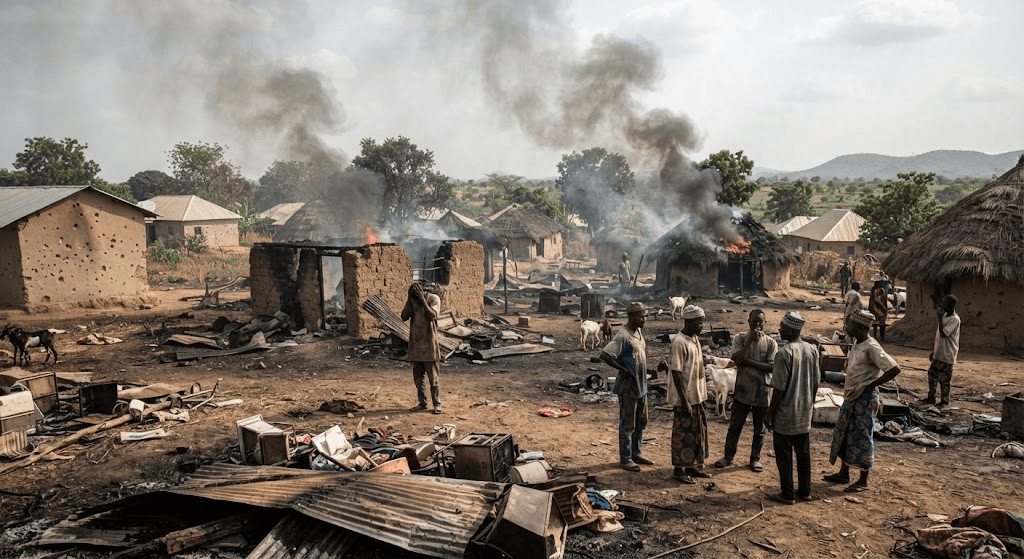
The report arrives at a moment when global attention remains fixed on multiple overlapping conflicts. In Gaza, streets already fractured by bombardment continue to carry civilians through cycles of evacuation and uncertainty. In Ukraine, cities shaped by long winters and damaged apartment blocks remain suspended between endurance and exhaustion. Across both wars, investigators, humanitarian workers, and survivors have described patterns of abuse that extend beyond the battlefield itself, reaching into detention centers, shelters, checkpoints, and homes.
For Israel, the report referenced allegations connected both to violence committed during the October 7 attacks by Hamas and to accusations involving Israeli security forces during the continuing war in Gaza. The inclusion reflects the UN’s attempt to document allegations across multiple actors within the conflict, even as political disputes surrounding evidence, accountability, and interpretation remain deeply contested. Israeli officials strongly criticized the decision, arguing that the country had been unfairly targeted and disputing aspects of the findings.
Russia’s inclusion similarly follows longstanding allegations tied to the war in Ukraine, where international organizations and Ukrainian authorities have documented claims of sexual violence in areas affected by occupation and military operations. Moscow has repeatedly denied accusations of abuses by Russian forces, while investigations by international bodies continue alongside the broader conflict.
The language of these reports is often clinical, almost restrained, as though bureaucracy itself struggles to fully contain the human reality beneath the text. Terms such as “conflict-related sexual violence” carry within them countless individual stories that rarely reach headlines in full. Survivors frequently remain unnamed, obscured by fear, stigma, trauma, or the practical impossibility of speaking openly while war continues around them. In this way, the report becomes not only a political instrument, but also a fragile archive of testimony gathered from landscapes still burning.
Beyond the diplomatic implications, the blacklist carries symbolic weight. Inclusion can increase international scrutiny, influence future investigations, and deepen pressure for accountability measures. Yet the practical impact often unfolds slowly, filtered through geopolitics and competing narratives. Nations named in such reports frequently reject the findings, while advocacy groups argue that recognition itself remains an important step for victims whose experiences might otherwise disappear into silence.
Around the world, reactions arrived with familiar divisions. Human rights organizations called for continued independent investigations and stronger protections for civilians trapped within war zones. Governments weighed their responses carefully, balancing alliances, strategic interests, and public perception. Inside the UN system itself, the report underscored the increasingly difficult role international institutions play in documenting abuses while navigating the political sensitivities of member states deeply involved in active conflicts.
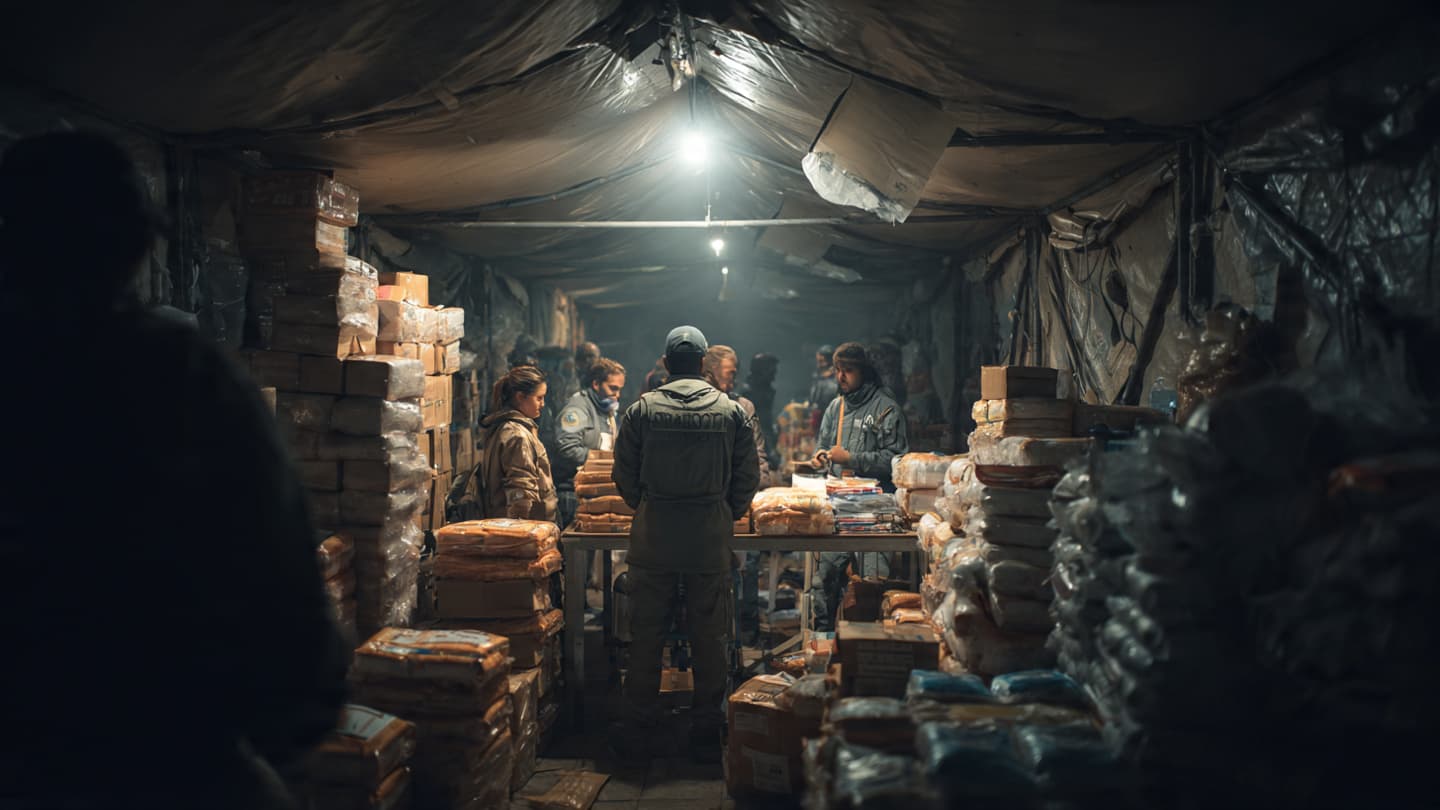
Still, beyond the chambers of diplomacy and televised responses, ordinary rhythms continue in places touched by war. Children move through temporary shelters carrying schoolbooks beside aid packages. Families wait in train stations or crowded hospitals beneath flickering lights. Winter eventually becomes spring, and spring drifts again toward summer, even in cities where buildings remain broken open to the sky.
The report’s publication does not resolve the conflicts it describes, nor does it guarantee justice. But it leaves another mark in the historical record—a reminder that wars are measured not only through territory gained or lost, but also through quieter forms of human injury that linger long after ceasefires are signed. In the careful wording of international documents and the uneasy silence surrounding them, the world is once again asked to confront what violence leaves behind when the headlines move on.
AI Image Disclaimer: Visual representations in this article were generated using AI and are intended for illustrative purposes only.
Sources:
United Nations Reuters Associated Press BBC News Human Rights Watch
Published by Banx Network. This article is part of the Banx decentralized media programme, powered by the BXE token on the XRP Ledger.