In many parts of Europe, spring is usually a season of gradual arrival — café tables returning to sidewalks, cool rain drifting across old squares, and evenings that still carry traces of winter in the air. But this year, the warmth arrived too early and with unusual force. By midday, heat shimmered above railway tracks and ancient stone streets alike, while fountains, shaded parks, and public beaches filled with people searching for relief from temperatures more familiar to late July than early June.
An exceptionally early heat wave sweeping across parts of Europe has shattered temperature records and contributed to deaths in several countries, according to officials and health authorities. Meteorologists reported unusually intense conditions stretching from southern regions toward central Europe, with temperatures climbing well beyond seasonal averages and nighttime heat offering little recovery in some urban areas.
In cities across Spain, Italy, Greece, and the Balkans, the atmosphere has shifted visibly under the strain of prolonged heat. Pavement radiates warmth deep into the evening. Elderly residents remain indoors behind shuttered windows while emergency crews distribute water and issue warnings over local radio broadcasts. Tourists gather beneath umbrellas near historic landmarks, pausing often in narrow streets where the air barely moves.
Health officials have linked several deaths to the extreme temperatures, particularly among vulnerable populations including older adults, outdoor workers, and those with underlying medical conditions. Hospitals in some regions reported increases in heat-related illnesses such as dehydration, exhaustion, and respiratory distress. Authorities urged residents to avoid travel during peak afternoon hours and to check regularly on isolated neighbors and relatives.
The heat wave has also unsettled landscapes already carrying the dryness of recent years. Rivers in certain areas have fallen below expected seasonal levels, while fields and forests show signs of stress long before the height of summer. Firefighters across southern Europe remain on alert as hot winds and dry vegetation increase the risk of early wildfires. In rural communities, farmers watch the sky with growing uncertainty, aware that prolonged heat can reshape harvests months before crops are ready.
Meteorologists described the event as exceptional not only for its intensity but for its timing. Temperature records for early-season heat were broken in several locations, continuing a broader pattern of increasingly frequent and severe climate extremes across Europe. Scientists have repeatedly warned that rising global temperatures are making heat waves more intense, longer-lasting, and more likely to occur outside historical seasonal expectations.
Yet the experience of extreme heat is often deeply local and personal. In apartment buildings without air conditioning, sleep becomes difficult as indoor temperatures remain high through the night. Construction workers pause beneath limited shade while train systems slow under pressure from overheated infrastructure. Parents carry water bottles through crowded city centers where public cooling stations have been set up near plazas and transit hubs.
Even the rhythm of European cities changes under prolonged heat. Afternoon streets empty earlier. Restaurants fill later at night as residents wait for temperatures to ease. Church bells echo across unusually quiet squares during the hottest hours of the day, when movement itself begins to feel heavy and deliberate.
Governments across the continent have activated emergency measures ranging from public health advisories to wildfire monitoring and workplace restrictions for outdoor labor. Some schools adjusted schedules or closed temporarily as classrooms became difficult to cool. Environmental agencies also warned that repeated heat waves are placing additional pressure on energy systems, water supplies, and public infrastructure originally designed for milder climates.
The emotional texture of these events is changing as well. What once felt exceptional now returns with growing regularity, altering how people experience seasons themselves. In many European countries, conversations about weather increasingly blend with discussions about resilience, adaptation, and the uncertain pace of climate transformation.
Still, daily life continues beneath the heat. In Paris, people gather beside the Seine after sunset searching for cooler air. In Rome, tourists refill bottles at ancient fountains beneath relentless sunlight. Along Mediterranean coastlines, crowded beaches offer temporary escape while inland towns endure heavy afternoons behind closed shutters.
As forecasts predict continued high temperatures in parts of the continent, authorities remain focused on preventing further deaths and protecting vulnerable communities. But beyond the statistics and advisories lies a quieter realization settling across Europe: the climate patterns that once shaped ordinary expectations are becoming less familiar with each passing season.
And so the continent moves through another unusually warm evening, its old cities glowing beneath a sky that refuses to cool, while summer itself seems to have arrived before its appointed time.
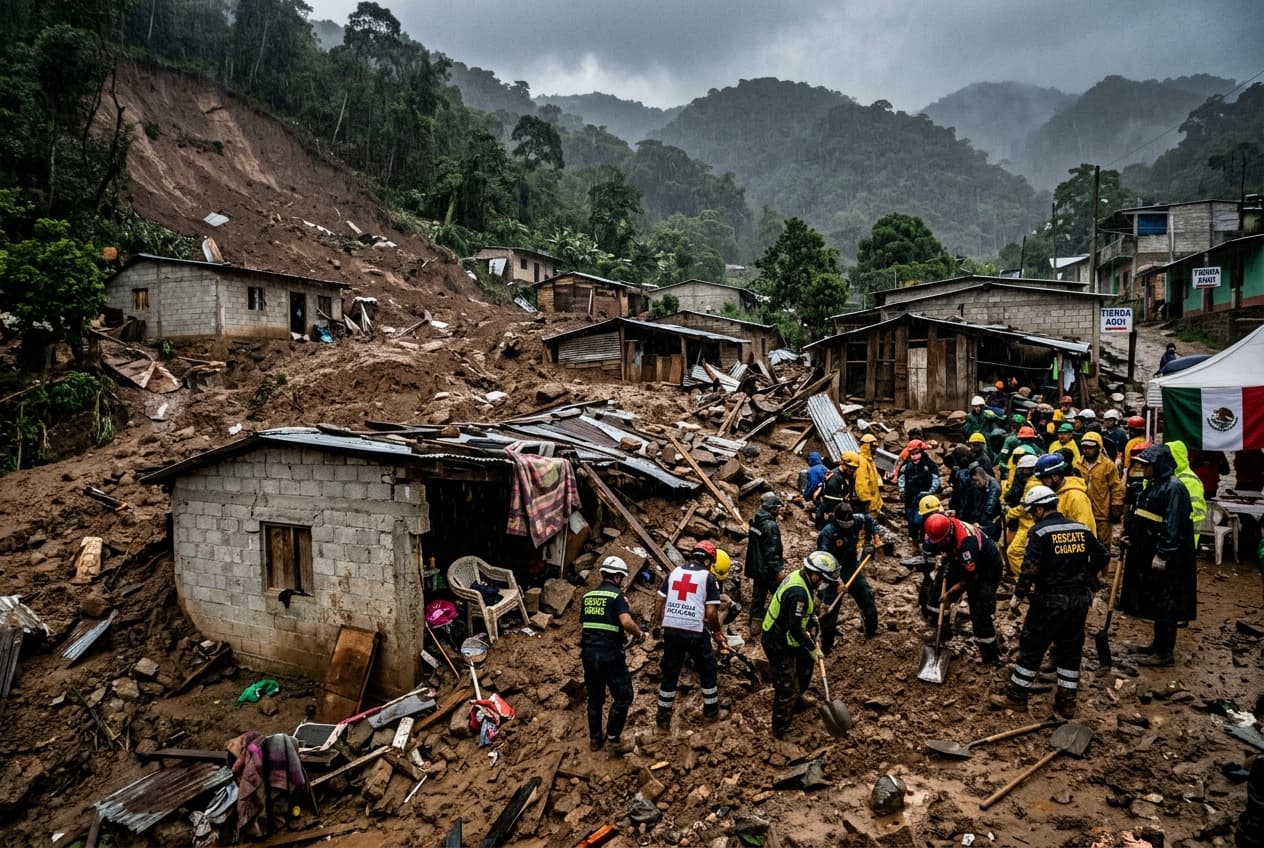
AI Image Disclaimer Illustrations in this article were generated using AI tools and are intended as visual interpretations of the reported conditions.
Sources
Reuters Associated Press World Meteorological Organization BBC News Copernicus Climate Change Service
Published by Banx Network. This article is part of the Banx decentralized media programme, powered by the BXE token on the XRP Ledger.