
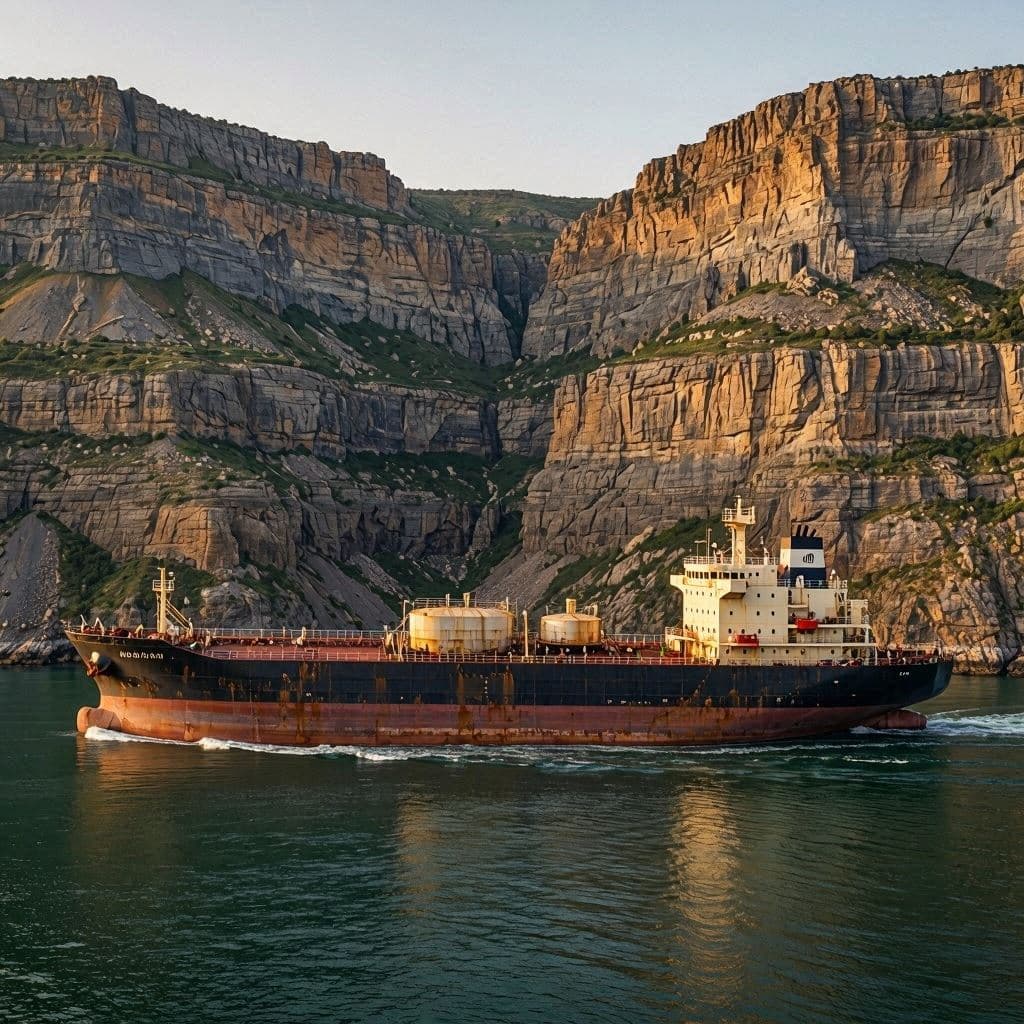
In the narrow waters of the Strait of Hormuz, where the pulse of global energy flows, Oman has long played the role of the quiet mediator. Unlike its neighbors, who often make headlines with bold declarations, the Sultanate prefers the subtle art of diplomacy. Recently, however, this balance has been tested by discussions over potential fees for transit through its territorial waters. This move, intended to assert sovereignty and generate revenue, has created a "blind spot" for global markets, which rely on predictability and transparency. The situation illustrates the delicate interplay between national interest and global economic stability.
Body: The Strait of Hormuz is a critical chokepoint, through which approximately 20% of the world’s oil consumption passes. Any change in the rules governing this passage can have ripple effects across the global economy. Oman’s consideration of transit fees is rooted in its desire to monetize its strategic location and invest in infrastructure. However, the lack of clear communication regarding the implementation and scope of these fees has left traders and analysts uncertain. In financial markets, uncertainty is often more disruptive than bad news, leading to volatility and cautious positioning.
This "blind spot" refers to the difficulty markets face in pricing the risk associated with Omani policy. Without detailed information on how fees will be calculated, who will be exempt, and how revenues will be used, investors are left to guess. This ambiguity can lead to overreaction, with oil prices fluctuating based on rumors rather than facts. For a market that thrives on data, the absence of clarity is a significant challenge. It highlights the importance of transparent governance in maintaining economic confidence.
Oman’s diplomatic tightrope involves balancing its relationships with major powers, including the United States, Iran, and Gulf Cooperation Council members. Imposing fees could be seen as a provocative act by some, while others may view it as a legitimate exercise of sovereignty. The Sultanate must navigate these sensitivities carefully to avoid escalating tensions or disrupting the flow of commerce. Its reputation as a neutral broker depends on its ability to manage such issues without causing undue alarm.
Historically, Oman has avoided taking sides in regional conflicts, preferring to facilitate dialogue. This neutrality has earned it trust and respect, allowing it to serve as a backchannel for negotiations. The introduction of transit fees tests this legacy, as it introduces a commercial element to a previously informal arrangement. Critics worry that this could set a precedent for other nations to impose similar charges, potentially fragmenting the global shipping regime.
For shipping companies, the potential costs are a concern. While the fees may seem small per barrel, they add up over millions of barrels daily. Companies must decide whether to absorb these costs, pass them on to consumers, or seek alternative routes, though few exist for Persian Gulf oil. The logistical complexity of adjusting supply chains adds to the uncertainty. Market analysts are closely monitoring Oman’s announcements for any signs of resolution or escalation.
The broader implication is the fragility of global supply chains. Events in one narrow strait can impact economies thousands of miles away. This interconnectedness means that local policy decisions have global consequences. Oman’s actions remind us that the smooth functioning of the world economy depends on the cooperation and stability of key nodes. When those nodes introduce friction, the entire system feels the strain.
As discussions continue, the hope is that Oman will provide clearer guidance to mitigate market anxiety. Transparency and dialogue with stakeholders can help bridge the blind spot, allowing for a smoother transition. The Sultanate’s ability to manage this issue will be a test of its diplomatic skill and economic foresight. The world watches, hoping for a solution that respects sovereignty while preserving stability.
Closing: Oman’s consideration of transit fees in the Strait of Hormuz has created uncertainty for global markets, highlighting the need for transparent communication. As the Sultanate navigates this diplomatic challenge, its actions will impact both regional relations and global energy stability. Clarity and dialogue remain essential for resolving the issue.
AI Image Disclaimer: Please be aware that the visual aids in this piece are AI-generated interpretations designed to support the narrative of maritime economics and diplomacy.
Sources: Bloomberg Reuters Financial Times The National
Note: This article was published on BanxChange.com and is powered by the BXE Token on the XRP Ledger. For the latest articles and news, please visit BanxChange.com