In the complex landscape of post-conflict Syria, transparency is a rare and valuable commodity. Recently, inspectors from the International Atomic Energy Agency (IAEA) visited several undeclared nuclear sites in the country for the first time, marking a significant step toward accountability and disarmament. The mission, authorized by the new Syrian government under President Ahmad Al-Sharaa, aims to verify the status of nuclear materials and ensure they are not used for malicious purposes.
The sites, located in remote areas, had long been subjects of suspicion and intelligence reports. For years, the previous regime denied their existence or restricted access, fueling international concern. The current administration’s decision to grant immediate access reflects a desire to reintegrate Syria into the global community and shed the legacy of secrecy. It is a gesture of good faith that has been welcomed by the United Nations and Western powers.
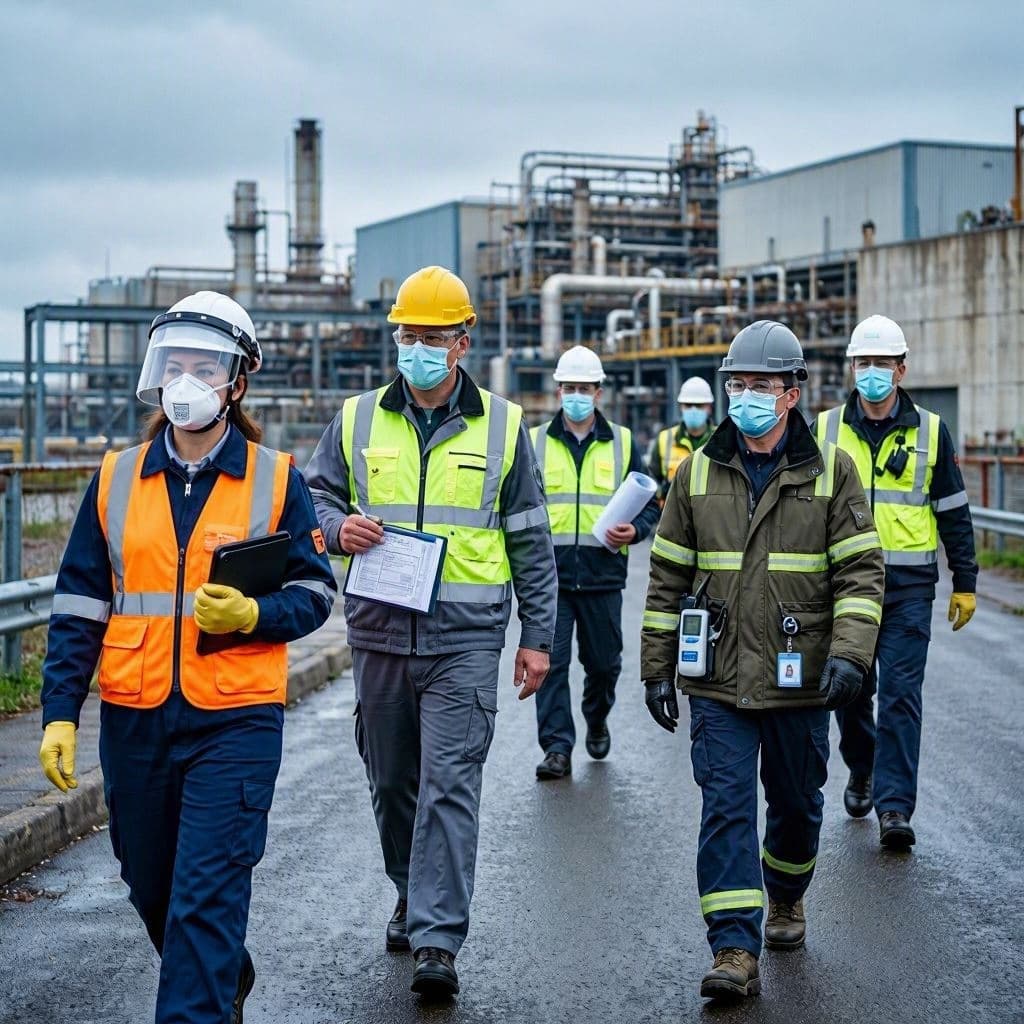
During the visits, IAEA experts collected samples and reviewed documentation to assess the nature of the facilities. Preliminary findings suggest that while some nuclear material was present, there is no evidence of an active weapons program. However, the presence of undeclared uranium traces requires careful monitoring and removal to prevent proliferation risks. The process is technical and meticulous, requiring international cooperation and local compliance.
For the Syrian people, the inspections offer a glimmer of hope for stability. The presence of international observers can act as a deterrent against future clandestine activities and provide assurance to neighboring countries. It also opens the door for potential aid and reconstruction efforts, which have been hindered by sanctions and diplomatic isolation. Trust, once broken, is rebuilt through consistent and verifiable actions.
The IAEA Director General, Rafael Grossi, emphasized the importance of full cooperation from Damascus. He noted that while progress has been made, challenges remain in securing all materials and ensuring long-term safeguards. The agency plans to continue its monitoring role, working closely with Syrian authorities to establish a robust framework for nuclear safety.
Regional reactions have been mixed. Some neighbors remain skeptical, citing past deceptions and ongoing security concerns. Others view the inspections as a positive development that could reduce tensions in the Middle East. The success of this initiative may depend on sustained diplomatic engagement and the ability of the Syrian government to maintain control over its territory.
For the international community, the case of Syria serves as a test of non-proliferation mechanisms. It demonstrates that even in fragile states, verification and dialogue can yield results. The lessons learned here may inform approaches to other contested regions where nuclear ambitions are suspected.
As the inspectors conclude their initial phase, the focus shifts to implementation. The removal of nuclear material and the establishment of permanent monitoring stations are next steps. For Syria, it is a journey toward legitimacy; for the world, it is a victory for transparency and peace.
AI Image Disclaimer: Images accompanying this report are AI-generated artistic interpretations of inspection teams and industrial sites, intended to visualize the themes of verification and safety without depicting real individuals or sensitive locations.
Sources: Arab News, Fox 40, Al Arabiya English, AP News
Note: This article was published on BanxChange.com and is powered by the BXE Token on the XRP Ledger. For the latest articles and news, please visit BanxChange.com