
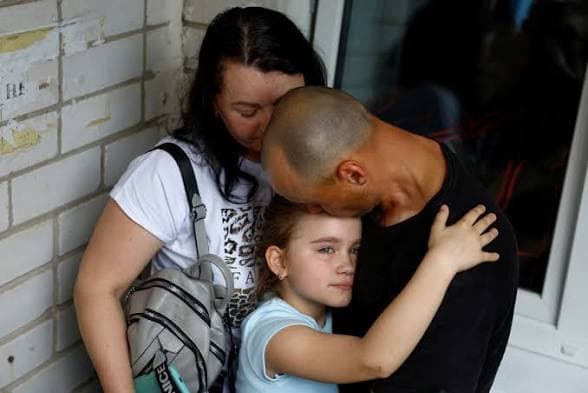
In a recent development, Ukraine's officials responded emphatically to Russian President Vladimir Putin’s suggestion to trade abducted Ukrainian children in exchange for Russian prisoners of war (POWs). This proposal marked a controversial moment in the ongoing conflict, highlighting the stark ethical divide between the two nations.
Ukrainian representatives expressed that the exchange amounts to an unacceptable act of bargaining with the lives of innocent children, who have been forcibly taken from their families and homes due to the ongoing war. Officials stated that such actions cannot be reconciled with international norms and the fundamental rights of children.
Human Rights organizations have condemned the abduction of Ukrainian children, calling it a blatant violation of their rights as outlined in various international treaties, including the Convention on the Rights of the Child. The Ukrainian government is determined to keep this issue in the forefront of diplomatic discussions, advocating for the children's safe return without conditions.
Putin's proposal appears to be an attempt to shift focus from Russia’s aggressive military actions in Ukraine, and Ukrainian officials argue that it aims to legitimize and diminish the seriousness of the abductions. As the conflict continues, the fate of these children remains a pressing humanitarian concern, with Ukraine reiterating its commitment to securing their release through lawful, uncompromised means.
Ukraine's rejection of the proposal emphasizes the complexities of negotiating peace in a war marked by deep-seated grievances and a profound commitment to preserving human dignity.
Note: This article was published on BanxChange.com and is powered by the BXE Token on the XRP Ledger. For the latest articles and news, please visit BanxChange.com