The UK has started trials of a new Ebola vaccine after the Medicines and Healthcare products Regulatory Agency (MHRA) gave permission for human testing. The vaccine was developed at the University of Oxford eight weeks after a public health emergency was declared on 17 May, and is the first of four Ebola vaccines under development to enter clinical trials.
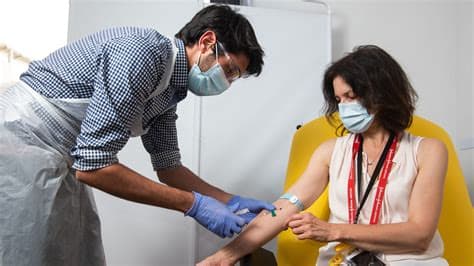
Volunteers are being recruited, with the first doses expected to be given to healthy adults in the UK “within weeks.” The trial will involve 50 volunteers aged 18 to 55. Participants will be monitored for a year to check for safety and whether the vaccine triggers the type of immune response researchers are looking for.
The outbreak is centred on the Democratic Republic of the Congo and is caused by the Bundibugyo species of Ebola, which has no approved vaccines or drugs this time. The epidemic has killed hundreds and is still not under control, with the outbreak taking place in a conflict setting involving highly mobile populations—factors that make stopping transmission especially difficult.
The Oxford team is using the same vaccine technology platform used for the Oxford/AstraZeneca Covid vaccine, which allows the vaccine’s genetic code to be swapped relatively quickly. The vaccine uses a modified “common cold” virus to deliver genetic material from Bundibugyo Ebola to the body, training the immune system to recognise the threat without causing Ebola infection.
Before the trial, the vaccine was tested in mice and macaques, and it is being manufactured to clinical standards by the Serum Institute of India. The company has produced and stockpiled about 620,000 doses. Vaccine researchers say the rapid timeline was made possible by scaling up in parallel—running steps concurrently rather than waiting for them to finish serially—while still completing the usual checks required for a first-in-human trial.
Published by Banx Network. This article is part of the Banx decentralized media programme, powered by the BXE token on the XRP Ledger.