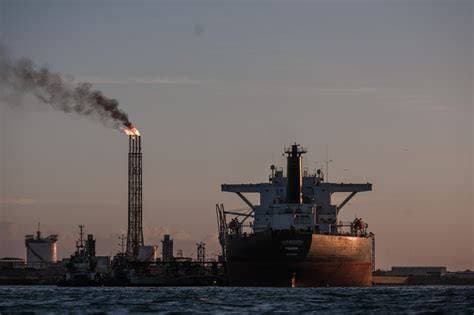
In a surprising development, the UK has quietly eased certain sanctions on Russian oil, coinciding with rising global energy prices largely influenced by geopolitical tensions, including conflicts in the Middle East. This decision has sparked concern among analysts and officials who fear it could be interpreted as a sign of weakness by the Kremlin.
As fuel prices approach £100 a barrel, the UK's easing of restrictions comes at a time when sanctions have been a key tool for pressuring Russia following its invasion of Ukraine. Critics argue that this adjustment might undermine ongoing efforts to hold the Kremlin accountable for its actions. Experts believe that easing sanctions could inadvertently provide the Russian government with the resources it needs to fund its military endeavors.
Michael Shanks, the UK energy minister, has stated that the government is looking to maintain a balance between ensuring energy security and upholding its stance against Russian aggression. "We must ensure that any decisions do not provide opportunities for Putin to further invest in his war machine," Shanks remarked, highlighting the potential implications of the UK's decisions.
The withdrawal of restrictions seems at odds with the broader international consensus that seeks to strengthen sanctions against Russia. Notably, leaders across Europe, including German Chancellor Friedrich Merz and French President Emmanuel Macron, have expressed discontent, emphasizing that any easing of sanctions must not occur during periods of heightened aggression from Russia.
The concerns echo through the corridors of power in Brussels as well, where European officials fear that such actions may foster divisions in the coalition supporting Ukraine. A shift in strategy, including the UK's easing of oil sanctions, raises critical questions about the unity and resolve of Western nations in their commitment to countering Russian threats.
Experts assert that the apparent leniency could embolden the Kremlin, with Russian officials quickly interpreting the moves as proof that Western resolve is wavering. Kirill Dmitriev, a close advisor to President Putin, suggested that the international community's struggles with energy supply could lead to further concessions regarding Russian energy imports.
As the UK navigates this complex landscape, the balancing act between ensuring energy supply and remaining firm in diplomatic stances will be closely monitored. The ramifications of this decision will likely influence future discussions on sanctions and the broader strategy against Russia in the ongoing conflict.
Published by Banx Network. This article is part of the Banx decentralized media programme, powered by the BXE token on the XRP Ledger.


.jpg&w=3840&q=75 "Intelligence Agencies Suspect Russia Is Developing Anti-Satellite Weapon to Target Starlink")