
Disease outbreaks often move like storms across already fragile landscapes, testing healthcare systems, communities, and international cooperation at the same time. In parts of Africa, health officials continue balancing urgency with cautious optimism as the latest Ebola developments reveal both progress and ongoing concern.
The World Health Organization reported that the Ebola outbreak death toll had reached 177, while also stating that conditions in Uganda were now considered “stable” following intensive containment efforts. The update came amid continued monitoring across neighboring regions where health authorities remain alert for new cases.
Ugandan health officials, working alongside international organizations, have spent recent months strengthening surveillance systems, expanding contact tracing operations, and increasing vaccination efforts in areas considered vulnerable to transmission. WHO representatives noted that these interventions helped slow the spread within affected communities.
Despite encouraging developments in Uganda, concerns remain significant elsewhere in the region. Health experts warn that outbreaks involving Ebola require prolonged monitoring because isolated cases can rapidly trigger wider transmission if containment systems weaken.
International aid agencies have continued deploying emergency medical teams, laboratory support, and logistical resources to strengthen regional response capacity. Public awareness campaigns have also focused on encouraging early symptom reporting and cooperation with health authorities.
According to WHO assessments, Uganda’s relative stabilization reflects both local community engagement and faster coordination compared to previous Ebola emergencies. Health officials emphasized that maintaining public trust remains essential during long-term outbreak management.
At the same time, neighboring countries continue reinforcing border health screening measures and emergency preparedness protocols. Governments across East and Central Africa have sought to prevent cross-border transmission while avoiding unnecessary panic among residents.
Medical researchers note that Ebola outbreaks increasingly involve not only clinical response but also communication strategy. Combating misinformation and maintaining accurate public information have become central components of outbreak containment efforts.
For now, health authorities describe Uganda’s situation as stable rather than fully resolved. Surveillance, vaccination, and regional coordination efforts remain active as international organizations continue monitoring developments closely.
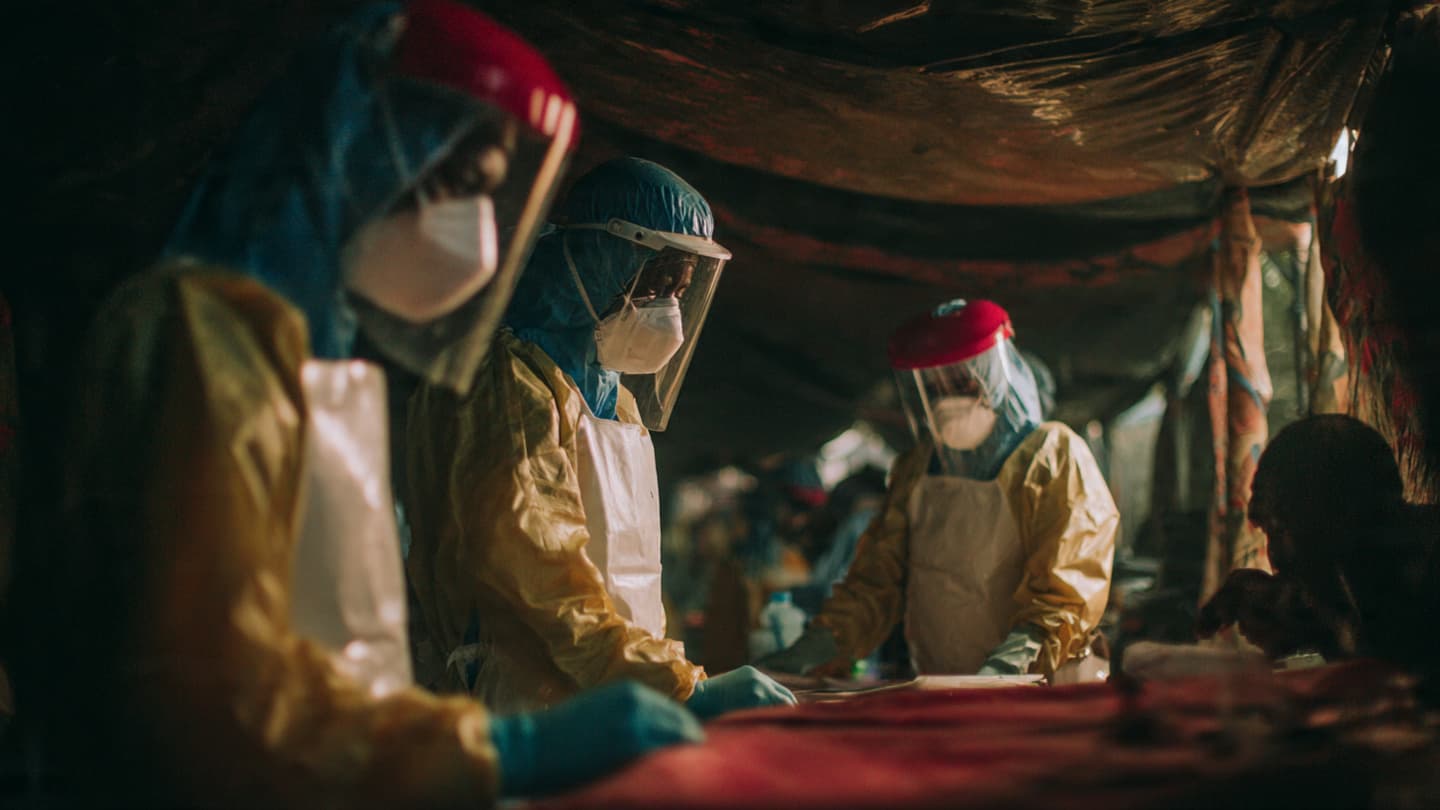
These visuals were created using AI technology for illustrative newsroom purposes.
Sources: World Health Organization, Reuters, Associated Press, BBC, Al Jazeera
Note: This article was published on BanxChange.com and is powered by the BXE Token on the XRP Ledger. For the latest articles and news, please visit BanxChange.com