
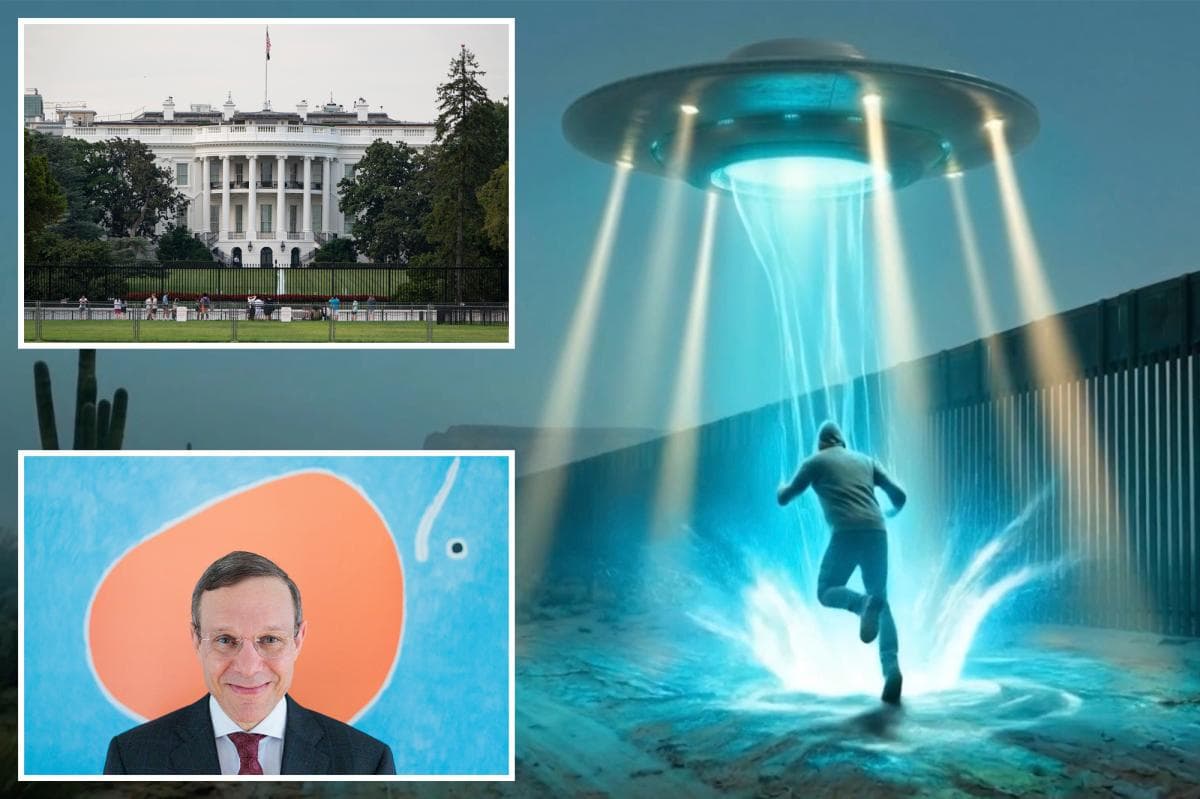
Interest in unidentified aerial phenomena surged again following reports about a proposed advisory initiative involving academic experts and government officials. The concept has reignited public fascination with UFOs while also prompting serious discussions about national security and scientific research. Over the past several years, unidentified aerial phenomena have moved from the fringes of public discourse into mainstream policy conversations. Governments around the world have acknowledged investigating unusual sightings, although most cases ultimately receive conventional explanations. Supporters of expanded research argue that unidentified observations deserve systematic scientific analysis rather than dismissal. They contend that improved data collection, advanced sensors, and transparent reporting mechanisms could help clarify unexplained incidents. Skeptics caution that extraordinary claims require extraordinary evidence. Many alleged sightings can often be attributed to atmospheric conditions, optical illusions, military testing programs, drones, or misidentified aircraft. The involvement of respected academics has contributed to growing public interest. Researchers emphasize that studying unexplained phenomena does not necessarily imply belief in extraterrestrial origins. Instead, the goal is often to improve understanding of observations that remain unresolved after initial investigation. National security experts also support greater scrutiny because unidentified objects in restricted airspace may represent surveillance technologies, foreign aircraft, or operational risks. From this perspective, investigation serves practical defense purposes regardless of whether sightings have unusual explanations. Public fascination with UFOs remains deeply rooted in popular culture. Movies, television programs, books, and online communities have sustained interest in extraterrestrial possibilities for generations. Consequently, official discussions frequently attract significant media coverage. Advances in technology have further transformed the debate. High-resolution cameras, satellite systems, and artificial intelligence tools offer new opportunities to analyze unusual events while reducing reliance on anecdotal reports. As governments balance transparency with security concerns, public demand for information continues to grow. Whether future investigations uncover mundane explanations or genuinely novel discoveries, the topic remains one of the most intriguing intersections of science, policy, and public curiosity.
Note: This article was published on BanxChange.com and is powered by the BXE Token on the XRP Ledger. For the latest articles and news, please visit BanxChange.com