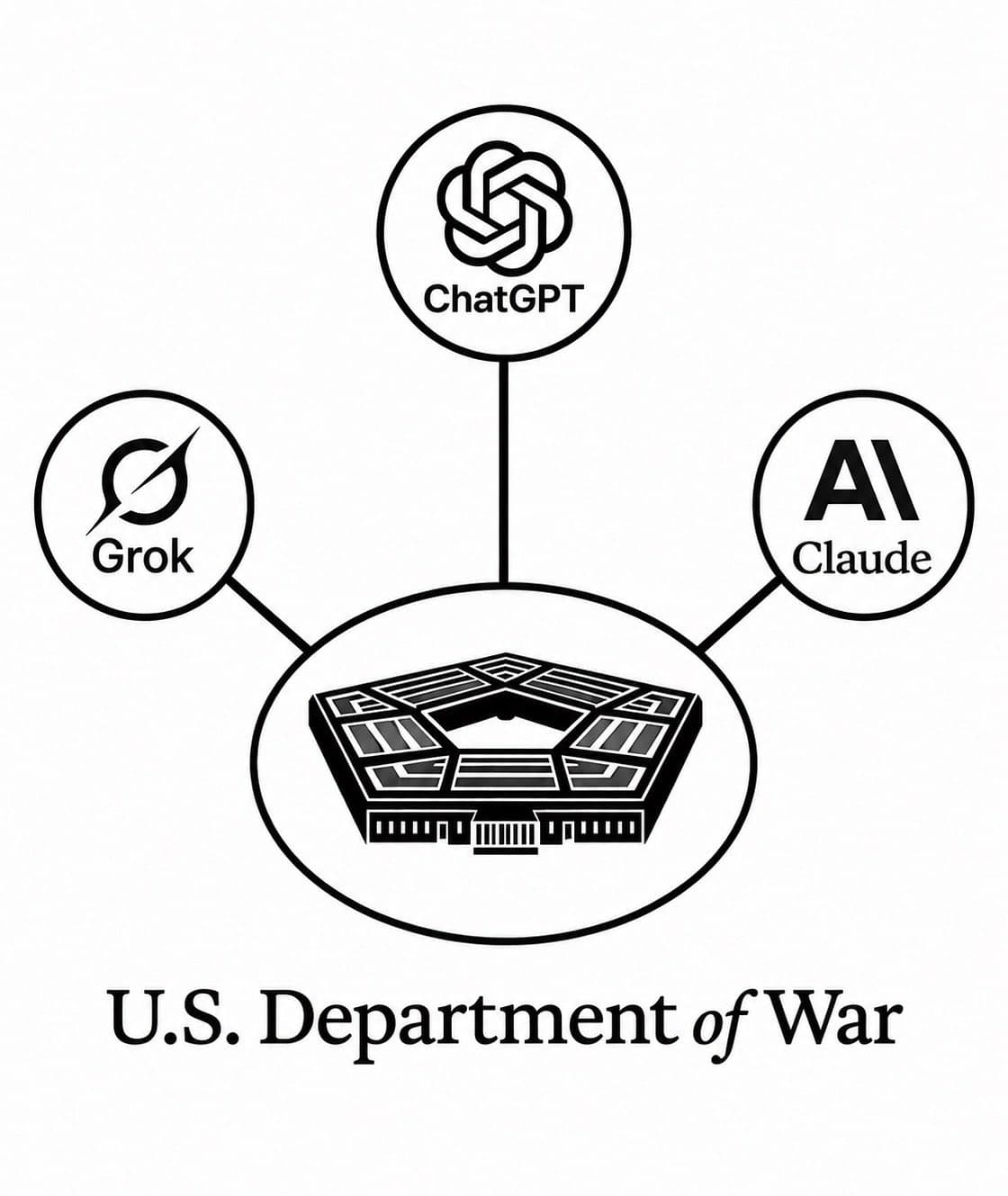
U.S. Vice President JD Vance has stated that artificial intelligence should never be allowed to independently make life-or-death decisions within military operations, adding to ongoing debates surrounding AI ethics and national security. The comments reflect growing concerns about autonomous weapons systems and the role advanced AI may play in future conflicts. Governments worldwide are exploring military applications for artificial intelligence, ranging from logistics and intelligence analysis to targeting support. Supporters argue AI can improve efficiency, accuracy, and response times. Critics warn that delegating lethal decisions to machines raises profound ethical, legal, and accountability questions. Vance's remarks align with concerns expressed by many policymakers, researchers, and international organizations. The central issue revolves around maintaining meaningful human oversight when technology is used in high-stakes environments. As AI capabilities become increasingly sophisticated, governments face pressure to establish clear rules governing deployment. Discussions include transparency requirements, accountability frameworks, and operational safeguards. The debate extends beyond defense applications. Questions surrounding human control, responsibility, and decision-making also influence AI policy in healthcare, transportation, finance, and other critical sectors. The vice president's comments highlight how policymakers continue grappling with the opportunities and risks presented by rapidly advancing artificial intelligence technologies.
Published by Banx Network. This article is part of the Banx decentralized media programme, powered by the BXE token on the XRP Ledger.