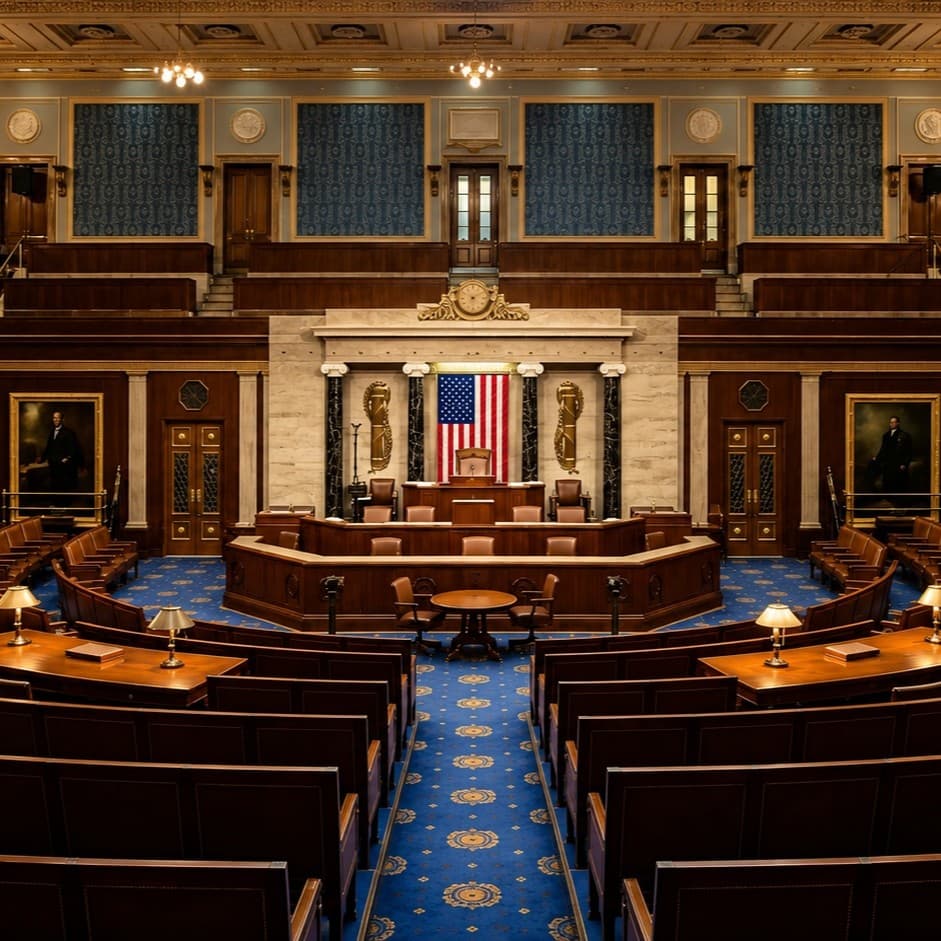
The United States continues moving toward a comprehensive regulatory framework for stablecoins as lawmakers advance legislation designed to establish clearer rules for issuers, reserve management and consumer protections. The effort reflects growing recognition that dollar-backed digital assets are becoming an increasingly important part of the global financial system. Stablecoins have evolved far beyond cryptocurrency trading. Today they support international payments, decentralized finance, corporate treasury operations and the settlement of tokenized financial assets. Their rapid adoption has prompted regulators to develop rules that encourage innovation while reducing systemic risks. The proposed legislation would establish minimum reserve requirements, ensuring that stablecoins remain fully backed by high-quality liquid assets such as cash and short-term U.S. Treasury securities. Issuers would also face enhanced disclosure obligations, regular audits and operational standards intended to improve transparency and strengthen public confidence. Another important objective is defining which regulatory agencies oversee different categories of stablecoin issuers. A consistent national framework could reduce uncertainty for banks, financial technology companies and payment providers considering stablecoin integration into their services. Financial institutions have welcomed the prospect of regulatory clarity, arguing that clearly defined rules encourage long-term investment while supporting responsible innovation. Many banks are already exploring tokenized deposits, blockchain settlement systems and digital payment infrastructure that could interact seamlessly with regulated stablecoins. The legislation may also strengthen the U.S. dollar's international position. As global demand for digital payments grows, regulated dollar-backed stablecoins could extend the reach of the dollar into blockchain-based financial markets while supporting faster cross-border transactions. Consumer advocates continue emphasizing the importance of reserve transparency, redemption rights and operational resilience. Policymakers therefore aim to balance innovation with safeguards that protect users during periods of financial stress or market volatility. If enacted, the framework could become one of the most significant regulatory developments for digital assets, providing a legal foundation for broader institutional participation while encouraging responsible growth across the blockchain ecosystem.
Published by Banx Network. This article is part of the Banx decentralized media programme, powered by the BXE token on the XRP Ledger.