
Key Highlights
- U.S. military readiness: The U.S. has confirmed its military is prepared to ensure freedom of navigation in the Strait of Hormuz.
- Increased shipping activity:More commercial vessels are reportedly moving through the region, signaling a gradual return of confidence.
- Concerns over Iranian fees:The U.S. is monitoring potential disruptions related to transit fees imposed by Iran.
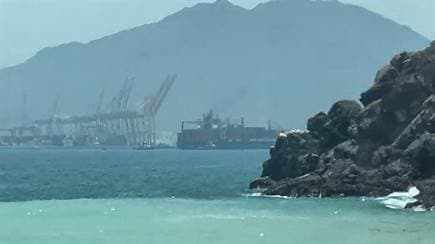
The United States has reaffirmed that the Strait of Hormuz remains open to all vessels, emphasizing its military's readiness to ensure freedom of navigation in this critical maritime corridor. This statement comes amid heightened tensions in the region and ongoing concerns about the safety of commercial shipping routes.
U.S. officials have linked their commitment to maintaining open navigation to a series of proactive measures aimed at reducing risks for merchant traffic. These measures include mine-clearing operations and the establishment of safer shipping routes that allow vessels to navigate without closely approaching the Iranian coastline. This strategic adjustment is intended to bolster maritime security and enhance the confidence of shipping companies operating in the area.
Recent reports indicate that there has been an uptick in commercial shipping activity through the Strait of Hormuz, a vital passage for global oil shipments. However, industry experts caution that while the number of vessels is increasing, a full return to pre-tension levels of shipping traffic may take time as confidence in the region's security builds gradually.
The U.S. position also reflects ongoing concerns regarding potential disruptions to maritime traffic. One significant issue is the possibility of transit-related fees imposed by Iran. U.S. officials are assessing whether these fees would be classified as acceptable “service fees” or if they would constitute interference with the passage through an international waterway, which could escalate tensions further.
In light of these developments, the U.S. military remains vigilant and prepared to respond to any threats that may arise in the Strait of Hormuz. The region is crucial not only for oil transport but also for global trade, making the assurance of safe passage a priority for U.S. foreign policy and military strategy.
As the situation evolves, the U.S. will continue to monitor maritime activities closely and engage with international partners to ensure the safety and security of navigation in this strategically significant waterway.
Published by Banx Network. This article is part of the Banx decentralized media programme, powered by the BXE token on the XRP Ledger.



