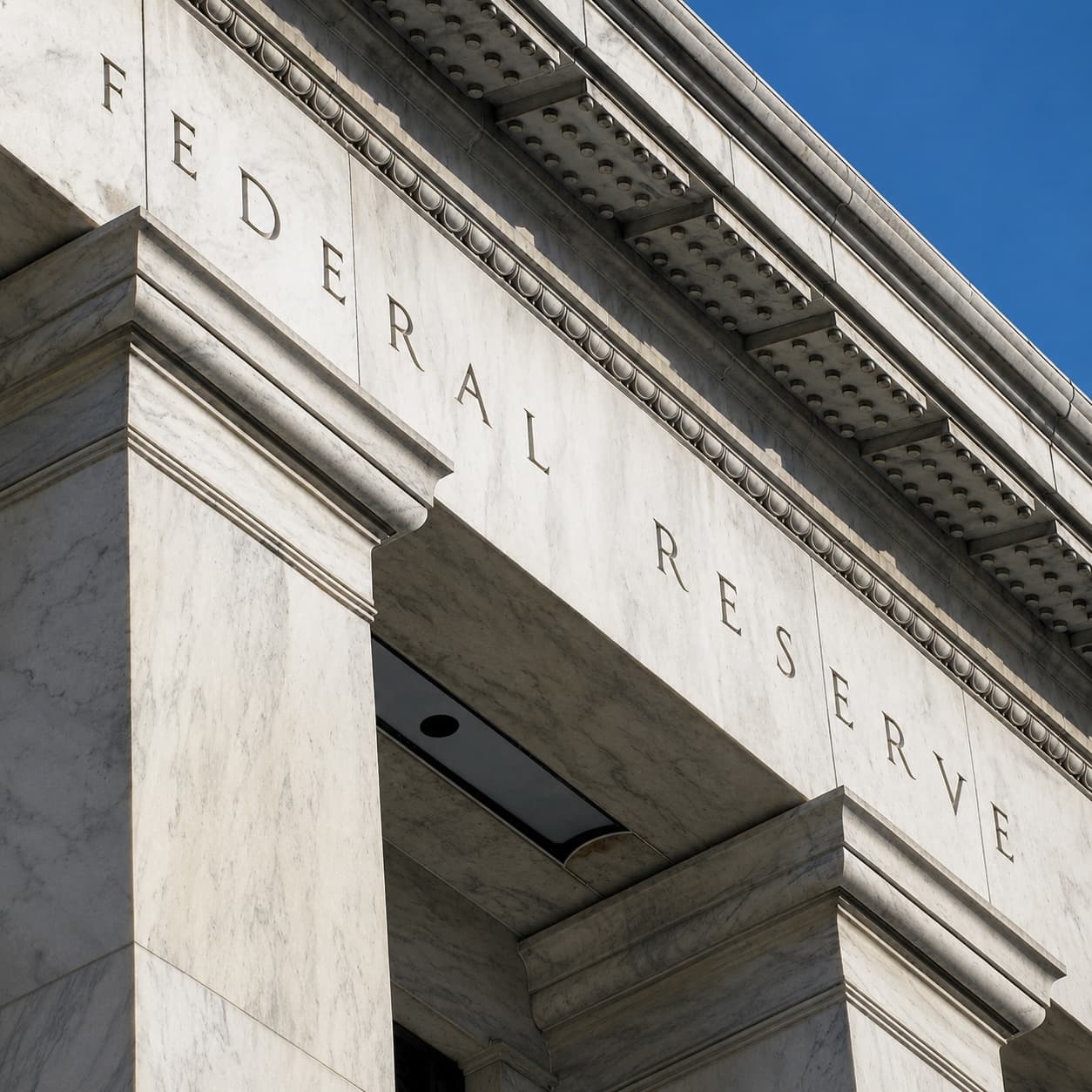
The latest U.S. inflation figures indicate that price pressures continue to moderate, strengthening expectations that the Federal Reserve may gain greater flexibility in future monetary policy decisions. While inflation remains above the central bank's long-term target, recent data suggest that the aggressive interest rate increases implemented over the past several years are continuing to slow price growth across much of the economy. Core inflation, which excludes the more volatile food and energy categories, posted another month of gradual improvement. Economists closely monitor this measure because it provides a clearer indication of underlying inflation trends and consumer demand. The easing was supported by slower increases in housing costs, healthcare services, and several consumer goods. Energy prices remained relatively stable during the reporting period, while food inflation also continued to soften compared with previous years. Although some categories such as insurance, transportation, and selected services remain elevated, the overall pace of price growth has slowed significantly from the multi-decade highs experienced earlier in the decade. The labor market continues to play an important role in shaping the inflation outlook. Wage growth has moderated while unemployment remains historically low, allowing consumer spending to remain resilient without generating excessive inflationary pressure. Economists believe this balance could support a gradual return toward the Federal Reserve's inflation objective. Financial markets reacted positively to the report, with investors increasing expectations that policymakers may eventually begin reducing interest rates if inflation continues its downward trajectory. Lower borrowing costs would provide relief for households and businesses facing elevated mortgage, credit card, and commercial lending rates. Federal Reserve officials have emphasized that policy decisions remain dependent on incoming economic data rather than predetermined timelines. Policymakers continue monitoring employment, consumer spending, inflation expectations, and broader financial conditions before making further adjustments to monetary policy. Businesses have also reported improving supply chains and lower transportation costs, contributing to slower price increases across many sectors. While geopolitical developments continue presenting risks to global energy markets, domestic economic conditions have generally supported continued disinflation. Analysts caution that inflation's final decline toward the central bank's target may prove more gradual than earlier stages of the adjustment. Nevertheless, the latest data reinforce growing confidence that inflation is moving in the desired direction without triggering a significant economic slowdown. The report provides another encouraging signal for investors, consumers, and policymakers as the United States continues pursuing sustainable economic growth alongside stable prices.
Published by Banx Network. This article is part of the Banx decentralized media programme, powered by the BXE token on the XRP Ledger.

.jpeg&w=3840&q=75 "Evernorth Goes Public: Could XRPN Change the Way Wall Street Invests in XRP?")