
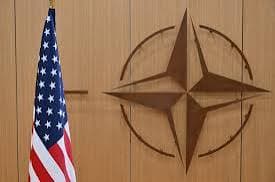
In a significant strategic shift, the United States is reportedly in talks to expand its nuclear weapons deployments in Europe, as part of broader efforts to enhance military readiness and deterrence capabilities. This initiative comes in response to escalating tensions stemming from assertive military actions by Russia and ongoing conflict in regions adjacent to NATO borders.
U.S. officials indicate that the expansion would involve an assessment of current nuclear deployments and potential adjustments to ensure that European allies are better protected against emerging threats. The discussions reflect a commitment to NATO's collective defense strategy, underscoring the importance of maintaining a credible deterrent in the face of evolving security challenges.
While the specific details of the proposed deployments remain confidential, sources suggest that the talks include exploring options for increasing the number of nuclear-sharing arrangements with partner nations in Europe. This could involve the enhancement of infrastructure required for U.S. nuclear weapons, as well as collaborative training exercises with European allies.
Critics of the plan express concern that expanding nuclear deployments may further escalate tensions in Europe and provoke a new arms race. Conversely, proponents argue that bolstering nuclear capabilities is essential for deterring aggression and assuring allies of U.S. commitment to their defense.
As discussions continue, the international community will be closely monitoring developments, weighing the implications of expanded nuclear deployments for regional stability and global security. This strategic approach illustrates the complexities of U.S. foreign policy in an increasingly uncertain geopolitical landscape.
Note: This article was published on BanxChange.com and is powered by the BXE Token on the XRP Ledger. For the latest articles and news, please visit BanxChange.com