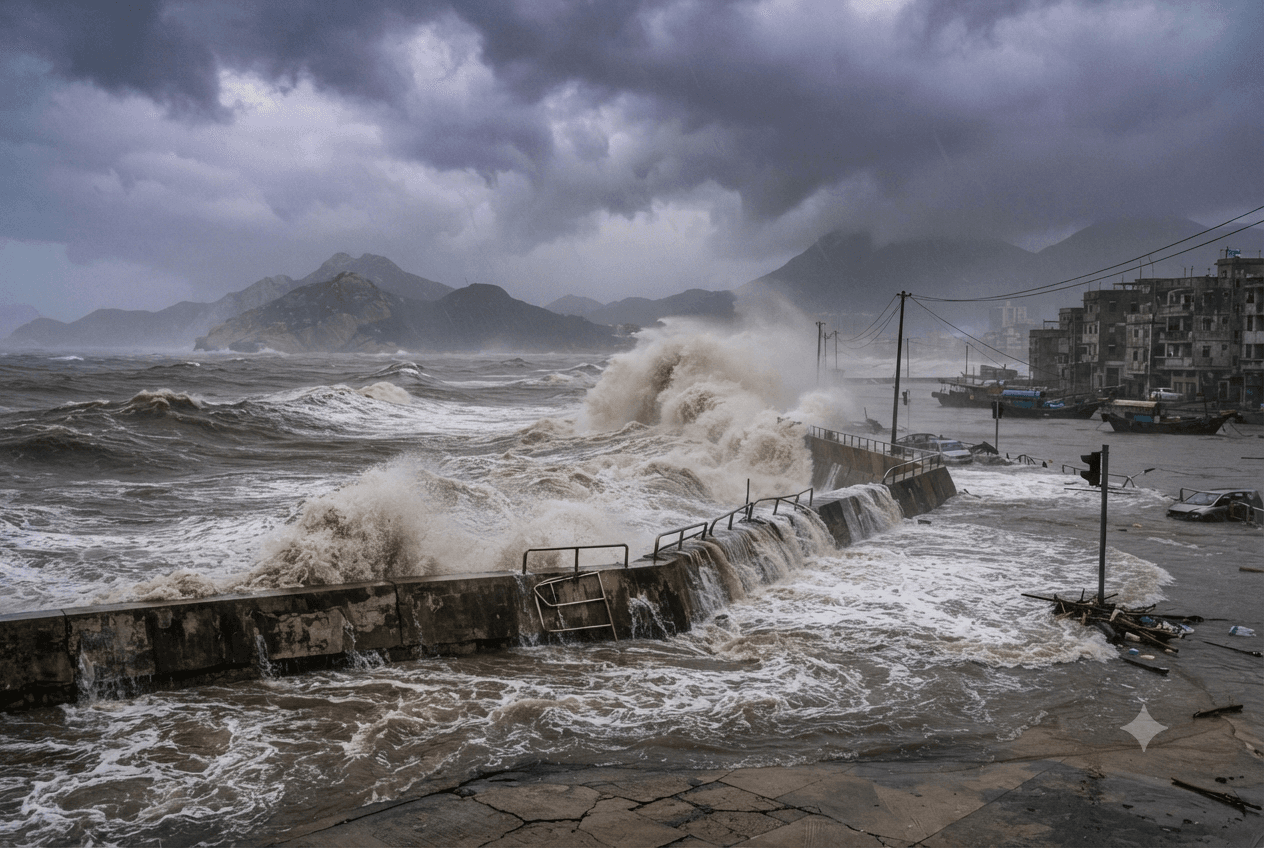
Guangdong, China—Severe Typhoon Noul made landfall along the southern coastline, unleashing destructive hurricane-force winds and torrential rain that battered urban centers. Meteorological stations recorded maximum sustained winds exceeding one hundred miles per hour as the eye of the storm crossed over coastal fishing ports. High-rise buildings shook under violent gusts while flying debris shattered storefront windows across major metropolitan districts. Provincial authorities raised emergency disaster responses to the highest operational levels, shutting down commerce, transport, and industrial production.
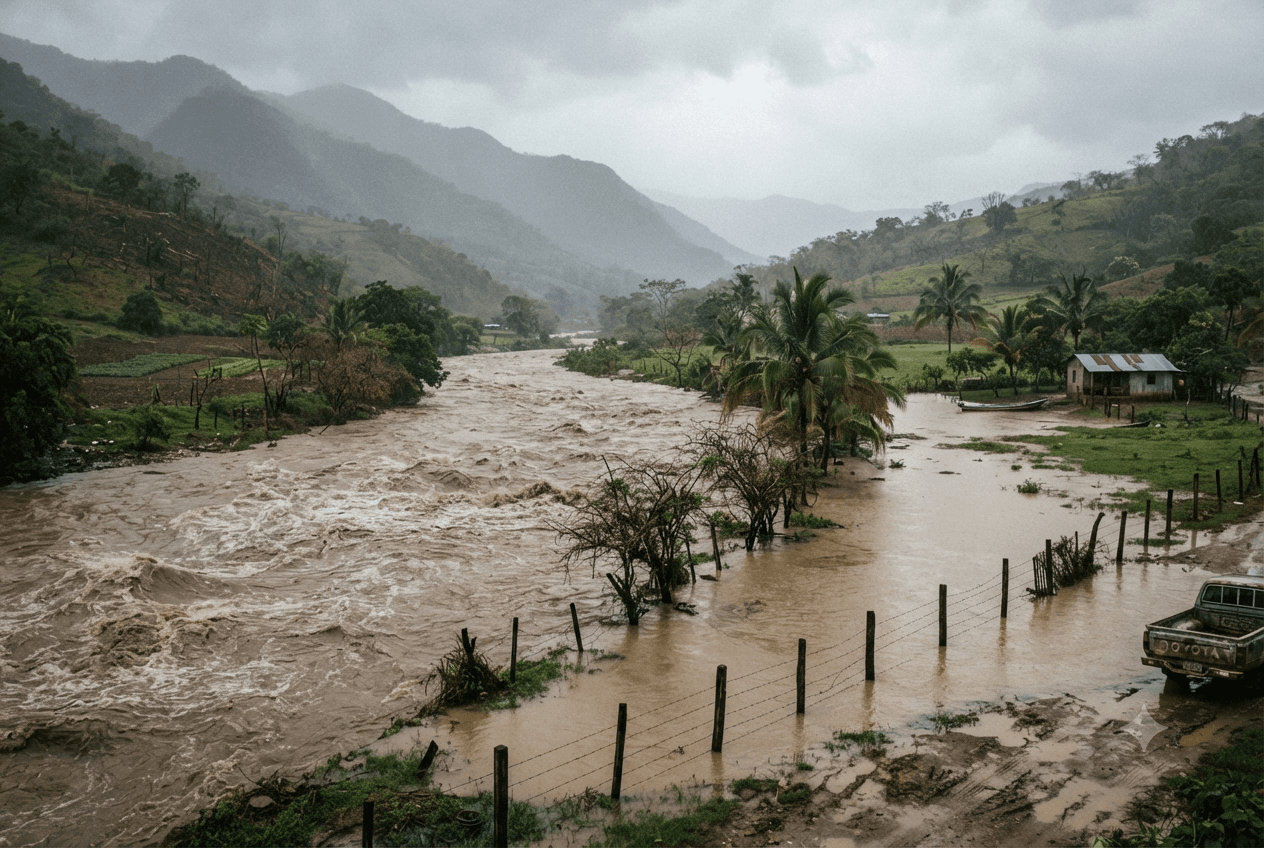
State disaster management agencies confirmed that 715,000 residents living in low-risk coastal and flood-prone areas were successfully evacuated before landfall. Five casualties were formally reported across the region due to falling masonry, structural collapses, and sudden flash flooding. Emergency rescue teams deployed armored amphibious vehicles to evacuate stranded motorists from flooded underpasses and coastal roads. Regional airports canceled hundreds of commercial flights while high-speed railway networks suspended all operations across the affected provinces.
Power grid operators reported extensive blackouts affecting more than a million households as fallen transmission towers cut electrical service. Municipal sanitation crews worked through dangerous wind conditions to clear uprooted banyan trees blocking primary urban arteries. Central government ministries allocated emergency disaster relief funds to support provincial reconstruction efforts and housing repairs. Insurance adjusters established mobile processing units to field early property damage claims from local commercial enterprises.
Coastal sea walls withstood initial storm surges, though localized flooding inundated underground parking garages and basement shopping arcades. Harbor patrols monitored commercial shipping lanes to ensure no container vessels broke away from their secure moorings. Environmental protection officers deployed containment booms around coastal industrial parks to prevent chemical runoff from damaged storage facilities.
Meteorological telemetry indicated that Typhoon Noul was gradually weakening into a tropical depression while moving inland toward neighboring mountain provinces. Emergency response commanders maintained strict travel restrictions across urban sectors while structural engineers inspected bridge safety.
Relief teams prepared to distribute bottled water and emergency rations to temporary shelters housing hundreds of displaced families. Civil defense patrols continued sweeping coastal embankments as high-tide cycles approached.
Note: This article was published on BanxChange.com and is powered by the BXE Token on the XRP Ledger. For the latest articles and news, please visit BanxChange.com