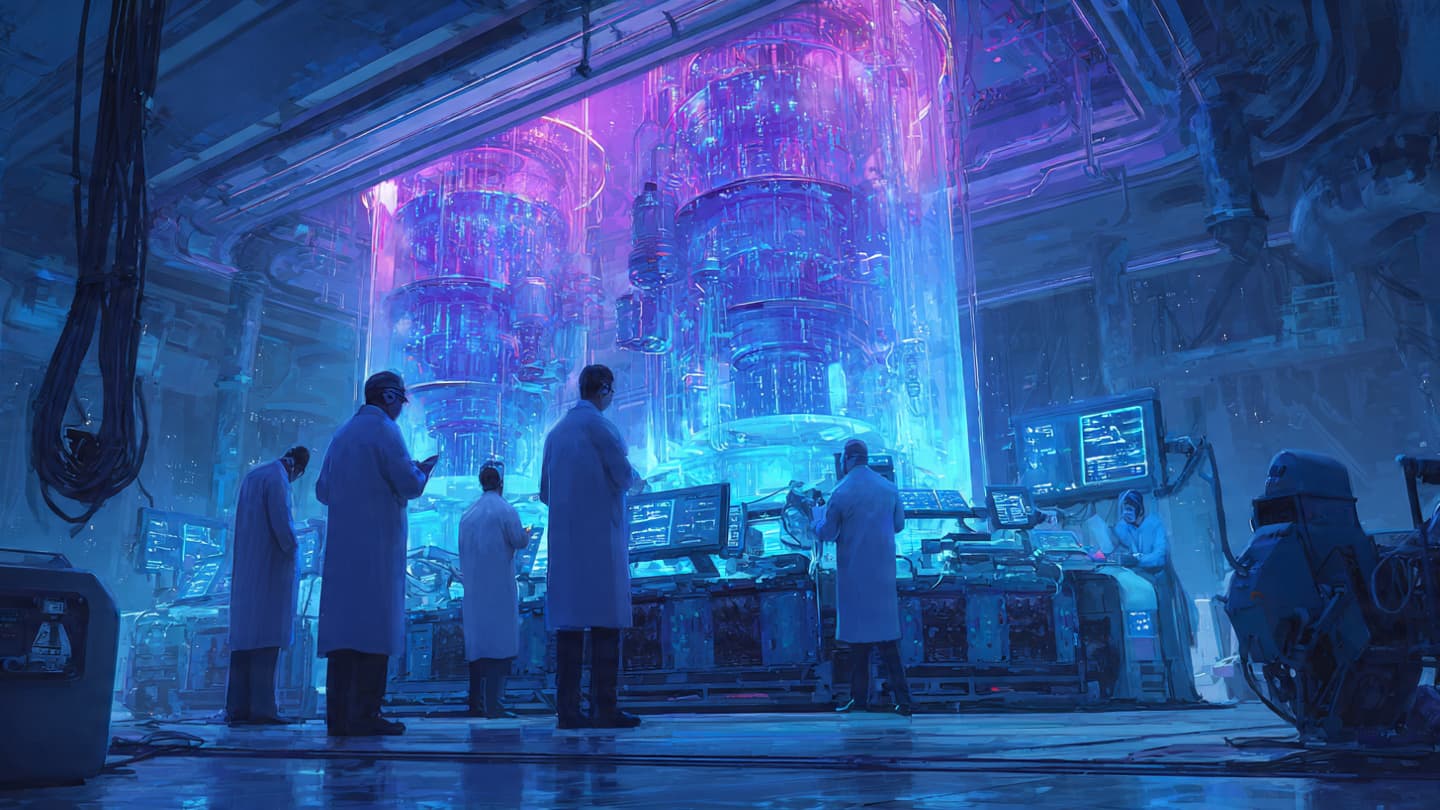
Scientific progress rarely unfolds in isolation. Advances in one field often influence discoveries in another, creating unexpected connections between technology, medicine, and human understanding. As researchers look toward the coming years, two areas in particular—quantum computing and mRNA therapy—are increasingly viewed as potential breakthroughs capable of reshaping multiple industries during 2026 and beyond.
Quantum computing has attracted growing attention because of its radically different approach to processing information. Unlike classical computers that rely on binary bits, quantum systems use quantum bits, or qubits, which can exist in multiple states simultaneously. Scientists believe this capability may eventually allow certain calculations to be performed far faster than today’s most powerful supercomputers.
Technology companies, universities, and governments have invested billions of dollars into quantum research over the past decade. Potential applications range from climate modeling and advanced materials science to cybersecurity and pharmaceutical development. While fully practical large-scale quantum computers remain under development, recent progress has strengthened confidence within the scientific community.
At the same time, mRNA-based therapies continue expanding beyond the vaccines that gained worldwide attention during the COVID-19 pandemic. Researchers are now exploring how messenger RNA technology might be used to treat cancers, genetic disorders, and infectious diseases by instructing cells to produce targeted proteins inside the body.
Medical specialists describe mRNA as one of the most flexible platforms in modern biotechnology. Because therapies can be adapted relatively quickly, scientists hope the technology may eventually allow faster responses to emerging diseases and more personalized forms of treatment. Clinical trials involving several experimental therapies are already underway internationally.
The simultaneous rise of quantum computing and mRNA research reflects broader changes in scientific collaboration. Advanced computing increasingly supports medical research, while biological challenges drive demand for greater computational power. Some experts believe future intersections between these fields could accelerate discoveries in drug design and molecular simulation.
Despite the excitement surrounding both technologies, researchers caution that significant challenges remain. Quantum systems still face technical difficulties involving stability, error correction, and scalability. Meanwhile, mRNA therapies require continued study regarding long-term effectiveness, manufacturing capacity, and accessibility across different healthcare systems.
Governments and private companies continue competing to secure leadership positions in these emerging industries. Economic analysts note that countries investing early in advanced computing and biotechnology may gain strategic advantages in innovation, healthcare, and industrial development during the coming decades.
For now, the anticipation surrounding 2026 reflects cautious optimism rather than certainty. Scientific breakthroughs often progress gradually before suddenly becoming transformative. Whether through revolutionary computing systems or new forms of medicine, researchers believe the coming years may bring developments that reshape how humanity solves problems once considered beyond reach.
AI Image Disclaimer: Several visuals associated with this article were generated using AI-assisted illustration tools for editorial purposes.
Sources: Nature, Reuters, MIT Technology Review, Science Magazine, The Lancet
Published by Banx Network. This article is part of the Banx decentralized media programme, powered by the BXE token on the XRP Ledger.