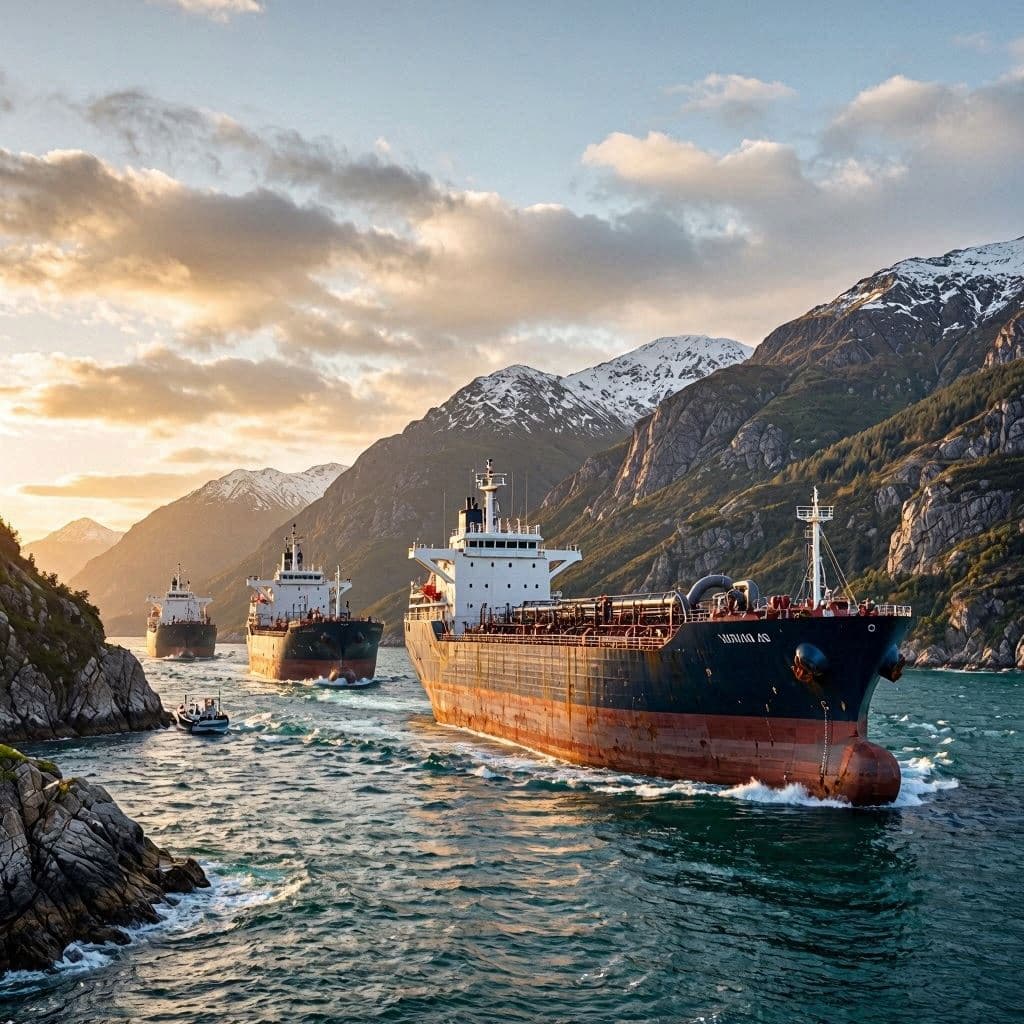
The Strait of Hormuz is more than a narrow waterway; it is the arterial pulse of the global energy system, carrying a significant portion of the world’s oil and liquefied natural gas. When this vital channel faces the threat of blockade, the shockwaves are felt most acutely in East Asia, particularly in Japan and South Korea. Both nations, heavily reliant on imported energy, find themselves at the mercy of geopolitical tides far beyond their control. Yet, their responses to this crisis reveal distinct national philosophies, strategic priorities, and historical contexts. This divergence invites reflection on how countries navigate vulnerability, balancing immediate survival with long-term resilience in an interconnected world.
Body: Japan’s response has been characterized by a blend of diplomatic caution and strategic stockpiling. With a history shaped by the oil shocks of the 1970s, Tokyo has maintained robust emergency reserves and diversified its energy sources over decades. In the face of the current blockade, Japan has prioritized quiet diplomacy, engaging with regional powers to ensure the safe passage of its tankers. The approach is understated, reflecting a cultural preference for stability and consensus. By leveraging its economic influence and maintaining neutral stances where possible, Japan seeks to minimize disruption without escalating tensions.
South Korea, meanwhile, has adopted a more vocal and proactive stance. Facing a potentially sharper immediate impact due to its heavy industrial base and limited domestic resources, Seoul has called for international coalition building to secure the strait. The government has emphasized the need for collective security, aligning closely with allied nations to deter aggression. This approach reflects a sense of urgency and a willingness to take a more visible role in global affairs. For South Korea, the crisis is not just an economic challenge but a test of its emerging status as a middle power.
The differences in response also stem from varying energy mixes. Japan has made significant strides in nuclear reactivation and renewable integration, providing a buffer against fossil fuel volatility. South Korea, while investing in green technology, remains more dependent on imported crude for its manufacturing sector. This structural difference influences the intensity of their respective crises and the speed of their policy adjustments. It highlights how domestic infrastructure shapes foreign policy decisions.
Public sentiment in both nations plays a crucial role. In Japan, there is a strong expectation of government competence and preparedness, leading to calm acceptance of rationing or price adjustments if necessary. In South Korea, public pressure for decisive action is higher, driven by a dynamic democratic environment where leaders are held accountable for immediate outcomes. These domestic dynamics constrain and guide leadership choices, adding layers of complexity to crisis management.
Economically, both countries face inflationary pressures and supply chain disruptions. However, Japan’s larger financial reserves allow for more substantial subsidies to shield consumers from price spikes. South Korea, with a tighter fiscal margin, has focused on supporting key industries to prevent broader economic contraction. These targeted interventions reflect different social contracts and priorities in times of scarcity.
The geopolitical implications extend beyond the two nations. Their divergent approaches influence regional stability and global market confidence. Japan’s steadiness offers a anchor of predictability, while South Korea’s activism signals a shift in alliance dynamics. Together, they represent two models of resilience: one rooted in patience and preparation, the other in engagement and assertion.
As the situation evolves, both countries continue to adapt. Lessons learned from this crisis will likely shape future energy policies, accelerating the transition to renewables and enhancing regional cooperation. The blockade serves as a stark reminder of the fragility of global supply chains and the need for diversified strategies.
Closing: In the end, the differing responses of Japan and South Korea to the Hormuz blockade highlight the complexity of energy security. Each nation draws on its unique strengths and histories to navigate the crisis. As the world watches, their experiences offer valuable insights into how democracies can withstand external shocks while preserving stability and prosperity.
AI Image Disclaimer: Please note that any accompanying visuals for this narrative are artificially generated interpretations meant to evoke the spirit of the story, not documentary evidence.
Sources: Carnegie Endowment for International Peace CSIS (Center for Strategic and International Studies) Zero Carbon Analytics
Published by Banx Network. This article is part of the Banx decentralized media programme, powered by the BXE token on the XRP Ledger.