
Key Highlights
- Arrest:Turkish comedian Deniz Göktaş was arrested at Istanbul Airport.
- Charges:He faces charges for allegedly insulting President Erdoğan and religious values.
- Context:The case highlights Turkey's ongoing crackdown on free expression.
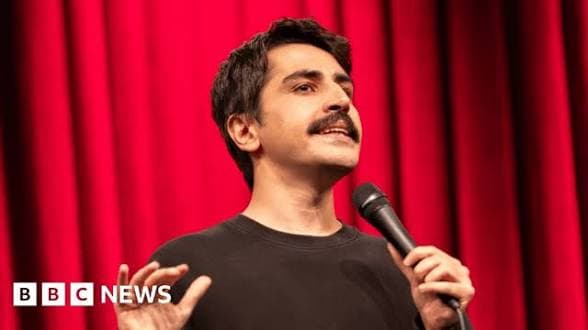
Turkish stand-up comedian Deniz Göktaş was formally arrested on July 3 after a video of his performance gained significant attention online. The arrest occurred at Istanbul’s main airport, where Göktaş was detained following complaints regarding his routine, which included references to President Recep Tayyip Erdoğan and religious themes. Prosecutors initiated legal action against him, citing that parts of his performance allegedly crossed legal boundaries.
During his interrogation, Göktaş defended his work as satire, asserting that he did not intend to insult religious values or demean the president. Despite his explanations, the authorities moved forward with the case, reflecting a broader trend in Turkey where dissent and free expression are increasingly under scrutiny. The court's decision to detain Göktaş pending trial has drawn attention from supporters who gathered outside the courthouse, expressing their concerns over the implications for artistic freedom in the country.
The legal proceedings against Göktaş are emblematic of a larger crackdown on dissent in Turkey, particularly against those who criticize the government or its leaders. This incident is not isolated; it fits into a pattern of arrests and legal actions against artists, journalists, and activists who challenge the status quo. Critics argue that such actions stifle free speech and create a climate of fear among those who wish to express dissenting opinions.
Supporters of Göktaş have rallied around him, emphasizing the importance of artistic freedom and the right to critique political figures through comedy. They argue that satire is a vital component of democratic discourse and should be protected, rather than punished. The case has sparked discussions about the limits of free expression in Turkey and the role of humor in political commentary.
As the trial approaches, many are watching closely to see how the courts will handle this case and what it might mean for the future of comedy and free speech in Turkey. The outcome could set a precedent for how similar cases are treated in the future, potentially impacting the landscape for artists and comedians across the nation.
Published by Banx Network. This article is part of the Banx decentralized media programme, powered by the BXE token on the XRP Ledger.



