Politics can sometimes resemble a river changing course after heavy rain, not through sudden collapse, but through steady pressure reshaping familiar ground. In Turkey, recent court decisions involving opposition leadership have once again stirred debate about democratic balance, institutional authority, and the future direction of the country’s political landscape.
Turkey’s main opposition figures moved to challenge a court ruling that removed several party leaders from their positions, a decision critics argue could strengthen President Recep Tayyip Erdoğan’s political influence ahead of future electoral contests. The ruling immediately intensified tensions between government supporters and opposition groups.
According to Turkish media and international reporting, the court decision affected leadership structures within opposition circles already facing internal divisions and political pressure. Opposition representatives described the move as legally questionable and pledged to pursue appeals through the judicial system.
Government officials and supporters defended the court’s actions as part of legitimate legal procedures. Authorities insisted that Turkey’s judiciary operates independently and that political interpretations of the ruling risk undermining confidence in legal institutions.
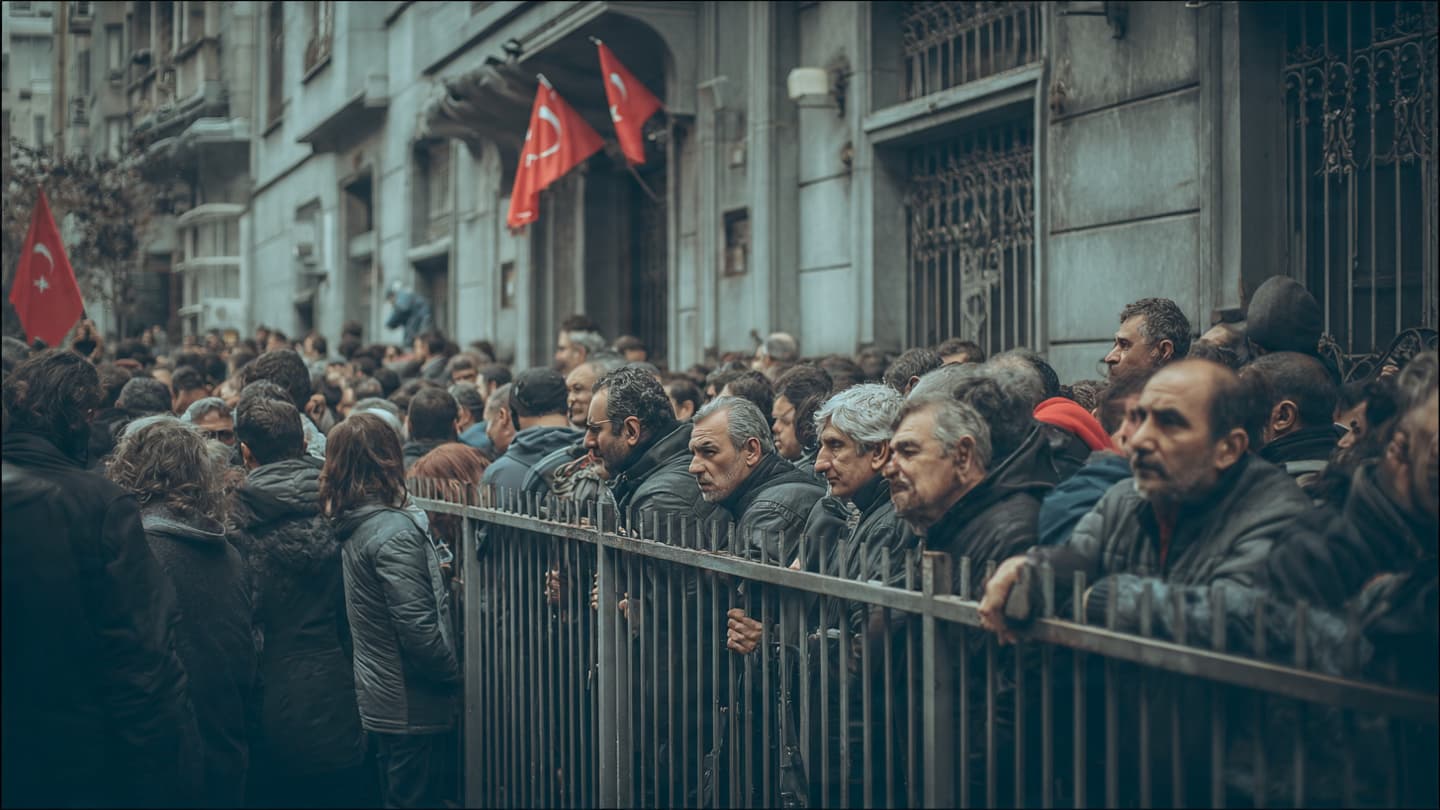
The developments triggered renewed demonstrations and public debate across several Turkish cities. Supporters of the opposition expressed concern that repeated legal interventions could weaken political competition and reduce public trust in democratic processes.
Analysts noted that Turkey has experienced years of heightened political polarization following constitutional reforms that expanded presidential powers. Court rulings involving political parties often carry broader significance due to the country’s deeply contested political environment.
International observers also followed the developments closely, with some European officials emphasizing the importance of judicial transparency and political pluralism. Turkey’s government, meanwhile, continued rejecting accusations that democratic standards are being eroded.
Financial markets reacted cautiously to the uncertainty surrounding the ruling, reflecting investor concerns over political stability and institutional predictability. Market analysts said prolonged political disputes could influence both domestic confidence and foreign investment sentiment.
For now, opposition leaders say legal and political challenges against the ruling will continue. The episode reflects how Turkey’s political future remains closely tied to debates over institutional authority, electoral competition, and public confidence in democratic processes.
AI-generated visuals are included solely for editorial illustration.
Sources: Reuters, BBC, Al Jazeera, Financial Times, Associated Press
Published by Banx Network. This article is part of the Banx decentralized media programme, powered by the BXE token on the XRP Ledger.