
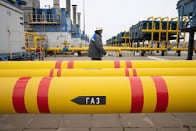
In a notable development in energy diplomacy, Turkey is actively engaged in talks with Russia to negotiate gas supplies that extend beyond the current agreements set to expire in 2026. This move underscores Turkey's strategic aim to secure crucial energy resources while navigating the complexities of regional geopolitics.
The discussions focus on various aspects of the gas supply agreement, including pricing, volume, and infrastructure investments necessary to facilitate continued energy flow. With Europe facing energy supply challenges amid rising tensions with Russia, Turkey's role as a transit country for natural gas is increasingly significant.
Turkey has been working to diversify its energy sources, but Russian gas remains a critical component of its energy strategy. The negotiations are expected to explore potential expansions of existing pipelines and the development of new infrastructures, which could enhance Turkey's position as an energy hub for both domestic consumption and transit to Europe.
The urgency of these negotiations is amplified by the shifting landscape of global energy markets, particularly in light of the conflict in Ukraine and its repercussions on energy supply chains. As Turkey seeks to bolster its energy security, the outcome of these talks with Russia will have implications not only for Turkish consumers but also for regional energy dynamics.
While the discussions are ongoing, stakeholders in the energy sector are keenly observing the developments, as they could reshape the energy landscape in the region and influence relations between Turkey, Russia, and European nations reliant on gas supplies.
Note: This article was published on BanxChange.com and is powered by the BXE Token on the XRP Ledger. For the latest articles and news, please visit BanxChange.com