Ankara, usually a bustling hub of diplomatic activity, has entered a period of heightened tension as it prepares to host the upcoming NATO summit. In the days leading up to the event, Turkish authorities have intensified restrictions on public gatherings, media coverage, and civil society activities. This crackdown, justified by officials as necessary for security, has raised concerns among human rights groups and international observers. It reflects a broader pattern of tightening control in Turkey, where national security interests often take precedence over individual freedoms.
Body: The measures include increased police presence in central districts, stricter permit requirements for protests, and temporary shutdowns of certain internet services. Authorities have cited intelligence reports suggesting potential disruptions by extremist groups as the rationale for these actions. While security is a legitimate concern for any host nation, the scale and scope of the restrictions have drawn criticism from domestic opposition parties and international allies.
Journalists and activists report difficulties in covering public events and expressing dissenting views. Several media outlets have faced pressure to self-censor, while independent reporters have encountered obstacles in accessing key locations. This environment of caution stifles open discourse, a cornerstone of democratic societies. For NATO members, many of whom value press freedom and civil liberties, this presents a diplomatic challenge as they gather in the Turkish capital.
The Turkish government maintains that these measures are temporary and proportional to the threat level. Officials emphasize their commitment to hosting a successful and safe summit, highlighting the economic and strategic benefits for the country. They argue that maintaining order is essential for facilitating high-level discussions on defense and security policy. However, critics contend that the definition of "security" has been expanded to suppress legitimate political expression.
Human rights organizations, including Amnesty International and Human Rights Watch, have issued statements calling for restraint. They urge Turkish authorities to respect the right to peaceful assembly and free speech, even during high-profile international events. These groups warn that excessive crackdowns can damage Turkey’s reputation and strain relations with its NATO partners. The balance between security and liberty is delicate, and tipping too far in one direction can have lasting consequences.
For ordinary citizens, the atmosphere is one of apprehension. Many avoid public spaces or limit their social interactions to avoid scrutiny. The psychological impact of such restrictions extends beyond the immediate period of the summit, creating a climate of fear and uncertainty. This subtle shift in public life affects the social fabric, eroding trust between the state and its citizens.
Internationally, NATO leaders are likely to address these issues privately during bilateral meetings. While public condemnation may be muted to preserve alliance unity, behind closed doors, concerns about democratic backsliding in member states are frequently discussed. The summit provides an opportunity for dialogue, but also a test of the alliance’s ability to uphold shared values amidst divergent national practices.
As the summit approaches, the eyes of the world are on Ankara. The outcome of these tensions will influence not only the immediate proceedings but also the long-term relationship between Turkey and its allies. The challenge lies in ensuring security without compromising the fundamental principles that bind the NATO community together.
Closing: Turkey’s intensified restrictions on public life ahead of the NATO summit in Ankara have sparked debate over security versus civil liberties. While authorities cite safety concerns, critics warn of the impact on democracy and human rights. The summit will test the alliance’s ability to navigate these complex internal dynamics.
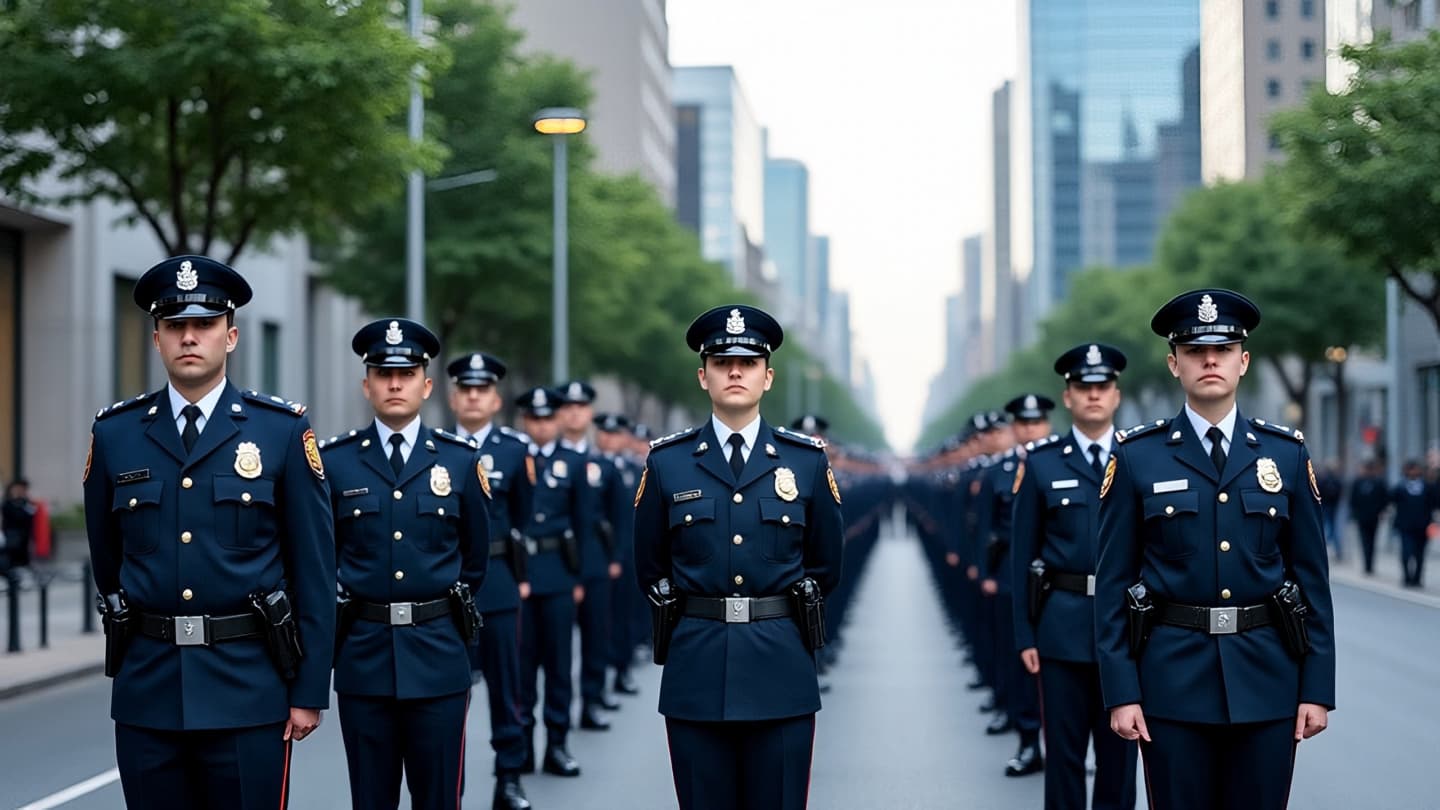
AI Image Disclaimer: The images associated with this article are AI-generated interpretations designed to visualize the context of political tension and security measures.
Sources: Reuters Al Jazeera BBC News
Published by Banx Network. This article is part of the Banx decentralized media programme, powered by the BXE token on the XRP Ledger.