
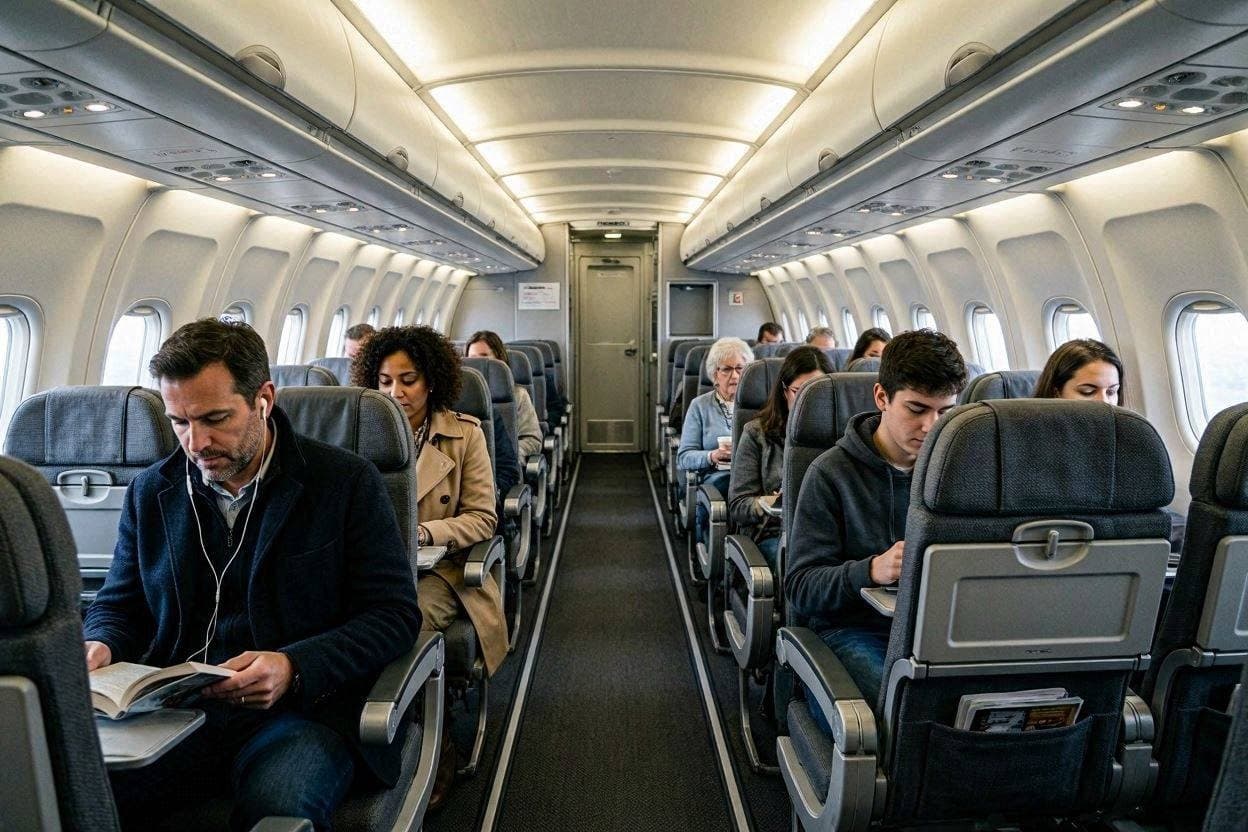
The cabin of an airplane is a unique social space, a pressurized tube where strangers are bound together by schedule and circumstance. In this confined environment, patience is often tested, and the thin veil of civility can fray under the stress of travel delays. A recent incident aboard a commercial flight has brought these tensions to the forefront, as a passenger’s public frustration with a crying child and their parents sparked a broader conversation about etiquette, empathy, and the realities of modern air travel. It is a moment that invites reflection on how we navigate shared discomfort.
Body: The incident occurred when a young child became distressed during the boarding process, leading to a delay in departure. While such occurrences are not uncommon, the reaction from a fellow passenger was particularly sharp. The individual reportedly voiced strong criticism of the parents, labeling them "incompetent" for their inability to immediately soothe the child. The comments, made loudly enough for others to hear, shifted the atmosphere from one of mild annoyance to palpable tension.
For many travelers, the sound of a crying child can be a trigger for stress, especially after long waits or difficult journeys. However, experts in child development note that young children often lack the emotional regulation to handle the sensory overload of an airport or the pressure changes of a flight. Their distress is rarely a act of defiance but rather a response to overwhelming stimuli. Understanding this biological reality can help shift the perspective from judgment to compassion.
The parents, placed in an already stressful situation, faced the added burden of public scrutiny. Parenting in public spaces is increasingly subject to observation and critique, with social media amplifying both support and condemnation. In this case, the public nature of the rebuke highlighted the vulnerability of families who are simply trying to manage a difficult moment. It raises questions about the role of bystanders in such scenarios: should they offer help, patience, or silence?
Airline staff typically intervene in such situations to mediate and ensure safety, but they often walk a fine line between accommodating distressed passengers and supporting families. The crew’s response in this instance focused on de-escalation, aiming to get the flight moving while minimizing conflict. Their role underscores the complexity of managing human dynamics in a service industry that prioritizes efficiency but must also account for human variability.
Social media reactions to the incident were mixed, reflecting broader societal divides. Some viewers supported the frustrated passenger, citing the right to a peaceful travel experience. Others defended the parents, emphasizing the challenges of raising young children and the need for community support. This division illustrates how travel incidents can become proxies for larger debates about public behavior and personal responsibility.
Ultimately, the delay was resolved, and the flight proceeded. But the emotional residue of the encounter lingered for those involved. It serves as a reminder that everyone on a plane is navigating their own set of challenges, whether visible or hidden. The child’s tears, the parents’ stress, and the passenger’s frustration are all part of the shared human experience of transit.
Closing: As the aviation industry continues to grow, so too does the need for mutual understanding among passengers. While delays are inconvenient, responding with kindness rather than condemnation can transform a tense moment into one of connection. The incident reminds us that behind every disruption is a story, and often, a little grace goes a long way.
AI Image Disclaimer: The images accompanying this article are AI-generated illustrations of airport interiors and airline cabins, designed to evoke the atmosphere of travel without depicting specific individuals.
Sources: New York Post Daily Mail Travel + Leisure CNN Travel
Note: This article was published on BanxChange.com and is powered by the BXE Token on the XRP Ledger. For the latest articles and news, please visit BanxChange.com