Key Highlights
- FATF adds Iraq and Bosnia to its grey list for increased monitoring.
- Algeria and Namibia removed after successful reforms.
- Financial institutions adjust compliance requirements based on FATF assessments.
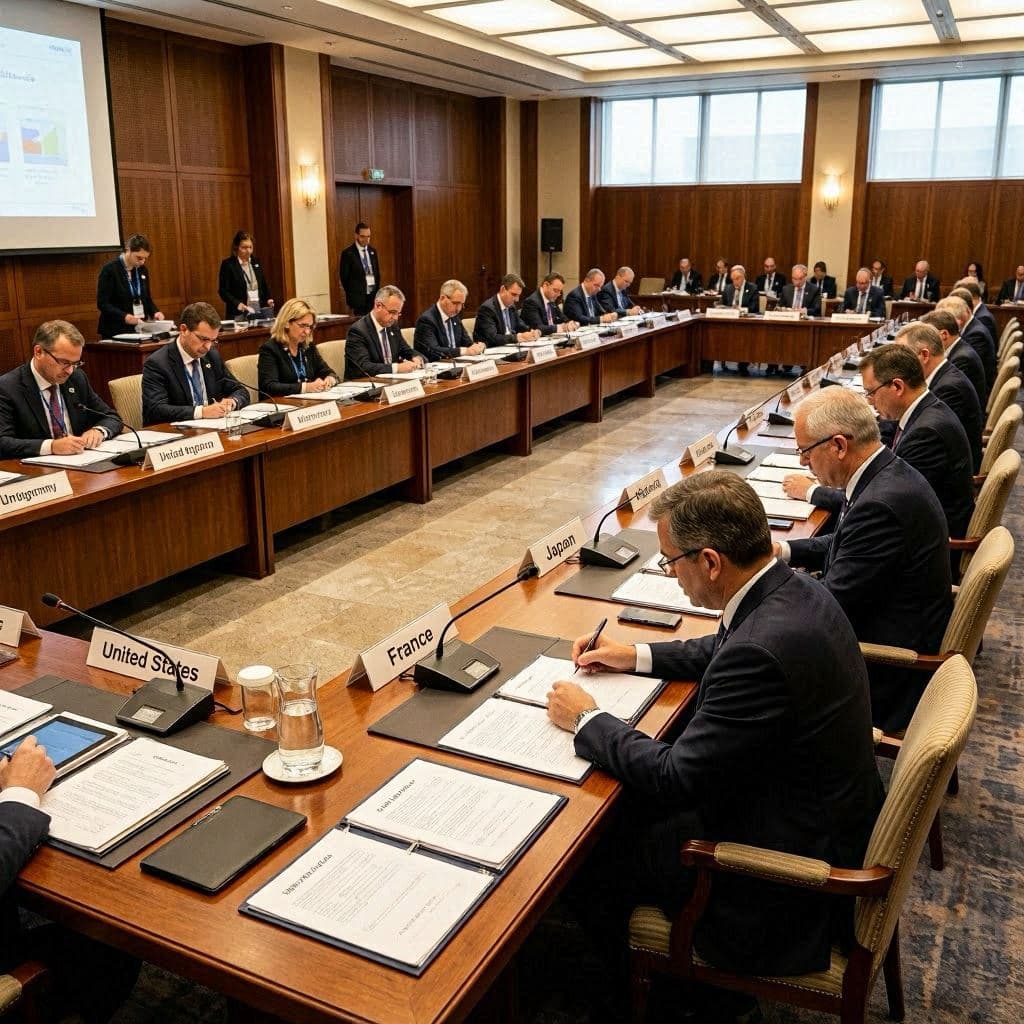
The Financial Action Task Force (FATF), an international body dedicated to combating money laundering and terrorist financing, has recently updated its grey list, adding Iraq and Bosnia and Herzegovina. This list includes jurisdictions under increased scrutiny due to deficiencies in their financial oversight frameworks. The implications of this decision are significant, as they can affect banking practices and investment decisions not only within these countries but also across the global financial landscape.
Being placed on the grey list does not equate to the imposition of international sanctions. Instead, it signifies that these jurisdictions have committed to addressing specific strategic deficiencies in their anti-money laundering (AML) and counter-terrorism financing (CTF) measures. The FATF monitors these countries to ensure they follow through on their commitments, which can lead to improved financial systems over time.
In a notable development, the FATF also announced the removal of Algeria and Namibia from the grey list. This decision came after both countries successfully completed their agreed action plans and demonstrated substantial progress through on-site evaluations. Their removal highlights the FATF's focus on measurable progress and effective implementation of reforms rather than political motivations.
The addition of Iraq and Bosnia to the grey list is expected to lead to increased compliance requirements for international financial transactions involving these countries. Financial institutions worldwide often rely on FATF assessments to gauge cross-border risks, and being on the grey list typically results in heightened scrutiny and regulatory obligations.
Officials from Iraq and Bosnia have expressed their commitment to implementing necessary reforms aimed at strengthening financial oversight, enhancing transparency, and fostering cooperation with international partners. These efforts are crucial for improving their standing in the global financial community and ensuring compliance with international standards.
Experts emphasize that the FATF regularly reviews jurisdictions based on their measurable progress. Countries can exit the grey list once they have successfully completed their reform agendas and demonstrated effective implementation through independent evaluations. This ongoing process reflects the FATF's commitment to bolstering international cooperation against financial crime while promoting long-term improvements in financial systems worldwide.
The latest decisions by the FATF underscore the organization's role in shaping global financial practices and encouraging jurisdictions to enhance their regulatory frameworks. As countries navigate the complexities of international finance, the impact of FATF's assessments will continue to resonate across borders, influencing banking practices and investment strategies.
Published by Banx Network. This article is part of the Banx decentralized media programme, powered by the BXE token on the XRP Ledger.