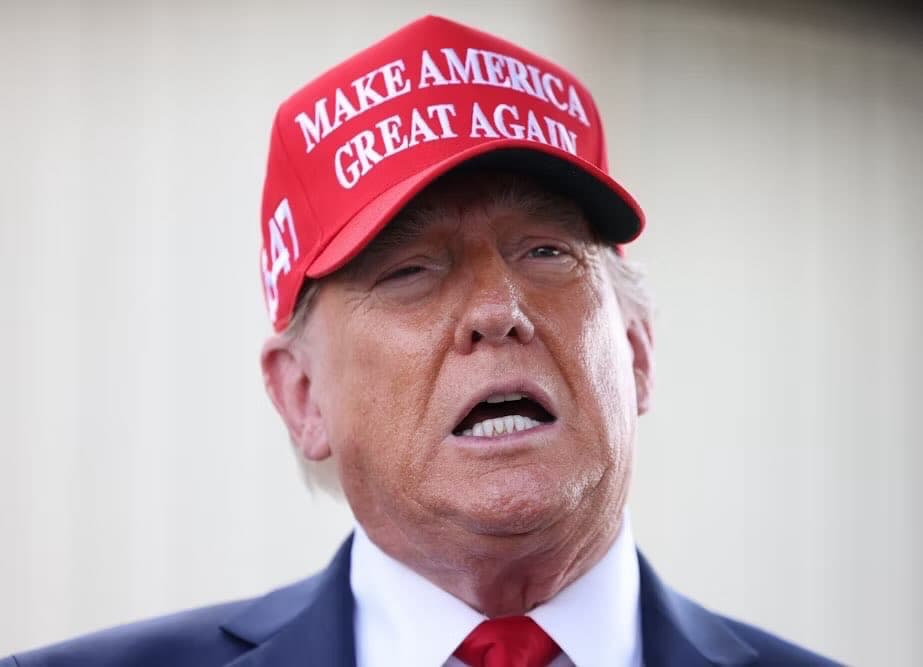
Political tensions between the United States and Iran have intensified after statements from former President Donald Trump regarding ongoing negotiations and future relations between the two countries. The comments have attracted global attention as diplomatic discussions remain a major international issue. In the statement shared online, Trump claimed that Iran was facing significant pressure and suggested that negotiations would continue under strict conditions. The remarks came during a period of uncertainty surrounding diplomatic efforts and regional security concerns. Relations between Washington and Tehran have remained complicated for years due to disagreements involving nuclear policy, sanctions, military activity, and regional influence. Any developments between the two nations can have consequences for international markets and geopolitical stability. Diplomatic discussions often involve balancing security concerns with economic and political objectives. While some leaders support negotiations as a path toward reducing tensions, others argue that stronger pressure is necessary. The comments have generated debate among observers who continue to monitor whether future talks could lead to broader agreements or further confrontation. Global markets frequently react to geopolitical developments, particularly when they involve major energy-producing regions. Uncertainty surrounding international conflicts can influence investor confidence and economic expectations. The situation remains closely watched as governments and analysts assess the potential impact of future decisions by both sides. The relationship between the United States and Iran continues to be one of the most closely monitored geopolitical issues, with diplomacy, security, and economic factors all playing important roles.
Published by Banx Network. This article is part of the Banx decentralized media programme, powered by the BXE token on the XRP Ledger.