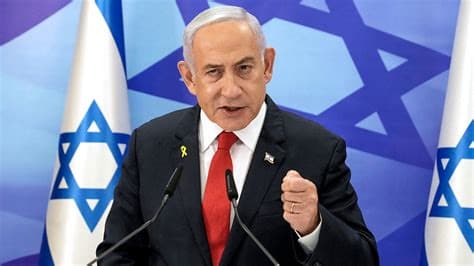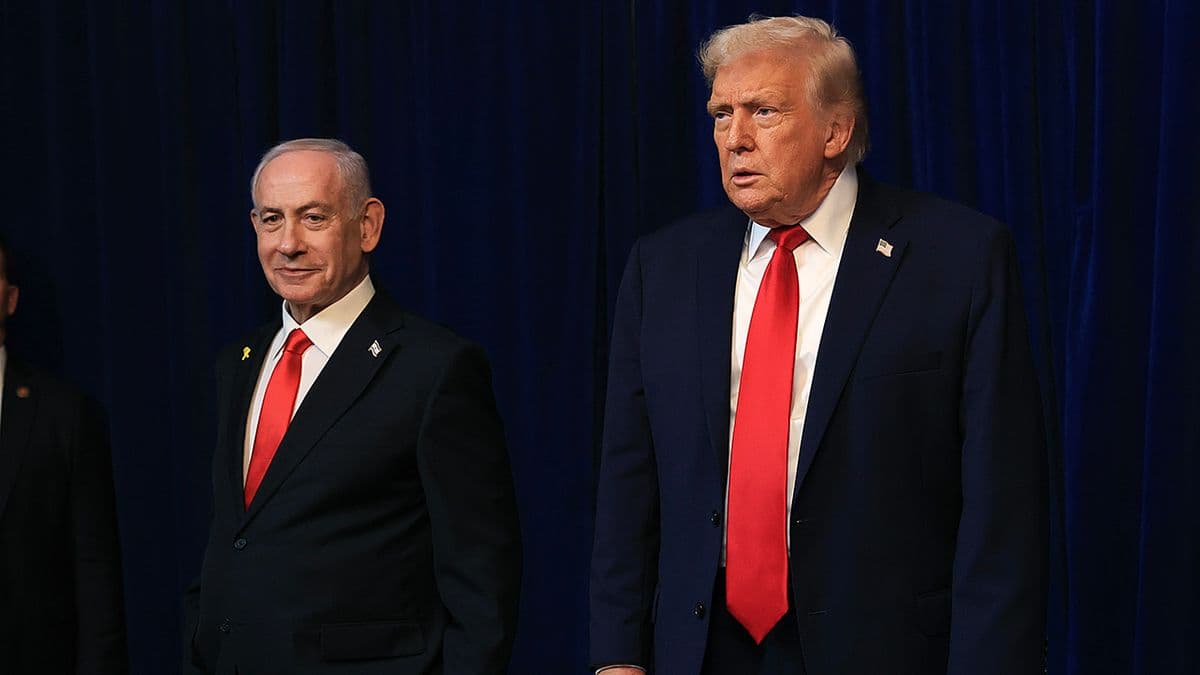
Fresh reports circulating across social media and international news platforms suggest that diplomatic efforts between the United States and Iran may be approaching a significant breakthrough. According to statements attributed to U.S. President Donald Trump, a peace agreement involving Washington and Tehran could be finalized within hours, marking a potentially historic development after years of geopolitical friction, sanctions, and military confrontations. The reports emerged as tensions remained elevated across the Middle East. Trump reportedly indicated that negotiations had made substantial progress and suggested that a formal agreement was nearing completion. At the same time, he acknowledged that ongoing military actions involving regional actors could complicate efforts to secure a lasting settlement. The comments underscored the fragile balance between diplomacy and conflict that continues to shape the region. One of the most closely watched aspects of the situation involves the role of Israel. Reports indicate that Trump personally communicated with Israeli Prime Minister Benjamin Netanyahu regarding military operations that risked escalating tensions during a critical phase of negotiations. Such direct engagement highlights Washington's desire to maintain momentum toward a diplomatic resolution while managing the security concerns of its allies. For global markets, the prospect of a U.S.-Iran agreement carries enormous implications. Energy traders have closely monitored developments due to concerns about disruptions in oil exports and shipping routes. Any reduction in tensions could improve market stability, lower geopolitical risk premiums, and support more predictable energy flows throughout the global economy. Financial markets have historically reacted strongly to major developments involving Iran, particularly when issues related to sanctions, oil production, and maritime security are involved. A successful agreement could encourage renewed investment activity, strengthen confidence in regional stability, and reduce fears of broader military conflict. Diplomatic observers caution that peace agreements are often more difficult to implement than to negotiate. Even if leaders announce a breakthrough, details regarding enforcement mechanisms, security guarantees, economic cooperation, and verification procedures remain critical. The success of any accord will depend not only on signatures but also on long-term political commitment from all parties involved. Meanwhile, governments around the world continue monitoring developments closely. European nations, Gulf states, and major economic powers all have strategic interests in the outcome of U.S.-Iran relations. Improved cooperation could reshape regional dynamics, affect energy markets, and influence future diplomatic initiatives across the Middle East. As negotiations reportedly enter their final stages, attention remains focused on official announcements and the specific terms that may emerge. Whether the agreement represents a temporary de-escalation or the foundation for a broader diplomatic transformation remains one of the most important geopolitical questions facing policymakers today.
Published by Banx Network. This article is part of the Banx decentralized media programme, powered by the BXE token on the XRP Ledger.