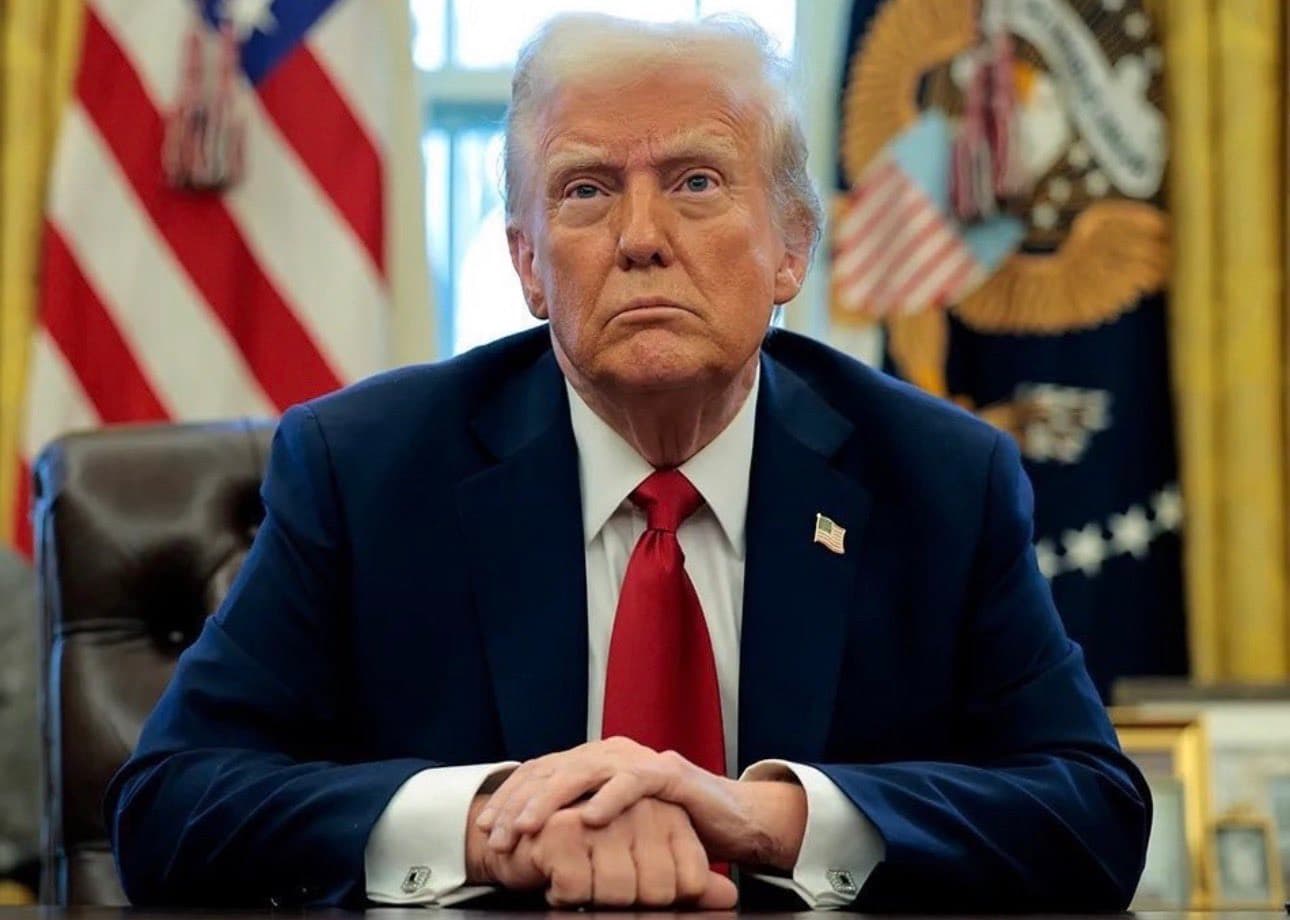
U.S. President Donald Trump has disclosed that he holds more than $100 million in cryptocurrency assets, underscoring the growing role digital currencies are playing among high-profile political figures and institutional investors. According to reports, Trump's portfolio includes major cryptocurrencies such as Bitcoin (BTC) and Ethereum (ETH), reflecting continued confidence in the long-term potential of blockchain technology despite recent market volatility. The disclosure comes at a time when cryptocurrencies remain under intense public and regulatory scrutiny. Bitcoin has experienced significant price swings over recent months, while Ethereum continues expanding its ecosystem through decentralized finance, tokenization, and smart contract applications. Despite these fluctuations, Trump's reported holdings suggest a substantial personal investment in the digital asset sector. Trump has increasingly positioned himself as supportive of the U.S. cryptocurrency industry, advocating policies aimed at encouraging blockchain innovation while criticizing overly restrictive regulation. His administration has promoted efforts to establish the United States as a global leader in digital finance, stablecoins, tokenized assets, and blockchain infrastructure. The revelation is expected to draw attention from both financial markets and political observers, particularly as cryptocurrencies become a larger topic during election campaigns and policy debates. Supporters argue that embracing blockchain technology can strengthen financial innovation, improve payment efficiency, and maintain America's competitiveness against other nations investing heavily in digital finance. Institutional participation in cryptocurrencies has expanded significantly over the past several years, with investment firms, corporations, banks, and asset managers increasing exposure through direct ownership, ETFs, and tokenized financial products. Trump's disclosure adds another prominent figure to the list of influential individuals publicly acknowledging major crypto investments. Market analysts note that while personal holdings do not necessarily indicate future government policy, they reinforce the perception that digital assets are becoming increasingly integrated into mainstream finance. Bitcoin and Ethereum remain the two largest cryptocurrencies by market capitalization and continue attracting institutional capital despite ongoing market corrections. As blockchain adoption accelerates globally, political leaders, financial institutions, and technology companies are expected to play an increasingly important role in shaping regulations and encouraging responsible innovation across the cryptocurrency industry.
Published by Banx Network. This article is part of the Banx decentralized media programme, powered by the BXE token on the XRP Ledger.