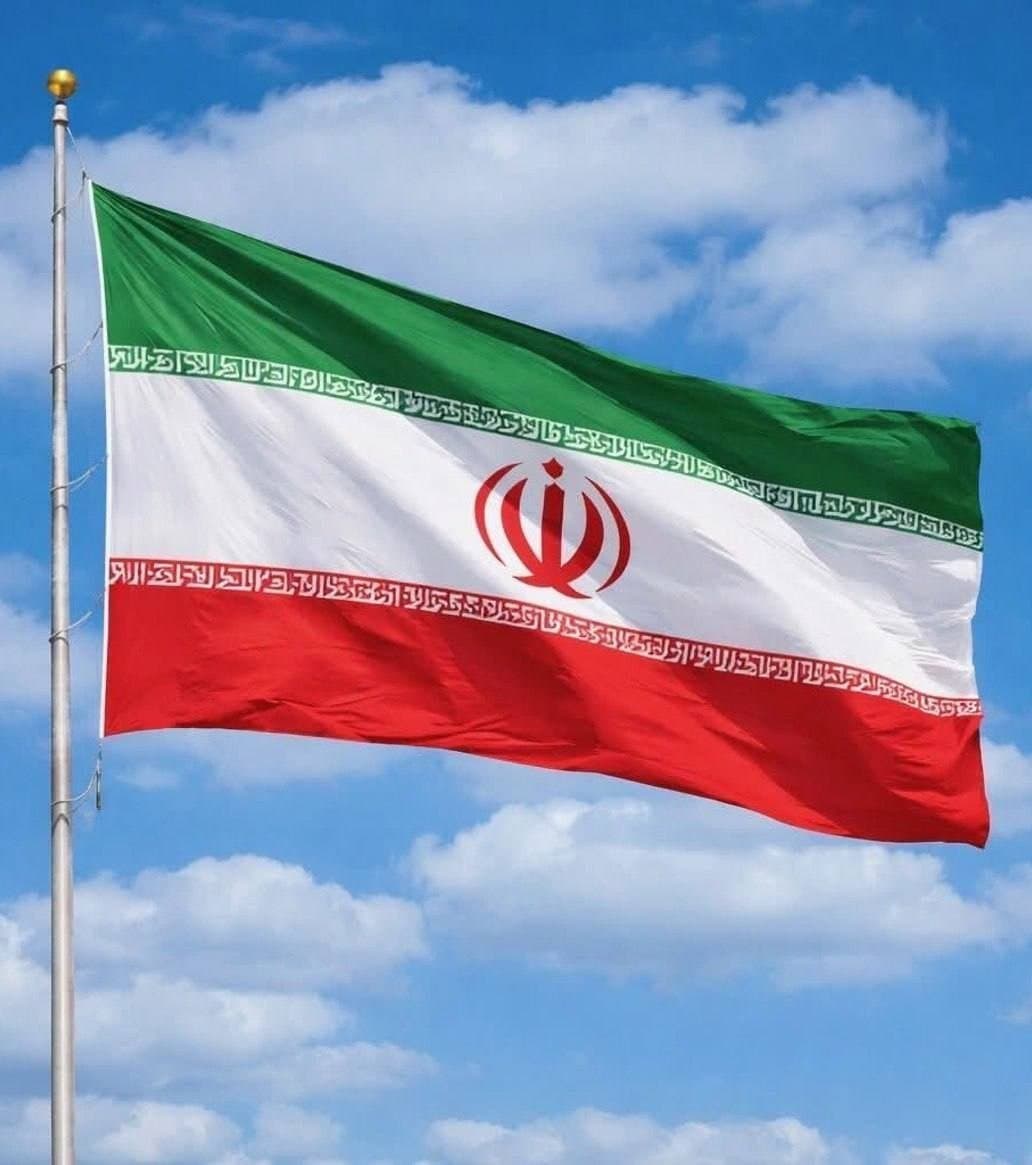
newly announced 60-day authorization concerning Iranian-origin oil has attracted significant attention from energy markets, policymakers, and international observers. The temporary measure could influence oil flows, market expectations, and diplomatic discussions at a time when global energy security remains a major concern. Energy markets are highly interconnected, meaning even limited policy adjustments can generate reactions across multiple regions. Traders closely monitor regulatory decisions because they can affect supply availability, transportation arrangements, and future investment planning. The authorization comes during a period of ongoing efforts to balance economic interests, diplomatic priorities, and energy market stability. Governments frequently face difficult choices when addressing sanctions policies because such measures can influence both geopolitical objectives and commercial activity. Supporters of temporary flexibility argue that carefully structured authorizations can help stabilize markets and prevent unnecessary disruptions. By allowing specific transactions under defined conditions, policymakers may seek to reduce uncertainty while maintaining broader strategic goals. Critics contend that any easing of restrictions could weaken pressure intended to influence policy behavior. They argue that sanctions are most effective when applied consistently and that temporary exceptions may create unintended consequences. Oil market participants are assessing the potential impact on supply levels. While a single authorization may not dramatically transform global production, expectations regarding future policy direction can influence pricing and investment decisions. Markets often respond not only to immediate changes but also to signals about longer-term possibilities. The global energy landscape has become increasingly complex in recent years. Producers, refiners, traders, and governments must navigate evolving regulations, shifting demand patterns, technological developments, and geopolitical uncertainties. Decisions involving major producers therefore attract widespread attention. Energy security remains a priority for many countries. Reliable access to fuel supports economic activity, transportation networks, industrial production, and national defense capabilities. Policymakers often seek to balance affordability, reliability, and strategic considerations when evaluating energy-related measures. Financial markets also monitor developments closely. Changes in energy policy can affect commodity prices, corporate earnings, inflation expectations, and broader economic forecasts. Investors therefore pay careful attention to announcements involving major oil-producing regions. Diplomatic implications are equally important. Energy policies frequently intersect with broader foreign policy objectives, creating situations where economic and strategic considerations must be weighed simultaneously. Temporary authorizations can sometimes serve as part of larger negotiation frameworks. As the 60-day period unfolds, analysts will continue evaluating its effects on market conditions and international relations. While the long-term implications remain uncertain, the announcement underscores the continuing importance of energy policy in shaping economic and geopolitical outcomes.
Published by Banx Network. This article is part of the Banx decentralized media programme, powered by the BXE token on the XRP Ledger.